



RWE AG (Xetra: RWE), Germany’s largest power producer, has agreed to buy another 3% of M31, the investment consortium that owns 74.9% of electricity transmission operator Amprion. The transaction will lift RWE’s effective economic interest in Amprion from approximately 55% to around 58% and make RWE the majority shareholder of M31, deepening a grid-infrastructure strategy that only months earlier involved a €3.6 billion acquisition of indirect Amprion interests. Amprion will remain an operationally independent transmission system operator because German unbundling rules separate grid control from electricity generation.
The additional purchase looks small beside the earlier €3.6 billion transaction, but strategically it reinforces a significant portfolio change. RWE now describes regulated grid infrastructure as a third major investment pillar alongside renewable energy and flexible power generation, giving the company increasing exposure to the infrastructure required to connect Germany’s changing electricity system.
Why has RWE made Amprion such an important part of its portfolio?
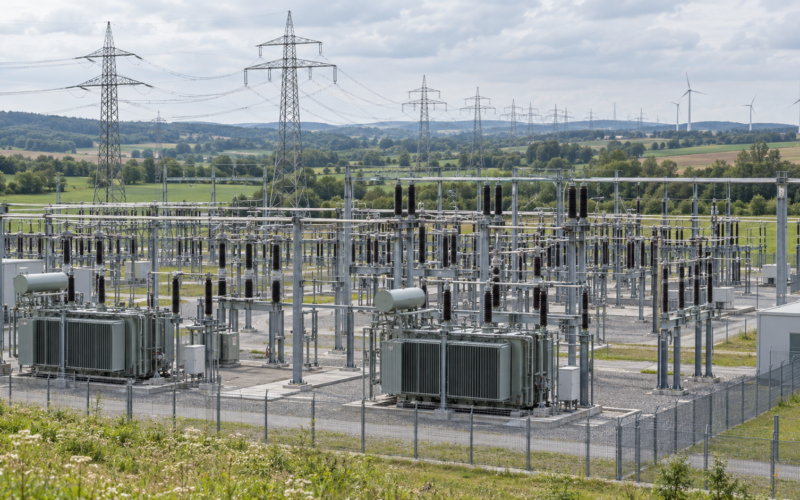
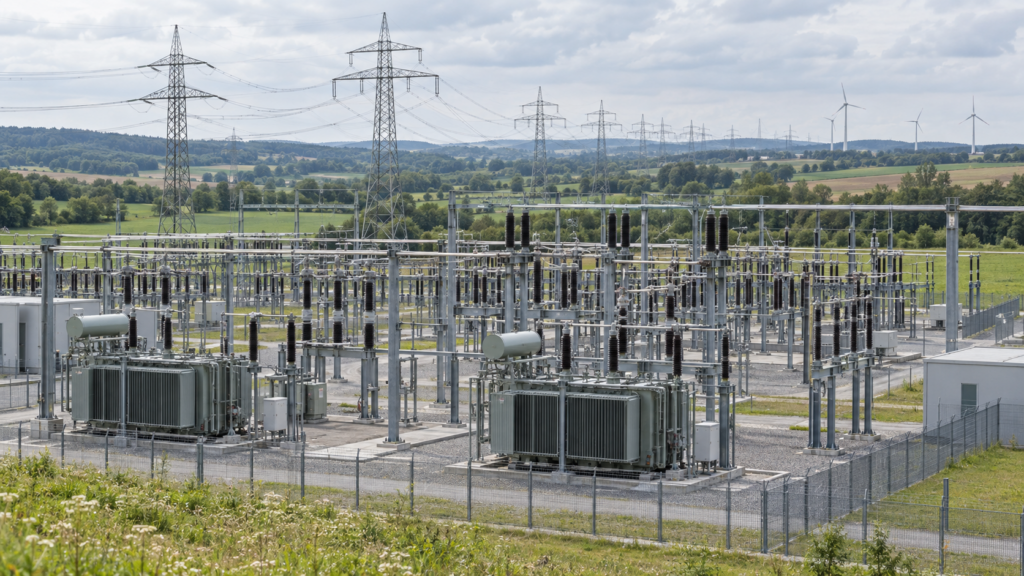
Amprion operates approximately 11,000 kilometres of extra-high-voltage transmission network serving around 29 million people across some of Germany’s most industrialised regions, from the North Sea toward southern Germany. Electricity grids are becoming increasingly valuable because renewable projects produce little economic benefit if their power cannot reach factories, businesses and households.
Germany needs major transmission expansion to accommodate offshore wind, distributed renewable generation and the electrification of transport and industrial processes. Power production is increasingly shifting geographically as northern renewable resources replace fossil generation located closer to established industrial centres.
Transmission investment helps resolve that mismatch. Amprion must build additional lines and system infrastructure capable of moving large quantities of electricity across regions while preserving network stability.
For RWE, the attraction is different from owning another wind farm. Transmission businesses operate within regulated frameworks that can generate comparatively predictable returns on invested capital, potentially reducing some earnings volatility associated with commodity prices and weather-dependent power generation.
How much capital is RWE committing to Germany’s electricity grid?
RWE expects to provide approximately €6.5 billion of capital related to Amprion grid expansion through 2031. Around €2.5 billion was already associated with its earlier RWE-Apollo stake, while approximately €4 billion was added alongside the June transaction that lifted RWE’s effective holding to 55%.
That investment comes on top of RWE’s separate €35 billion programme for renewables, battery storage and flexible generation through 2031. The company therefore is not substituting transmission for renewable investment; it is trying to own more of the infrastructure surrounding the generation portfolio.
The strategy makes intuitive industrial sense. A future power system requires generation, storage, flexible backup and transmission simultaneously. Bottlenecks in any one layer can reduce the value of capital deployed elsewhere.
Grid investment can consequently act as an indirect hedge against some of the challenges facing generation developers. Even if individual wind or solar projects face pricing pressure, the physical requirement to connect growing volumes of electricity can remain substantial.
How is Amprion already contributing to RWE’s financial outlook?
RWE raised its fiscal 2026 and 2027 earnings guidance partly because the larger Amprion stake is expected to contribute additional earnings. The company now expects 2026 adjusted EBITDA between €5.75 billion and €6.35 billion, compared with previous guidance of €5.2 billion to €5.8 billion. Adjusted earnings per share are expected between €2.60 and €3.30.
First-half adjusted EBITDA reached €3.0 billion, more than 40% above the previous year, while adjusted net income increased to approximately €1.3 billion. Adjusted earnings per share rose more than 60% to €1.77.
Not all of that improvement came from Amprion. Better wind conditions, additional renewable capacity, stronger trading and a €332 million compensation payment to the Flexible Generation business contributed materially to the first-half result.
That distinction matters because investors should not treat the regulated-grid investment as responsible for all of RWE’s earnings momentum. Its value lies partly in creating another comparatively predictable source of income alongside businesses whose profitability can move more sharply with weather and commodity markets.
Why does RWE remain an equity-method investor despite owning an effective majority?
The ownership structure is deliberately indirect. M31 holds 74.9% of Amprion, while the remaining 25.1% is held by RWE Alkaios, a joint venture between RWE and Apollo Global Management. RWE’s additional M31 purchase increases its effective total exposure but does not give it ordinary operational control over the transmission network.
German energy-market rules require transmission operators to remain independent from electricity producers to prevent generators from gaining discriminatory control over grid access. RWE therefore said it will continue accounting for Amprion using the equity method even after becoming the majority shareholder of M31.
This creates an unusual combination: RWE has substantial economic exposure to the network but cannot operate it as though Amprion were another wholly controlled business division.
For shareholders, that limits potential integration synergies but protects the regulated nature of the investment. The investment case depends on Amprion’s returns and capital programme rather than operational consolidation into RWE.
Can RWE fund grids without weakening its renewables strategy?
RWE financed the earlier €3.6 billion Amprion stake purchase through a €4 billion equity raise, demonstrating that management did not want the transaction to overwhelm balance-sheet capacity. The company continues targeting leverage at the lower end of roughly 3.0 to 3.5 times while reiterating investment and dividend plans.
RWE has maintained its 2026 dividend target at €1.32 per share and expects dividends to grow approximately 10% annually through 2031. Management also targets adjusted EPS of €4.55 by 2031.
Those commitments make capital discipline important. Grid infrastructure may deliver comparatively predictable returns, but it requires very large amounts of equity over long periods before projects become fully operational.
The strategic benefit is diversification. RWE is increasingly building a portfolio spanning offshore wind, onshore renewables, storage, flexible generation, trading and regulated transmission rather than relying on one segment of the energy transition.
How is the market treating RWE’s deeper move into Amprion?
RWE shares closed at €59.92 on September 16, the day of the additional stake announcement, up from €58.28 a day earlier. They subsequently reached €60.62 on September 17 and traded around €60.36 during September 18, leaving the stock broadly firm around the transaction even as wider European markets faced pressure from rates and energy prices.
The movement cannot be attributed solely to the extra 3% M31 purchase because RWE is exposed to power prices, interest rates, renewable output and changing European energy markets. The direction nevertheless suggests investors have not rejected management’s increasing allocation toward regulated networks.
The bigger question concerns returns over the rest of the decade. RWE is effectively betting that the grid needed to connect Germany’s renewable-energy build-out can become as strategically valuable as the generation assets themselves.
That is increasingly plausible. The energy transition is discovering that building wind turbines and solar panels is comparatively easy. Building enough transmission infrastructure to move their electricity may be the harder problem.
Discover more from Business-News-Today.com
Subscribe to get the latest posts sent to your email.