



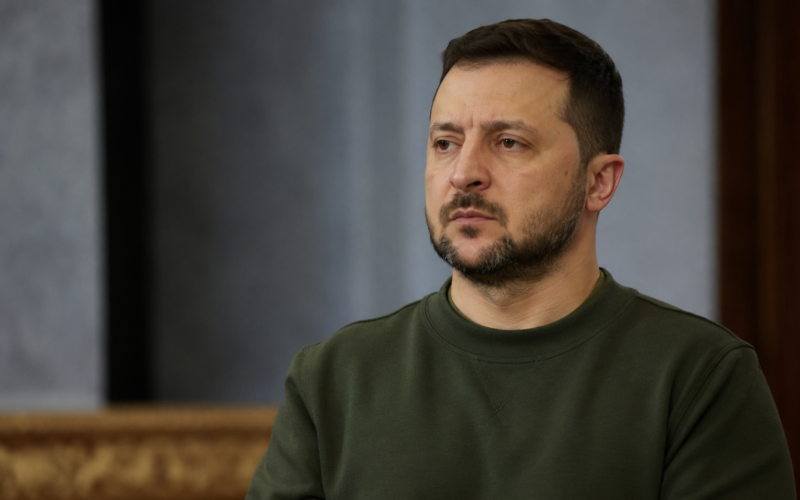
Ukraine will intensify attacks on Russian oil refineries in response to what President Volodymyr Zelenskyy describes as a new Russian strategy of expanding airstrikes against Ukrainian cities and infrastructure ahead of winter. Zelenskyy told Reuters that Ukrainian intelligence had obtained documents which, in Kyiv’s assessment, show Moscow is widening the categories of infrastructure that Russian forces can strike in an effort to put pressure on civilians and make major cities harder to inhabit.
Russia denies intentionally targeting civilians and says recent attacks are retaliation for Ukrainian strikes inside Russia. Zelenskyy said Ukraine would respond against infrastructure that supports Russia’s war effort, particularly oil refineries that generate revenue, while insisting Kyiv would not adopt a policy of indiscriminate attacks on civilian targets.
What does Zelenskyy mean by Russia’s alleged new airstrike doctrine?
Zelenskyy told Reuters that Ukrainian intelligence had obtained documents which he said permit Russian forces to attack a much wider range of infrastructure, including logistics networks, roads and other facilities affecting urban life. He argued that the strategic purpose is to increase pressure on residents of Kyiv and other cities before winter.
The documents themselves have not been released publicly in full, so Zelenskyy’s description represents Ukraine’s intelligence assessment rather than independently verified proof of a formally named Russian doctrine.
Russia provides a different explanation. Moscow says its strikes target military and war-supporting facilities and are retaliation for Ukrainian attacks on Russian territory, while denying that it intentionally targets civilians.
Why is Ukraine choosing Russian oil refineries as its principal response?
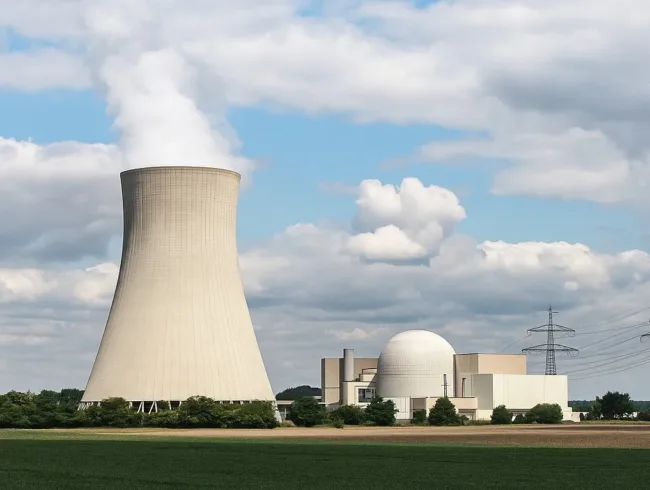
Oil revenues are crucial to the Russian economy and help support government finances during the war. Refineries also produce fuels required by the military and wider transport system, making them strategically valuable targets from Kyiv’s perspective.
Ukraine has already demonstrated that domestically produced long-range drones can reach refineries hundreds of kilometres from its borders. Zelenskyy said earlier in the year that Ukrainian forces had struck 15 Russian oil refineries between January and May.
The strategy attempts to impose economic and logistical costs without mirroring what Kyiv describes as Russian attacks on civilian infrastructure. Whether individual strikes meet that distinction depends on the target, weapon accuracy and effects around each facility.
Why has Donald Trump asked Ukraine to reduce attacks on Russian refineries?
The Trump administration is concerned that refinery disruptions can reduce global fuel supply and push oil and refined-product prices higher. Energy markets are already under pressure because of the Middle East conflict and disruption around the Strait of Hormuz.
Trump has also been trying to revive Russia-Ukraine negotiations and has argued that limiting attacks on energy infrastructure could create space for diplomacy. Ukraine has previously signalled willingness to accept reciprocal restrictions if Russia also stops attacking Ukrainian energy assets.
Zelenskyy’s latest position suggests Kyiv does not believe sufficient reciprocity currently exists. He says Russia’s expanding air campaign requires Ukraine to retain its ability to strike economic infrastructure supporting Moscow’s war.
Does this mean the proposed Russia-Ukraine energy truce is dead?
Not necessarily, but the prospects appear weaker. Ukraine previously offered to halt attacks on Russian energy and export infrastructure if Moscow agreed to comparable restrictions against Ukrainian assets.
A reciprocal agreement remains theoretically possible because both sides incur substantial economic costs from energy warfare. The problem is establishing trust, monitoring violations and agreeing on what facilities qualify as protected civilian infrastructure rather than military-supporting targets.
The new Ukrainian commitment to intensify refinery strikes demonstrates that Kyiv is not implementing a unilateral pause. Any future truce would therefore require a new agreement changing the current trajectory.
How could refinery attacks affect the global economy?
Russia remains a major producer and exporter of oil and petroleum products. Disruption at refineries can tighten diesel and gasoline markets even when crude production itself continues.
That distinction is particularly important during the current global fuel crisis. G7 governments have already committed to release emergency petroleum reserves, with diesel specifically frontloaded because refined-product availability has become a major concern.
A sustained campaign against Russian refineries could therefore have effects well beyond the battlefield. The scale would depend on which facilities are damaged, how long they remain offline and whether other refiners can compensate.
What is Russia doing differently in its own air campaign against Ukraine?
Recent Russian strikes have increasingly targeted transport infrastructure as well as electricity and urban sites. Bridges in Kyiv have been hit repeatedly, while Ukraine says jet-powered drones and ballistic missiles are creating a more difficult air-defence problem.
Moscow says such operations target infrastructure supporting Ukraine’s military effort. Ukrainian authorities argue that the pattern is designed to disrupt civilian life and increase pressure on residents during winter.
Those opposing explanations need to remain clearly attributed. The documented physical damage can be reported as fact, while claims about the strategic intention behind the strikes depend on the statements and intelligence assessments of the two sides.
What are the key takeaways from Zelenskyy’s new refinery-strike commitment?
Ukraine says it will increase attacks on Russian refineries rather than scale them back. Zelenskyy presents the policy as a response to an expanded Russian air campaign and says Ukraine will target infrastructure financing or supporting Moscow’s war rather than indiscriminately attacking civilians.
Russia disputes Ukraine’s description of its own operations and says its strikes are retaliatory and directed at legitimate targets. The existence and precise content of the Russian documents described by Zelenskyy have not been independently established publicly.
The policy also places Kyiv at odds with Washington’s desire to limit further shocks to global fuel markets. That tension could become increasingly important if Ukrainian strikes produce major disruptions at Russian refineries.
What could change the trajectory of the escalating Russia-Ukraine energy war?
A verified reciprocal agreement protecting energy facilities would be the clearest off-ramp. Both countries have reasons to preserve infrastructure, but neither currently trusts the other sufficiently to stop first.
Improved Ukrainian air defence could also reduce Moscow’s leverage by making attacks less effective, while stronger protection around Russian refineries could change the economics of Ukraine’s campaign.
Without such changes, both sides appear prepared to continue using infrastructure strikes as a form of strategic pressure. The result could be a winter in which the air war becomes increasingly important to the overall direction of the conflict even when front lines move comparatively slowly.
Discover more from Business-News-Today.com
Subscribe to get the latest posts sent to your email.