NRx Pharmaceuticals, Inc. (Nasdaq: NRXP) has secured a major regulatory victory after the U.S. Food and Drug Administration approved its preservative-free ketamine injection, clearing the way for the biotechnology company to introduce a domestically manufactured product into a market affected by persistent drug shortages. The approval, granted ahead of the FDA’s November 10 regulatory deadline, represents an important step in the company’s transition toward commercial pharmaceutical operations and could create a new revenue opportunity alongside its investigational depression treatment portfolio.
The development also highlights NRx Pharmaceuticals’ strategy of combining established pharmaceutical products with modern manufacturing technologies to address weaknesses in the United States’ sterile injectable supply chain. Through its partnership with Nephron Pharmaceuticals, the company is seeking to establish a scalable domestic production model that could improve access to ketamine while supporting its broader commercial ambitions.
The regulatory milestone comes at a particularly important time for NRx Pharmaceuticals, which has been investing in manufacturing readiness, expanding its clinical development programs and strengthening its financial position. For investors, the approval removes a significant regulatory obstacle, although the company’s ability to generate sustainable revenue will depend on commercial distribution, production economics and market adoption.
Why NRx Pharmaceuticals’ FDA approval of preservative-free ketamine could unlock a new commercial opportunity
The FDA approved NRx Pharmaceuticals’ Abbreviated New Drug Application for preservative-free ketamine injection, allowing the company to proceed toward commercial distribution in the United States. Unlike its investigational psychiatric medicines, this product is intended to enter an established pharmaceutical market where injectable ketamine has been used for decades, primarily in anesthesia.
Ketamine injection has experienced recurring supply shortages since 2018, with manufacturing disruptions and discontinued products contributing to availability concerns. These conditions create an opportunity for additional approved manufacturers capable of providing dependable commercial supply to hospitals, clinics and healthcare distribution networks.
NRx Pharmaceuticals has positioned its preservative-free formulation as an alternative to conventional ketamine products containing benzethonium chloride. The company has raised concerns about the preservative’s toxicological characteristics and has pursued regulatory discussions regarding its continued inclusion in certain injectable formulations.
The newly approved product eliminates benzethonium chloride, potentially creating differentiation in a market where purchasing decisions are influenced by formulation characteristics, product availability and institutional procurement requirements. However, the formulation change does not establish superior clinical outcomes compared with existing approved ketamine products.
NRx Pharmaceuticals Chairman and Chief Executive Officer Jonathan Javitt indicated that the company intends to supply its preservative-free ketamine to American hospitals and clinics while helping address longstanding shortages. Management also emphasized the significance of demonstrating that established injectable medicines can be manufactured competitively in the United States using modern production technology.
An important element of the approval is its timing. The decision arrived before the November 10 goal date under the Generic Drug User Fee Amendments framework, allowing NRx Pharmaceuticals to move forward with commercialization preparations earlier than anticipated.
The company has indicated that manufactured commercial supply is already available, providing a foundation for product labeling and initial distribution activities. The actual timing and scale of sales will depend on inventory availability, distribution agreements, customer purchasing decisions and completion of applicable commercial requirements.
The approval is particularly significant because it offers a potential pathway toward revenue generation without requiring the lengthy development process associated with an entirely new drug. Nevertheless, regulatory authorization alone does not guarantee market share, profitability or a successful product launch.
For NRx Pharmaceuticals, the next challenge will be converting an approved pharmaceutical product into a dependable commercial business capable of supporting broader corporate operations.
How NRx Pharmaceuticals and Nephron Pharmaceuticals are using domestic manufacturing to address injectable drug shortages
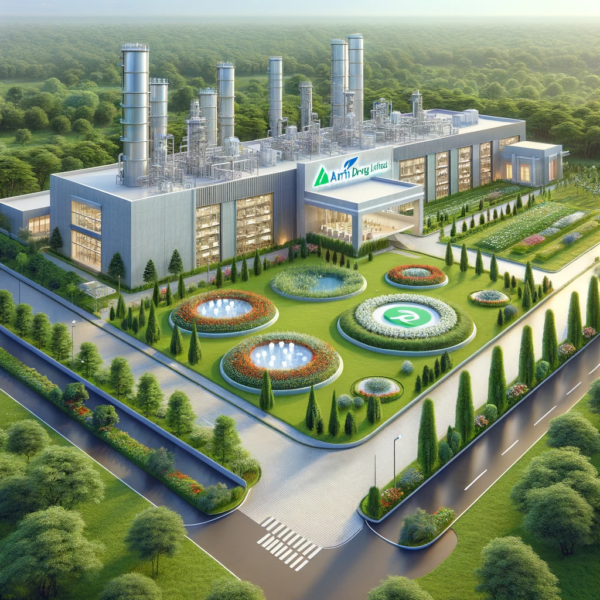
NRx Pharmaceuticals’ manufacturing partnership with Nephron Pharmaceuticals in West Columbia, South Carolina, is central to its commercial strategy. The companies are using blow-fill-seal technology to produce preservative-free ketamine, representing an alternative to conventional manufacturing processes that rely on traditional glass containers and more labor-intensive production methods.
Blow-fill-seal technology integrates container formation, filling and sealing into a largely automated manufacturing process. This approach can reduce certain handling requirements and support efficient high-volume production when properly validated and operated under pharmaceutical manufacturing standards.
The partnership reflects a broader industry effort to strengthen domestic pharmaceutical manufacturing capacity as healthcare providers and policymakers examine the risks associated with concentrated international supply chains. Sterile injectable medicines are particularly vulnerable to shortages because production requires specialized facilities, stringent quality controls and reliable access to manufacturing inputs.
NRx Pharmaceuticals believes the adoption of modern production technology could improve the economics of manufacturing older injectable medicines in the United States. Historically, low margins and high production costs have made some generic injectable products commercially challenging to manufacture domestically.
The company had already completed three commercial-scale process validation lots before receiving FDA approval. These manufacturing runs were conducted under applicable Good Manufacturing Practice requirements and were intended to demonstrate production readiness ahead of commercial distribution.
NRx Pharmaceuticals also reported stability data supporting two years of product stability, strengthening the operational case for the formulation. Longer shelf life can be commercially relevant for injectable medicines because inventory management, hospital purchasing patterns and distribution logistics affect product availability and supply-chain efficiency.
Management previously outlined plans to build launch inventory toward approximately five million doses during 2026. That target provides an indication of the intended commercial scale, although it should not be interpreted as confirmed sales volume or guaranteed manufacturing output.
A successful launch could demonstrate the commercial feasibility of using modern domestic manufacturing technology for established injectable drugs. Such an outcome might support future opportunities involving additional products, although NRx Pharmaceuticals has not established that its ketamine manufacturing model will necessarily be replicated across a broader portfolio.
Commercial success will depend on more than manufacturing capacity. The company must establish competitive pricing, maintain reliable production quality, secure distribution relationships and demonstrate that healthcare customers are willing to adopt the newly approved formulation.
The shortage environment could support initial demand, but competing manufacturers, procurement contracts and reimbursement considerations will influence the eventual revenue opportunity. NRx Pharmaceuticals has not disclosed sufficient commercial pricing or margin information to establish the potential profitability of the product.
What NRx Pharmaceuticals’ financial position reveals about its ability to support ketamine commercialization and future growth
The FDA approval arrives after NRx Pharmaceuticals strengthened its balance sheet through capital raising and continued investment in its commercial infrastructure. The company reported approximately $26.7 million in cash and cash equivalents at the end of June 2026, compared with $7.8 million at the end of December 2025.
The improvement was primarily associated with a public offering of common stock that generated more than $22 million in gross proceeds. The additional capital provided resources to support manufacturing preparation, clinical development and the expansion of business operations.
However, NRx Pharmaceuticals continues to operate with substantial development expenditure. During the first six months of 2026, the company reported a net operating loss of $11.3 million, compared with $7.6 million during the corresponding period of 2025.
The increase reflected additional research and development expenditure and higher selling, general and administrative costs, including investments associated with preparations for commercial operations. These expenditures demonstrate the financial requirements of simultaneously developing investigational medicines and establishing a new pharmaceutical product business.
NRx Pharmaceuticals reported a six-month net loss of approximately $18 million, compared with $23.1 million in the previous year. The improvement in the reported net loss was influenced partly by accounting-related factors, making operating expenditure and cash resources important indicators when evaluating the company’s financial performance.
Management previously indicated that existing cash resources, anticipated growth in clinic revenue and potential use of its at-the-market equity offering facility could support operations for at least one year. That assessment was based on the company’s financial position and expectations at the time rather than a guarantee of future liquidity.
The ketamine approval introduces a new potential source of commercial revenue, although the financial contribution remains uncertain until distribution begins and product sales are reported. Investors will need to evaluate revenue growth against manufacturing costs, distribution expenses and any additional investment required to expand the business.
This distinction is important because the commercialization of an approved generic medicine can have a different economic profile from that of a proprietary pharmaceutical treatment. While generic products may benefit from established demand, competitive pricing and lower margins can limit profitability.
NRx Pharmaceuticals’ commercial execution will therefore play an important role in determining whether the approved ketamine formulation can generate meaningful operating cash flow. Successful sales could improve financial flexibility, while slower adoption or unexpected manufacturing costs could create additional capital requirements.
The company also maintains a broader clinical development portfolio, making disciplined capital allocation essential as management balances near-term commercialization with longer-term pharmaceutical research.
Why NRXP stock fell despite FDA approval and what the market reaction suggests about investor sentiment
Despite the positive regulatory announcement, NRx Pharmaceuticals shares experienced substantial selling pressure during trading on October 30. In an intraday market snapshot at approximately 12:53 p.m. Eastern Time, NRXP traded around $2.16, down approximately 18.8% from the previous closing price of $2.66.
The stock opened at approximately $2.83 and traded between $2.11 and $2.84 during the session, indicating considerable volatility as investors assessed the announcement. Trading volume had reached approximately 13.5 million shares by the time of the snapshot, reflecting heightened market activity around the regulatory catalyst.
The negative share-price reaction is notable because FDA approval eliminates a major regulatory uncertainty associated with the company’s preservative-free ketamine program. However, a regulatory success does not necessarily translate into immediate stock-market gains, particularly when investors have already anticipated a favorable decision or remain concerned about commercialization economics.
The available trading data establish that shares declined sharply during the session, but they do not independently identify the precise reasons behind the selling. Profit-taking, valuation concerns, financing expectations and uncertainty about revenue potential are possible contributing factors rather than confirmed explanations.
NRx Pharmaceuticals’ market capitalization stood near $93 million in the same intraday snapshot, underscoring the company’s relatively small scale within the publicly traded biotechnology sector. Smaller pharmaceutical companies can experience pronounced price movements around regulatory milestones because individual announcements may materially influence expectations for future revenue and financing requirements.
The approval strengthens the company’s regulatory and commercial position, but investors still lack detailed guidance concerning product pricing, expected sales volumes, gross margins and the timing of meaningful ketamine revenue. These missing financial variables make it difficult to quantify the immediate contribution of the newly approved product.
Market sentiment can therefore be characterized as cautious and highly catalyst-sensitive despite the favorable regulatory outcome. The divergence between FDA approval and the intraday stock decline suggests that investors are looking beyond the authorization itself toward evidence of sustainable commercial execution.
NRx Pharmaceuticals also remains exposed to the risks associated with clinical-stage drug development, including trial outcomes, regulatory decisions and future funding needs. As a result, the approved ketamine product represents an important new asset but does not eliminate the uncertainties affecting the company’s broader investment outlook.
The next meaningful market catalysts are likely to include commercial launch details, distribution progress, updated financial guidance and evidence of actual product revenue. Those developments should provide a clearer basis for evaluating whether the approval can translate into sustainable shareholder value.
How the FDA-approved ketamine product fits NRx Pharmaceuticals’ broader depression treatment and revenue strategy
The preservative-free ketamine approval complements NRx Pharmaceuticals’ ongoing research into treatments for depression, suicidal ideation and other central nervous system disorders. However, the commercial ketamine product and the company’s investigational psychiatric medicines remain separate regulatory programs with different development requirements.
NRx Pharmaceuticals is pursuing approval for NRX-100, an intravenous ketamine-based treatment being developed for depression and suicidality. The investigational program has received FDA Fast Track designation for suicidal ideation associated with depression, including bipolar depression.
The company is also advancing NRX-101, an oral combination of D-cycloserine and lurasidone intended to address serious depressive disorders. NRX-101 has received Breakthrough Therapy designation for suicidal bipolar depression, reflecting a regulatory development pathway separate from the newly approved ketamine injection.
In October, NRx Pharmaceuticals announced an approximately $11.25 million contract from the Defense Advanced Research Projects Agency to support a Phase 3 research program involving NRX-101 combined with robotic neuronavigated transcranial magnetic stimulation. The initiative reflects the company’s broader investment in approaches intended to improve treatment outcomes in depression.
These programs could create additional long-term opportunities if they demonstrate sufficient efficacy and safety to support regulatory approval. However, the current FDA authorization for preservative-free ketamine does not extend to depression, post-traumatic stress disorder or suicidal ideation.
The strategic distinction matters for investors because the approved injectable product may provide a nearer-term commercial opportunity, while the investigational pipeline represents potentially higher-value but substantially more uncertain future development prospects.
If the ketamine business generates meaningful revenue, it could eventually contribute resources toward research and development activities. The extent of that contribution will depend on commercial performance and operating margins, neither of which has yet been established.
NRx Pharmaceuticals’ broader strategy also involves building clinical and commercial capabilities that may support its central nervous system treatment programs. Management will need to demonstrate that these activities can be coordinated without placing excessive pressure on the company’s financial resources.
The FDA approval represents a clear achievement because it moves an established pharmaceutical product beyond regulatory review and toward potential market distribution. It also provides an opportunity to test whether the company’s domestic manufacturing model can compete effectively in a supply-constrained market.
For investors, the strongest long-term outcome would involve successful ketamine commercialization alongside continued progress in the company’s investigational psychiatric portfolio. That scenario could diversify future revenue sources and reduce dependence on individual clinical milestones, although significant execution and regulatory risks remain.
The immediate priority is converting FDA approval into commercial sales while preserving the financial flexibility needed to support ongoing research. With NRXP shares showing a negative intraday reaction despite the regulatory success, the company’s next disclosures about manufacturing, distribution and revenue generation could become particularly important in determining how the market evaluates its progress.
Key takeaways on NRx Pharmaceuticals’ FDA approval, ketamine commercialization and NRXP stock outlook
- NRx Pharmaceuticals secured FDA approval for preservative-free ketamine injection ahead of the November 10 regulatory deadline, clearing the way for commercialization.
- The company’s partnership with Nephron Pharmaceuticals supports domestic ketamine manufacturing using modern blow-fill-seal technology.
- Persistent ketamine shortages could create commercial opportunities, although sales volumes, pricing and profitability remain uncertain.
- NRx Pharmaceuticals reported $26.7 million in cash and cash equivalents at the end of June, supporting its commercialization and clinical development plans.
- NRXP shares declined approximately 18.8% in an October 30 intraday snapshot despite the positive FDA decision, reflecting continued investor uncertainty.
- The approved ketamine product could complement the company’s investigational NRX-100 and NRX-101 programs, although their psychiatric indications remain unapproved.
- Commercial execution, revenue generation and financial discipline will determine whether the FDA approval translates into sustainable business growth.
Discover more from Business-News-Today.com
Subscribe to get the latest posts sent to your email.