

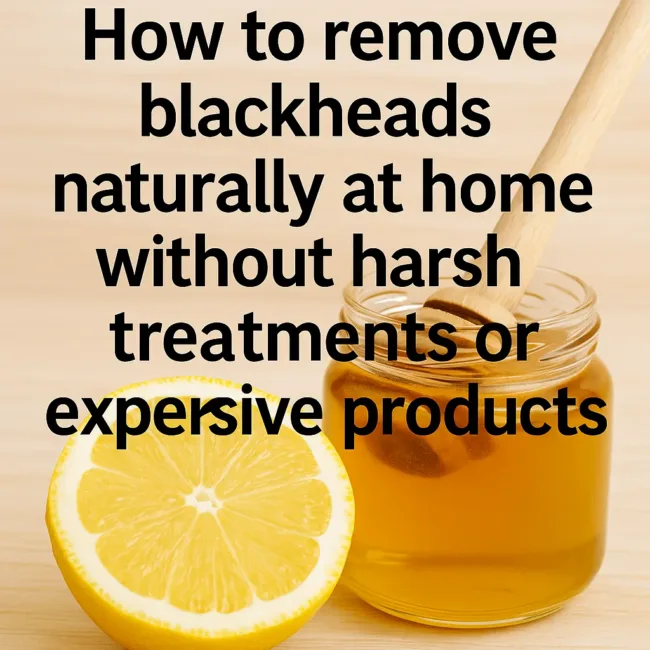
What are blackheads in skin physiology and why do they develop into visible clogged pores on the face?
Blackheads are among the most common forms of acne, affecting millions of people worldwide regardless of age or gender. They are small, dark lesions that typically appear on the face, particularly on the nose, chin, and forehead, but they can also show up on the chest, back, and shoulders. Medically, blackheads are classified as open comedones. They develop when a hair follicle or pore becomes clogged with a mixture of sebum, which is the natural oil produced by sebaceous glands, along with dead skin cells and environmental debris.
The reason they appear dark is not because of dirt, which is a common misconception. Instead, the discoloration results from a process called oxidation. When the clogged pore remains open, the trapped keratin and oil are exposed to oxygen in the air. This oxygen reacts with melanin pigments in the skin cells, causing the blackened appearance. Understanding this process is important because it explains why simply scrubbing the face aggressively does not eliminate blackheads. Effective treatment requires a balance of exfoliation, oil control, and antibacterial action to prevent pores from becoming congested in the first place.
How does a natural home remedy using honey and lemon work for people who want to remove blackheads safely?
Many individuals reach for over-the-counter products or even book appointments for extractions at beauty salons. While chemical peels, topical retinoids, and microdermabrasion are powerful dermatological options, they can also be expensive, time-consuming, and irritating for sensitive skin. Natural remedies, by contrast, are inexpensive, accessible, and generally gentler on the skin. One of the most widely used natural treatments for blackheads is the combination of honey and lemon.
Honey acts as a humectant, drawing water into the skin to keep it hydrated. It also has well-documented antibacterial and anti-inflammatory properties, which help reduce the bacterial activity that can worsen clogged pores. Lemon provides citric acid, a natural alpha-hydroxy acid that gently exfoliates dead skin cells and reduces excess oil. When used together, honey and lemon create a dual-action cleansing remedy that can help loosen and dislodge blackheads while simultaneously soothing the skin.
How should you apply honey and lemon on the skin for blackhead removal without causing irritation or side effects?
To try this remedy at home, start by cleansing your face with a mild, non-comedogenic face wash. Cut a lemon in half and squeeze it slightly so that the pulp is exposed. Apply a thin layer of honey directly onto the cut surface of the lemon. Using the honey-coated lemon half, gently massage the affected areas of your skin—most commonly the T-zone, where oil production is higher. Circular motions applied for about one to two minutes allow the citric acid and honey to penetrate the pores.

Once you have completed the massage, leave the mixture on your face for approximately five minutes to maximize absorption. Afterward, rinse with cool water, which helps close the pores and refresh the skin. This process is best carried out in the evening before bed, as citrus juices can make the skin more sensitive to sunlight. Performing the treatment at night minimizes the risk of photosensitivity while allowing the skin to heal during rest.
Why is honey considered an effective natural solution for unclogging pores and preventing future blackheads?
Honey has been used for centuries as a natural skin treatment and continues to hold relevance in modern dermatology. Its primary benefit comes from its antibacterial properties, which inhibit the growth of Propionibacterium acnes, the bacteria responsible for acne. In addition, honey acts as a natural exfoliant, as its enzymes break down keratin and dead skin cells that contribute to pore congestion.
By hydrating the skin and preventing the overgrowth of bacteria, honey creates an environment that is less likely to foster blackheads. It is also gentle compared to synthetic chemical exfoliants, which makes it an attractive option for people with sensitive or dry skin. Commercially available honey brands such as Dabur Honey are widely used in home remedies and remain accessible to households across many regions, making them a practical choice for skincare routines.
What precautions should people take when using lemon juice on skin to reduce blackheads and maintain skin safety?
Although lemon is a powerful natural exfoliant, it can also be harsh when applied incorrectly. Its citric acid content can cause stinging, redness, and dryness, particularly in individuals with sensitive skin. For this reason, dermatologists recommend limiting direct exposure and ensuring the juice is not left on the skin for too long. Applying lemon once or twice per week is typically sufficient, and overuse should be avoided.
Another important precaution is photosensitivity. Lemon contains compounds called psoralens, which increase the skin’s sensitivity to ultraviolet rays. This means that applying lemon juice and then going into direct sunlight can lead to sunburn or skin irritation. To prevent this, the honey and lemon method should always be performed at night, and a broad-spectrum sunscreen should be applied the next morning. Moisturizing afterward is also crucial, as citric acid can strip away natural oils and compromise the skin’s barrier.
How do natural remedies for blackheads compare to dermatological treatments in terms of effectiveness and results?
Natural remedies such as honey and lemon can help reduce mild blackheads, but they do not always provide results as dramatic or fast as medical treatments. Dermatologists often recommend salicylic acid, glycolic acid, benzoyl peroxide, and topical retinoids as standard therapies. These treatments penetrate deeper into the pores and regulate skin cell turnover, making them more effective for persistent acne.
However, professional treatments also carry risks of dryness, peeling, and irritation, especially when overused. Natural remedies, while milder, offer a safer option for individuals with occasional blackheads or those who prefer a more holistic approach to skincare. In many cases, people find success by combining natural remedies with a basic skincare regimen that includes gentle cleansing, proper hydration, and daily sun protection.
What role does overall skincare and lifestyle play in reducing blackhead formation and keeping pores healthy?
The development of blackheads is influenced not only by topical treatments but also by overall lifestyle and skincare practices. Excess oil production, hormonal changes, and bacterial growth all contribute to clogged pores. A comprehensive skincare routine that includes gentle cleansing, regular exfoliation, and adequate hydration is essential.
Diet and lifestyle choices also play a role. High-glycemic foods, dairy, stress, and lack of sleep may worsen acne for some individuals. By contrast, a balanced diet rich in antioxidants, regular physical activity, and proper hydration can improve skin health and reduce the likelihood of blackheads forming. Stress management is equally important, as stress hormones can stimulate sebaceous glands to produce more oil.
Incorporating natural remedies like honey and lemon into this broader routine can provide an additional layer of protection against pore congestion, but long-term consistency is the true key to maintaining clear skin.
Why do natural remedies like honey and lemon continue to remain relevant in modern skincare despite advanced treatments?
Modern dermatology offers a wide range of solutions for acne and blackheads, from prescription retinoids to high-tech procedures like chemical peels and laser therapy. Yet natural remedies like honey and lemon remain popular because they are affordable, easily accessible, and relatively free from side effects when used responsibly. They appeal to individuals seeking gentle alternatives to harsh chemicals, as well as those who value traditional and home-based care.
For medical students, these remedies also provide a practical example of how basic principles of dermatology—such as oxidation, bacterial growth, and exfoliation—translate into everyday skin concerns. For health-conscious readers, they illustrate the balance between science and nature. And for general skincare enthusiasts, they serve as a reminder that simple ingredients can still deliver results.
How can using natural remedies like honey and lemon help people maintain long-term skin health?
Blackheads remain a common yet manageable skin concern that can be addressed with consistent care. While clinical treatments are often necessary for severe cases, natural remedies such as honey and lemon provide a safe and effective starting point for mild to moderate blackheads. Honey contributes antibacterial and hydrating properties, while lemon offers exfoliation and oil control. Used together, they can improve pore health, reduce congestion, and promote clearer skin when applied correctly and in moderation.
In the larger context of modern skincare, these remedies remind us that prevention is just as important as treatment. By combining natural solutions with healthy lifestyle choices and sound dermatological practices, individuals can achieve long-lasting improvements in skin clarity and resilience.
Discover more from Business-News-Today.com
Subscribe to get the latest posts sent to your email.