



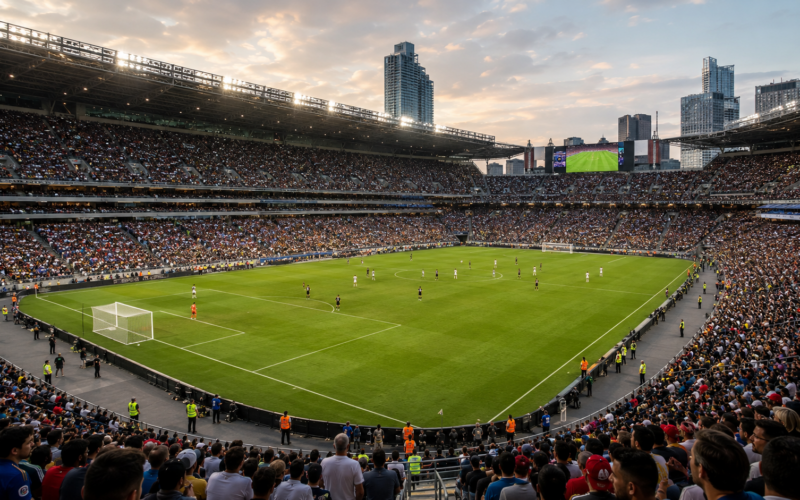
Saudi Arabia drew 1-1 with Uruguay at Miami Stadium in Miami Gardens on June 15, 2026, as Maxi Araújo scored an 80th-minute equaliser to rescue Marcelo Bielsa’s side after Abdulelah Al-Amri had threatened another famous Saudi result against a South American heavyweight in their FIFA World Cup 2026 Group H opener. Al-Amri put Saudi Arabia ahead in the 41st minute after Fernando Muslera failed to deal cleanly with a set-piece sequence, before Araújo punished a second-half Mohammed Al-Owais parry to leave both teams with one point.
The result leaves Group H completely level after the opening round, with Spain and Cape Verde also drawing 0-0 earlier in Atlanta. For Saudi Arabia, the draw was both encouraging and frustrating because Georgios Donis’ side came close to another headline-making World Cup upset. For Uruguay, the point avoided an opening defeat, but the performance raised questions about finishing, first-half tempo and whether Bielsa’s high-pressure approach can translate dominance into decisive results at FIFA World Cup 2026.
How did Saudi Arabia come close to another famous FIFA World Cup 2026 upset?
Saudi Arabia came close to another famous World Cup result because they absorbed Uruguay’s early control, waited for the right attacking window and punished a mistake before half-time. Uruguay began with Bielsa’s familiar intensity, pushing their lines high, pressing aggressively and trying to keep Saudi Arabia pinned inside their own half. But possession alone did not give Uruguay clarity.
Saudi Arabia stayed patient. Donis’ side did not create many chances, but they defended with concentration and used set-piece pressure to create panic inside the Uruguay penalty area. The breakthrough came in the 41st minute when Al-Amri reacted quickest after Muslera failed to deal cleanly with the danger. The Saudi defender turned the rebound home, giving the Green Falcons a 1-0 lead and briefly reviving memories of their shock 2022 win over Argentina.
The goal changed the match emotionally. Uruguay had looked like the side more likely to score, but suddenly they were chasing. Saudi Arabia had the scoreboard, the defensive platform and a goalkeeper in Al-Owais who was building a major individual performance. For a team with limited preparation time under Donis, the first-half lead was an impressive tactical and psychological statement.
The frustration for Saudi Arabia is that they could not hold it. They came within 10 minutes of a major win, but Uruguay’s pressure eventually forced the error that produced the equaliser. Still, the performance showed that Saudi Arabia can compete in Group H, especially if they defend with the same discipline against Spain.
Why did Maxi Araújo’s equaliser rescue Uruguay from a damaging opening defeat?
Maxi Araújo’s equaliser rescued Uruguay from a result that would have immediately placed Bielsa’s side under major pressure. Uruguay had produced volume without reward, finishing with 29 shots, but for most of the match they looked at risk of turning dominance into a painful defeat. Araújo changed that in the 80th minute by reacting sharply after Al-Owais could not hold a difficult shot.
The finish was not a flowing team move. It was a classic World Cup rebound goal, built on persistence, pressure and one mistake from a goalkeeper who had otherwise kept Saudi Arabia alive. That makes it important in a different way. Uruguay did not find rhythm easily, but they kept attacking until a loose ball appeared, and Araújo delivered when it did.
The goal also spared Uruguay from a very difficult narrative. A defeat to Saudi Arabia would have created immediate questions about Bielsa’s approach, squad freshness and the team’s ability to convert control into points. A draw still leaves questions, but it gives Uruguay room to recover against Cape Verde.
Araújo’s intervention should not hide Uruguay’s wider issues. They were slow to translate pressure into high-quality chances, and their first half lacked patience. Federico Valverde, Darwin Núñez and the attacking group were unable to turn possession into control before the interval. Uruguay improved after the break, but the point was rescued rather than calmly earned.
How did the two goalkeepers define the match in completely different ways?
The match will be remembered partly because both goals came from goalkeeper mistakes. Muslera, one of Uruguay’s most experienced players, was at fault for Saudi Arabia’s opener after parrying the ball into danger. Al-Amri needed sharp reactions, but the chance came because Uruguay’s goalkeeper did not remove the danger from the set-piece sequence.
At the other end, Al-Owais spent much of the match looking like Saudi Arabia’s hero. He made nine saves, including six in the second half, as Uruguay launched wave after wave of attacks. His shot-stopping kept Saudi Arabia ahead for long stretches and repeatedly frustrated Uruguay’s forwards and midfield runners.
But his difficult parry in the 80th minute changed the match. The ball fell to Araújo, who finished from close range to level the score. That moment turned Al-Owais’ performance from a potential clean-sheet masterclass into something more complicated: brilliant for most of the game, but costly in the decisive moment.
That contrast is what made the match so cruel for both teams. Muslera’s mistake put Uruguay in trouble. Al-Owais’ mistake took away Saudi Arabia’s win. In a game shaped by pressure, heat and late fatigue, two goalkeeping errors became the difference between victory, defeat and shared points.
What did Bielsa’s Uruguay show and what still needs fixing after the Saudi Arabia draw?
Uruguay showed intensity, persistence and tactical aggression, especially after half-time. Bielsa’s team pushed Saudi Arabia deep, kept the ball in advanced areas and forced a high volume of shots. Their pressing structure often trapped Saudi Arabia inside their own half and created the conditions for sustained second-half pressure.
What Uruguay did not show was enough sharpness. The first half was too rushed, and their attacking work often lacked calm around the box. When Saudi Arabia defended deep, Uruguay needed more variety in their final passes and more composure from their forwards. Instead, many attacks ended in blocked shots, speculative efforts or crosses that Saudi Arabia could survive.
Bielsa’s style can overwhelm teams, but it also demands precision. If the first pass after winning the ball is poor or the final action is rushed, the pressure becomes noisy rather than decisive. Against Saudi Arabia, Uruguay had volume but not enough certainty.
The Cape Verde match now becomes important for more than points. Uruguay need to show they can control a game emotionally as well as territorially. Cape Verde have already frustrated Spain, so Uruguay will know that another low-block opponent can create similar problems if the South Americans do not improve their decision-making.
What does Saudi Arabia’s performance say about their FIFA World Cup 2026 prospects?
Saudi Arabia’s performance suggested they can be a difficult opponent in Group H, even if the missed win will hurt. Donis’ team defended with commitment, survived long periods under pressure and showed enough set-piece threat to punish Uruguay. The draw gives them a platform before facing Spain.
The challenge is sustainability. Saudi Arabia spent much of the second half defending inside their own half, and that level of pressure is difficult to survive repeatedly. Al-Owais had to make too many saves, and Uruguay’s 29 shots underline how much defensive work Saudi Arabia were forced to absorb.
Still, there were clear positives. Al-Amri’s goal showed their set-piece threat. Salem Al-Dawsari and Feras Al-Brikan gave the team attacking reference points. Mohamed Kanno and Abdullah Al-Khaibari worked hard in midfield. The defensive line, even under heavy stress, stayed alive until Uruguay finally found the equaliser.
Against Spain, Saudi Arabia may face a different type of pressure. Spain will circulate the ball patiently rather than attacking with Uruguay’s relentless vertical urgency. That could make the match even more demanding mentally. But after taking a point from Uruguay, Saudi Arabia will believe that Group H is not beyond them.
What does the 1-1 draw mean for the FIFA World Cup 2026 Group H table?
Group H is completely level after the first round of FIFA World Cup 2026 fixtures. Spain and Cape Verde drew 0-0, while Saudi Arabia and Uruguay drew 1-1, leaving all four teams with one point and no immediate leader.
| Team | Played | Points | Goal difference |
|---|---|---|---|
| Saudi Arabia | 1 | 1 | 0 |
| Uruguay | 1 | 1 | 0 |
| Spain | 1 | 1 | 0 |
| Cape Verde | 1 | 1 | 0 |
The second round of fixtures now becomes unusually important. Spain vs Saudi Arabia will test whether Spain can recover from their goalless draw and whether Saudi Arabia can defend at the same level against a different kind of possession team. Uruguay vs Cape Verde will test whether Bielsa’s side can break down a debutant team that already held Spain.
For Uruguay, the draw is recoverable but not comfortable. A win against Cape Verde would restore momentum. Another draw would make the final match far more stressful. For Saudi Arabia, the point gives them belief, but they may regret not taking three after leading so late.
The table does not separate the group yet, but the performances created clues. Cape Verde showed defensive discipline against Spain. Saudi Arabia showed resilience against Uruguay. Spain showed control without cutting edge. Uruguay showed pressure without enough efficiency. Group H now looks far more open than reputation suggested.
Why does this FIFA World Cup 2026 result matter beyond the Group H standings?
This result matters because it continued one of the major early themes of FIFA World Cup 2026: reputation is not creating easy wins. Spain were held by Cape Verde, Belgium were held by Egypt, and Uruguay were held by Saudi Arabia. The opening week has rewarded discipline and punished teams that confuse possession with control.
For Saudi Arabia, the draw adds another strong World Cup memory against South American opposition, even if it does not match the scale of the Argentina upset in 2022. They were organised, brave and close to a win that would have transformed the group. The late equaliser hurt, but the performance proved they are capable of competing.
For Uruguay, the result is a warning. Bielsa’s side have enough quality to advance, but they need more patience and precision in attack. Relying on volume alone can become dangerous against compact teams. If Uruguay want to go deep, they must turn pressure into clearer chances and avoid defensive lapses from senior players.
The editorial view is that Saudi Arabia leave Miami with more encouragement, while Uruguay leave with more relief. Both teams have one point, but the emotional meaning is different. Saudi Arabia nearly made history again. Uruguay escaped the kind of opening defeat that can disturb an entire campaign.
Key takeaways from Saudi Arabia vs Uruguay at FIFA World Cup 2026
- Saudi Arabia and Uruguay drew 1-1 at Miami Stadium on June 15, 2026, in their FIFA World Cup 2026 Group H opener. Abdulelah Al-Amri scored in the 41st minute before Maxi Araújo equalised for Uruguay in the 80th minute.
- Both goals came from goalkeeper errors. Fernando Muslera’s poor parry allowed Al-Amri to score for Saudi Arabia, while Mohammed Al-Owais’ second-half parry gave Araújo the chance to rescue Uruguay.
- Saudi Arabia defended with discipline and nearly earned another famous World Cup result against a South American heavyweight. Georgios Donis’ side will still feel frustration after conceding late, but the draw gives them a useful platform before facing Spain.
- Uruguay dominated large stretches, particularly after half-time, and finished with 29 shots. However, Marcelo Bielsa’s side lacked enough precision in the final third and needed a late rebound goal to avoid defeat.
- Group H is completely level after the first round, with Saudi Arabia, Uruguay, Spain and Cape Verde all on one point. Saudi Arabia next face Spain, while Uruguay meet Cape Verde in a match that now carries added pressure.
Discover more from Business-News-Today.com
Subscribe to get the latest posts sent to your email.