
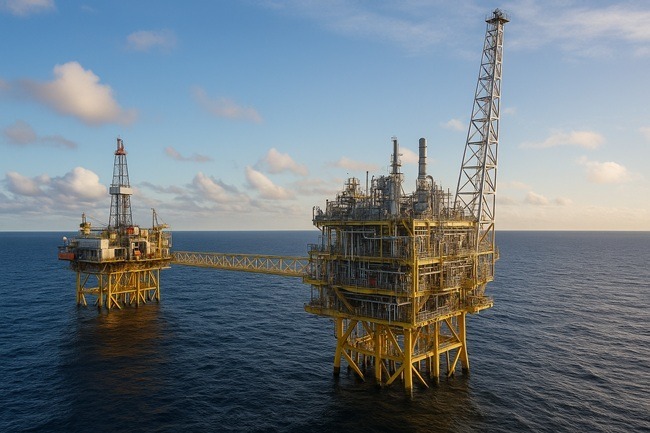

Northern Star Resources Limited (ASX: NST), the Perth-headquartered gold producer operating mines across Western Australia and Alaska, reported gold sales of approximately 364,000 ounces for the September 2026 quarter at an all-in sustaining cost of A$3,217 per ounce. The 21 October operational update confirmed that the tie-in of the existing KCGM processing circuit to the expanded Fimiston plant was completed on 28 September, approximately two weeks later than initially anticipated. Northern Star generated A$210 million in net mine cash flow but recorded an underlying group free cash outflow of A$31 million, including A$113 million in corporate tax payments. The company retained FY27 guidance of 1.5 million to 1.65 million ounces sold, with stronger production expected during the second half as the expanded KCGM processing system progresses through commissioning.
Why did Northern Star’s September-quarter gold sales reach only 364,000 ounces?
Northern Star reported group gold sales of approximately 364,000 ounces, reflecting production across its Kalgoorlie, Yandal and Pogo operating centres. The results were affected by planned maintenance, lower grades and commissioning activity at the KCGM processing expansion. The company has maintained its full-year operating outlook because the September quarter was expected to be relatively weaker than later periods. Nevertheless, the remaining production schedule depends on improved plant availability and access to planned ore sources.
The Kalgoorlie operations sold approximately 193,540 ounces during the quarter at an all-in sustaining cost of A$2,919 per ounce. Yandal contributed approximately 117,631 ounces at A$3,687 per ounce. The Pogo operation in Alaska sold approximately 52,720 ounces at a reported cost of US$2,307 per ounce. These results demonstrate material differences in production scale and operating economics across the portfolio.
Yandal’s gold sales declined from approximately 124,000 ounces in the preceding quarter, while Pogo fell from around 82,000 ounces. The Pogo reduction was particularly significant because planned shutdowns and infrastructure work affected production rates. Lower sales volumes can increase reported sustaining costs per ounce when expenditure is spread across fewer ounces. This explains part of the cost pressure observed during the quarter.
Northern Star has forecast FY27 production of 1.5 million to 1.65 million ounces sold. After approximately 364,000 ounces in the opening quarter, the remaining three quarters would need to contribute about 1.136 million to 1.286 million ounces. That equates to an average of approximately 379,000 to 429,000 ounces per quarter. The calculations illustrate the stronger performance required as the financial year progresses.
What does completion of the KCGM mill tie-in mean for Northern Star’s Kalgoorlie production capacity?
Northern Star has completed the physical tie-in associated with Stage I of the KCGM Mill Expansion Project. The existing processing circuits were shut down on 21 September, and integration with the expanded plant was completed on 28 September. The milestone was achieved approximately two weeks later than previously anticipated because of commissioning-related issues involving a thickener and ball mill. Northern Star reported that those issues had been addressed, allowing commissioning to continue.
The Stage I expansion is intended to increase processing capacity at KCGM from approximately 13 million tonnes annually to 27 million tonnes. This represents a substantial change in the scale of the processing system and could enable more ore to be treated once the plant operates reliably. However, installed processing capacity is not the same as actual production throughput. The commercial benefit will depend on commissioning, operating availability, ore supply and recovery performance.
Commissioning of the integrated plant remains at an early stage. Northern Star has emphasised that the immediate priority is establishing stable and sustained operating performance. The company has not reported that the expanded system is already running consistently at its intended annual capacity. It would therefore be premature to assume that the additional throughput is contributing fully to revenue.
The expansion is central to Northern Star’s strategy because KCGM is a major gold production centre with a substantial resource base and established mining infrastructure. Higher processing throughput can provide opportunities to increase production from existing ore sources and reduce unit costs. However, larger facilities also require reliable maintenance, energy supply and materials handling. The economic outcome will depend on how effectively the mine and plant operate as a connected system.
How could KCGM Stage II improve gold recovery and simplify Northern Star’s processing operations?
Stage II of the KCGM expansion is intended to consolidate processing at the Fimiston site into a single operating hub. This would remove the need to transport concentrate between KCGM and the Gidji facility. Northern Star expects the consolidation to improve gold recovery by approximately one to two percentage points. The benefit remains a project expectation rather than a demonstrated operating result.
The company is targeting Stage II commissioning during the early part of the second half of FY27. Integrating the additional processing functions should simplify parts of the logistics chain and potentially reduce costs associated with moving intermediate material between facilities. However, the final effect will depend on equipment reliability, metallurgical performance and operating expenditure. Processing improvements must be sustained to create meaningful financial value.
Higher recovery can increase gold output without requiring an equivalent increase in ore mined or processed. For example, a one-percentage-point increase in recovery means an additional percentage point of contained gold is recovered from the processed material under otherwise comparable conditions. The earnings contribution depends on ore grade, tonnes processed and realised gold prices. Northern Star has not quantified a separate annual profit contribution from the anticipated recovery improvement in the latest update.
The company is maintaining significant investment in the expansion while continuing regular mining operations. Managing this transition requires coordination between construction teams, process engineers and production personnel. Unexpected commissioning requirements may affect throughput or expenditure during the ramp-up period. The next operating reports will establish whether the expanded plant is progressing toward its intended performance.
Why did Northern Star generate A$210 million in net mine cash flow but negative group free cash flow?
Northern Star reported approximately A$210 million in net mine cash flow during September, with all three production centres remaining cash-positive after relevant mine-level expenditure. However, underlying group free cash flow was negative A$31 million. The difference reflects expenditure and payments occurring beyond the mine-level cash flow measure, including A$113 million in corporate income tax. The result highlights the importance of distinguishing mine operating performance from the cash retained by the wider company.
The group’s total all-in cost reached approximately A$4,647 per ounce, compared with a lower level in the preceding quarter. The increase reflected reduced gold sales alongside mining and processing conditions, including commissioning activity. All-in costs incorporate a broader set of expenditure than the all-in sustaining cost measure. They therefore provide additional context for understanding the capital intensity of the current development period.
Northern Star’s portfolio is undergoing substantial investment in processing infrastructure and future mining areas. These commitments absorb cash before the corresponding production benefits become available. The September negative free cash flow does not mean the operating mines failed to generate cash, but it demonstrates that group expenditure exceeded cash generation under the reported measure. Sustained improvement will require stronger output and more efficient conversion of operating earnings into cash.
The company reported approximately A$1.2 billion in cash and bullion at 30 September. It also utilised A$500 million of bank facilities after the quarter-end to maintain its targeted cash position. This financing movement should not be confused with additional cash generated from gold production. The balance-sheet position must be assessed alongside debt, available facilities and future capital expenditure.
How does Pogo’s underground infrastructure programme affect Northern Star’s Alaska production outlook?
Pogo experienced a substantial production decline during the September quarter, with gold sales falling to approximately 53,000 ounces from 82,000 ounces previously. A major processing shutdown and work on the underground ore bin and haulage infrastructure contributed to the reduction. With the ore bin unavailable, additional handling was required both underground and at surface. These changes limited the efficiency of ore movements through the mine.
Northern Star expects the underground ore bin and main haulage infrastructure to return to service in late October. Mining rates are then expected to normalise progressively during the December quarter. Restoring the equipment is an important operational milestone because underground mine output depends on moving ore efficiently from production areas to the processing plant. However, restarting the infrastructure does not guarantee immediate recovery to the previous quarterly sales level.
Pogo’s mined grade averaged approximately 5.9 grams per tonne during September. Management expects a broadly similar grade in December, followed by stronger grades during the second half of FY27 as access to higher-grade stopes improves. The timing of that access will influence production and costs. A higher grade can increase recoverable gold per tonne processed, but underground development and operating expenditure remain significant.
Pogo generated approximately US$39 million in net mine cash flow after US$24 million in growth capital expenditure. This demonstrates that the operation remained cash-positive despite lower sales and maintenance interruptions. Nevertheless, sustaining the contribution requires production recovery and cost discipline. Subsequent reporting will indicate whether the underground infrastructure programme produces more consistent ore delivery.
Why is the Yandal production centre important to Northern Star’s FY27 cost outlook?
Yandal includes the Jundee, Thunderbox and Bronzewing operating areas in Western Australia. The production centre generated A$160 million in mine operating cash flow and approximately A$138 million in net mine cash flow during the quarter. Gold sales reached approximately 118,000 ounces at an all-in sustaining cost of A$3,687 per ounce. This represented a higher unit cost than during the June quarter.
The September period included planned maintenance at Jundee and Thunderbox, while expenditure on deferred stripping at Bannockburn increased sustaining capital. These activities influence short-term costs but may support ore access and production during later quarters. However, the financial benefit depends on the mining schedule and the grades delivered. Capital expenditure is economically valuable when it supports profitable production rather than simply increasing the amount of development activity.
Thunderbox achieved record quarterly gold sales, supported by stronger ore grades from the Orelia open pit and the drawdown of gold held within processing circuits. The company also commissioned the paste plant at the Wonder underground mine, supporting future mining operations. These developments demonstrate progress within parts of the Yandal portfolio even as the production centre’s overall costs increased. The differing outcomes show why individual mine performance matters to the group’s aggregate result.
Northern Star expects higher-grade material to contribute more significantly during the second half of FY27. If achieved, this could support additional production and improve unit costs. Nevertheless, the outcome remains dependent on mine development and processing performance. Stronger Yandal results would provide support while KCGM continues commissioning.
Can Northern Star maintain FY27 guidance while investing up to A$2.94 billion in its mines?
Northern Star has retained FY27 gold sales guidance of 1.5 million to 1.65 million ounces at an all-in sustaining cost of A$3,050 to A$3,450 per ounce. Total planned capital investment, including sustaining and growth capital, ranges from approximately A$2.55 billion to A$2.935 billion. Sustaining capital expenditure alone is forecast at A$850 million to A$915 million. The development programme is therefore substantial relative to the cash generated during the opening quarter.
Growth investment is focused on future ore access, completion of the KCGM expansion and advancement of the Hemi Gold Project. Northern Star has also allocated A$230 million to A$250 million for exploration across its portfolio. These commitments could strengthen future production, but they place pressure on near-term free cash flow. The company has indicated that some expenditure remains discretionary and may be managed according to operating performance.
Northern Star plans to progress Hemi toward a final investment decision during the later part of FY27. The project could provide another source of long-term gold production, subject to completion of studies, approvals and financing decisions. However, the capital requirements and eventual production contribution remain separate from current operating earnings. Management must balance this opportunity against the resources needed to complete KCGM and maintain existing mines.
New Managing Director and Chief Executive Officer Suresh Vadnagra commenced his role on 5 October 2026. His immediate priorities include improving delivery consistency, cost discipline and capital allocation while overseeing completion of KCGM. The September results provide a baseline against which that operating programme can be assessed. Stronger production and improved cash flow over subsequent quarters will be important evidence of progress.
The near-term outlook remains heavily influenced by the KCGM commissioning programme. Once the expanded facility operates reliably, the company expects a stronger production contribution and improved processing performance. Pogo’s haulage recovery and higher-grade ore access at Yandal provide additional opportunities for improvement. Meeting FY27 guidance will require those developments to occur without material further disruption.
Key takeaways from Northern Star Resources’ September 2026 production and cash flow results
- Northern Star sold approximately 364,000 ounces of gold.
- Group all-in sustaining costs reached A$3,217 per ounce.
- Net mine cash flow totalled A$210 million.
- Underlying group free cash flow was negative A$31 million, including A$113 million in corporate tax payments.
- KCGM’s Stage I mill tie-in was completed on 28 September.
- The expanded plant is designed to increase capacity to approximately 27 million tonnes annually.
- Commissioning remains at an early stage, with Stage II targeted for the second half of FY27.
- Pogo’s underground haulage infrastructure is expected to return to service in late October.
- FY27 production guidance remains 1.5 million to 1.65 million ounces sold.
- Total FY27 capital investment is forecast at A$2.55 billion to A$2.935 billion.
Discover more from Business-News-Today.com
Subscribe to get the latest posts sent to your email.