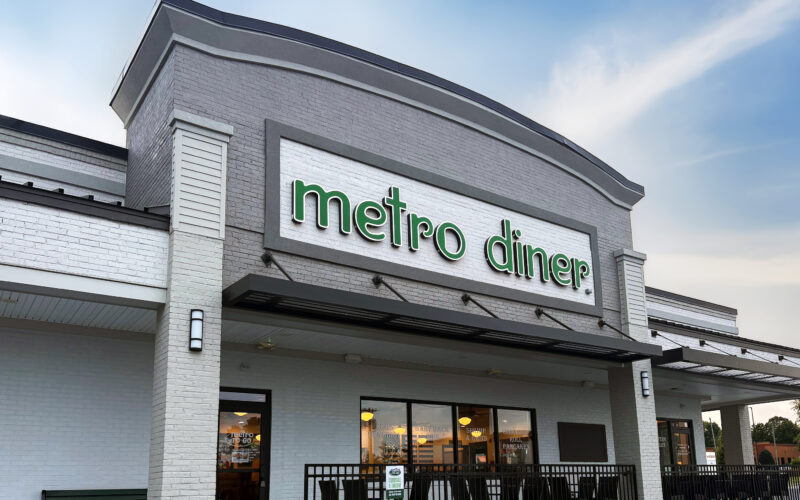
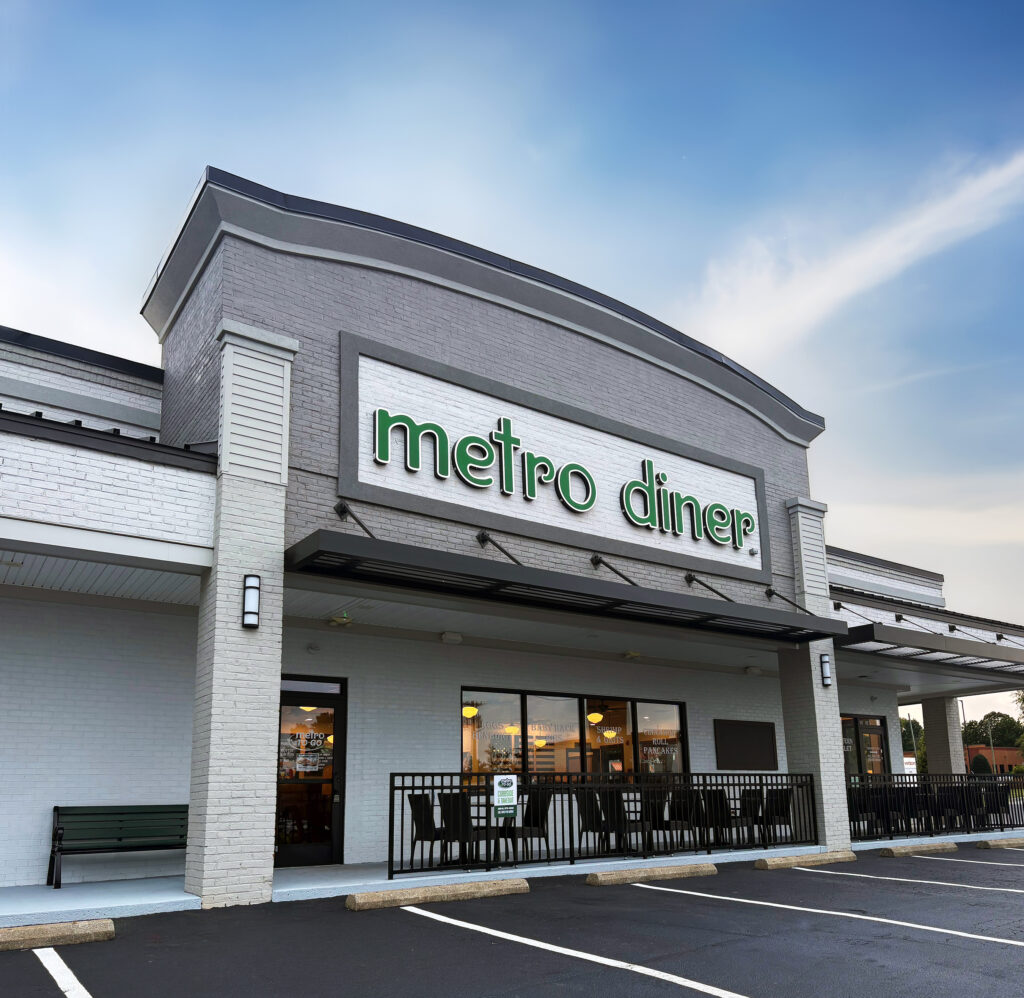
Metro Diner has opened its first Greenville, South Carolina restaurant, adding another market to a regional footprint that now spans six locations across the state as the privately held dining chain continues selective expansion despite a difficult operating environment for full-service restaurants. The 3,700-square-foot location at 1178 Woodruff Road in the Woodruff Gallery shopping center can seat 135 guests indoors and another 24 on its patio, giving the restaurant capacity for 159 customers at full seating. Managing Partner Justin Sheffield, who has worked with Metro Diner for nearly five years and has two decades of restaurant-industry experience, is leading the operation. The more important commercial question is whether Metro Diner can convert Woodruff Road’s heavy retail traffic into repeat breakfast, lunch and eventually dinner visits while many larger restaurant chains are focusing more heavily on closing weaker stores than expanding indiscriminately.
The Greenville opening follows Metro Diner’s January entry into Columbia and an August opening in Lecanto, Florida, showing that the brand is continuing to add locations rather than pursuing rapid nationwide expansion. Metro Diner currently operates more than 60 restaurants across 12 states, with its South Carolina presence now including Aiken, Anderson, Charleston, Columbia, Greenville and Indian Land. The Greenville restaurant will initially operate from 8 a.m. to 3 p.m. daily before extending service until 8 p.m. when dinner operations are added. That staged opening gives management an opportunity to establish staffing and daytime traffic before increasing operating hours and labor requirements.
Why did Metro Diner choose Greenville’s Woodruff Road corridor for its latest expansion?
Woodruff Road offers one of Greenville’s most concentrated retail and restaurant environments, giving Metro Diner access to consumers already traveling through the corridor for shopping, dining and services. Commercial property listings along different sections of Woodruff Road indicate traffic counts ranging from more than 30,000 vehicles per day to roughly 46,000 vehicles at some of the corridor’s busiest intersections, reinforcing its status as a major regional retail destination.
That density can support restaurant traffic across several dayparts, but it also means competition is intense. National and regional restaurant brands compete alongside independent operators throughout the corridor, making visibility, access, service speed and repeat visitation particularly important. Metro Diner is therefore entering a market with strong consumer traffic but little room for a weak location strategy.
The Woodruff Gallery address gives the company a position within an established shopping environment rather than requiring it to create an entirely new destination. For a family-dining concept, proximity to retail can be particularly useful because customers may combine restaurant visits with errands or shopping trips, while the surrounding commercial base can support weekday breakfast and lunch demand in addition to weekend family traffic.
The Greenville Chamber of Commerce has scheduled a ribbon-cutting ceremony for October 13, creating another local marketing opportunity after the restaurant’s initial opening. The event will not determine the economics of the site, but community visibility can matter for a chain trying to establish itself in a market where several South Carolina locations already give the brand some regional recognition.
How does the Greenville restaurant fit Metro Diner’s wider South Carolina expansion?
South Carolina is becoming a meaningful cluster within Metro Diner’s broader Southeastern network. The chain already operates in Aiken, Anderson, Charleston, Columbia and Indian Land, meaning Greenville fills another major population and commercial center rather than representing an isolated expansion far from existing operations.
Clusters can offer practical advantages for restaurant brands. Marketing investment becomes more efficient when several locations operate within the same state, experienced managers can potentially support newer restaurants, and suppliers can serve multiple units without creating an entirely separate logistics network for one site. Brand recognition can also travel between markets as customers encounter the concept while moving around the region.
Metro Diner’s Columbia opening earlier in 2026 reinforces that pattern. Rather than adding numerous stores across new states simultaneously, the company appears to be increasing density within markets where it already operates or understands consumer demand. That approach can reduce some expansion risk compared with entering unfamiliar regions at high speed.
The chain remains concentrated east of the Mississippi, and its current footprint still looks relatively modest compared with national family-dining competitors operating hundreds or thousands of restaurants. That smaller scale can be a disadvantage in purchasing power and advertising reach, but it can also allow management to be more selective when choosing sites rather than pursuing growth simply to meet an aggressive national unit target.
Why is Metro Diner opening with shorter hours before adding dinner service?
Metro Diner’s decision to begin with daily operating hours from 8 a.m. to 3 p.m. before expanding to 8 p.m. provides a practical way to ramp the restaurant. Breakfast and lunch are core parts of the brand’s identity, particularly because the menu allows guests to order breakfast throughout the day.
Opening first around those established dayparts allows the Greenville team to build kitchen routines, understand customer traffic and train staff before adding another five hours of daily operation. Dinner requires additional staffing, food preparation and management coverage, so delaying the daypart can limit operational pressure during the initial weeks.
The eventual move into dinner remains commercially important because restaurant economics depend heavily on using fixed assets across as many productive hours as possible. Rent, equipment and much of the capital invested in a 3,700-square-foot location remain in place whether the restaurant closes at 3 p.m. or 8 p.m. Successful dinner service can therefore increase revenue generated from the same physical footprint, provided incremental sales comfortably exceed the additional labor and food costs.
Metro Diner already has menu categories extending beyond breakfast, including burgers, sandwiches, ribs and other American comfort-food dishes. The product offering therefore supports broader daypart demand, while the Greenville ramp will test whether local customers view the concept as strongly for dinner as they do for breakfast and brunch.
Can Metro Diner’s all-day breakfast positioning still stand out in a crowded restaurant market?
Breakfast has become increasingly competitive as quick-service, coffee, bakery and full-service chains all compete for morning spending. Metro Diner differentiates itself by combining all-day breakfast with larger comfort-food meals, allowing customers to order items such as omelets, pancakes and breakfast platters even during traditional lunch or dinner periods.
Its better-known menu products include Fried Chicken & Waffle, combining fried chicken with a Belgian waffle, strawberry butter and a sweet-and-spicy sauce, and Iron City Meatloaf, which previously gained national exposure through television. The Greenville restaurant also offers Angus beef burgers, sandwiches, ribs and conventional diner-style dishes.
The broad menu gives Metro Diner flexibility but also creates operational complexity. Restaurants carrying numerous ingredients and preparing multiple categories across all dayparts must carefully manage kitchen throughput, inventory and waste. The advantage is that groups containing customers with different preferences can still choose the same restaurant, a useful attribute for family dining.
Consumer value will remain important as households continue scrutinizing discretionary spending. Large portions and familiar comfort foods can support the perception of value, but restaurant operators are still exposed to food inflation, labor expenses, rent and insurance costs. The Greenville store therefore needs sufficient transaction volume and repeat customers rather than depending only on the attention surrounding a new opening.
Why does selective expansion matter as other US restaurant chains close weaker stores?
The broader American restaurant industry in 2026 provides a challenging backdrop for new openings. Several large chains have been closing underperforming locations or reassessing development plans as operating expenses remain elevated and consumer traffic becomes less predictable. Site economics have consequently become more important than simply increasing unit counts.
Metro Diner’s recent openings suggest a more selective development pattern. The company has added Greenville, Columbia and Lecanto during 2026 without attempting the kind of aggressive rollout that can expose restaurant brands to large numbers of immature stores simultaneously.
This strategy does not guarantee success. New restaurants carry construction, equipment, training and pre-opening expenses, while lease obligations remain even if sales initially fall below expectations. A disciplined opening programme works only when management selects markets capable of generating attractive restaurant-level economics.
Greenville appears to offer several characteristics that support that case, including regional population growth, a heavily trafficked retail corridor and Metro Diner’s existing brand presence elsewhere in South Carolina. The location can also benefit from geographic proximity to Anderson, potentially increasing familiarity among Upstate consumers who have already encountered the chain.
What will determine whether the Greenville location becomes a successful Metro Diner expansion?
The first test will be traffic after the novelty of the opening fades. New restaurants often receive an initial burst of interest, but sustainable economics depend on turning first-time customers into repeat visitors across weekdays as well as weekends.
Dinner expansion will provide another indicator. Moving from 3 p.m. closing to 8 p.m. increases available selling hours by roughly one-third compared with the initial nine-hour operating day, creating meaningful additional revenue potential if Greenville customers embrace the evening menu. The timing of that transition may also reveal how quickly the location reaches staffing and operational stability.
Labor retention will matter because Metro Diner’s positioning depends on service as well as food. Sheffield’s experience inside the company gives the Greenville restaurant an established operator rather than a manager learning the brand simultaneously with the local market, potentially reducing some opening-stage execution risk.
South Carolina expansion will be another signal. Metro Diner now has enough locations across the state for Greenville to be assessed as part of a cluster rather than individually. Additional South Carolina openings would indicate management sees room for more density, while a pause could suggest the company prefers to allow its Columbia and Greenville additions to mature first.
For Metro Diner, the Greenville opening ultimately represents a relatively small addition to a 60-plus-location system, but its strategic relevance comes from the manner in which the chain is growing. The company is adding restaurants inside established regional clusters while many competitors are spending 2026 pruning weaker sites. If Woodruff Road can support breakfast, lunch and eventual dinner volumes at attractive economics, Greenville could reinforce the case for selective regional expansion rather than rapid unit growth for its own sake.
What are the key takeaways from Metro Diner’s Greenville expansion?
Metro Diner has opened its first Greenville restaurant at 1178 Woodruff Road in the Woodruff Gallery shopping center, giving the brand six current South Carolina markets. The 3,700-square-foot restaurant seats 135 guests inside and another 24 outdoors, for total capacity of 159.
The restaurant is initially operating from 8 a.m. to 3 p.m. daily and plans to expand hours until 8 p.m. once dinner service is introduced. Managing Partner Justin Sheffield, who has nearly five years of experience with Metro Diner and roughly two decades in restaurants, is leading the location.
Greenville follows Metro Diner’s Columbia opening earlier in 2026 and contributes to a network of more than 60 locations across 12 states. The company is expanding during a period when numerous US restaurant operators are closing weaker stores, increasing the importance of disciplined site selection and unit-level returns.
Woodruff Road provides heavy retail traffic and substantial consumer activity but also exposes Metro Diner to intense restaurant competition. Repeat visits, successful dinner expansion, staffing stability and restaurant-level productivity will provide the clearest indicators of whether Greenville becomes another durable market for the brand.
Discover more from Business-News-Today.com
Subscribe to get the latest posts sent to your email.