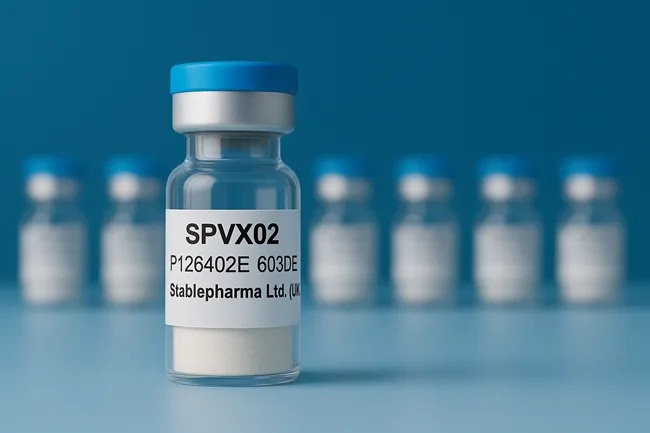



Merck KGaA, Darmstadt, Germany (Xetra: MRK), has entered into a definitive agreement to acquire Silence Therapeutics plc (NASDAQ: SLN) in an all-cash transaction valuing the British biotechnology company at approximately $1.3 billion on an equity basis. The October 19, 2026 announcement establishes consideration of $20 per American depositary share, representing a 130% premium to Silence Therapeutics’ October 16 closing price. The transaction carries an enterprise value of approximately $1.1 billion and is expected to close during the first quarter of 2027, subject to shareholder approval, regulatory clearances and other conditions.
The proposed acquisition would give Merck access to Silence Therapeutics’ proprietary small interfering RNA technology and its lead investigational medicine, divesiran, which is being developed for polycythemia vera, a rare blood cancer. Divesiran has generated encouraging results in a Phase 2 clinical trial and is considered ready for Phase 3 development, although it has not received regulatory approval for commercial use. The acquisition is part of Merck’s strategy to expand its specialist medicine portfolio through targeted investments in innovative therapies with potentially differentiated clinical characteristics.
The financial commitment follows Merck’s acquisition of SpringWorks Therapeutics in 2025 and underscores the company’s willingness to pursue external research assets to strengthen its future product pipeline. However, the significant acquisition premium and the clinical-stage status of the principal asset introduce substantial execution risk. Merck must demonstrate that the acquired technology can progress through pivotal clinical development, achieve regulatory approval and generate commercial returns sufficient to justify the purchase price.
Why is Merck paying more than twice Silence Therapeutics’ previous share price?
The $20-per-depositary-share offer represents a 130% premium to Silence Therapeutics’ closing share price immediately before the announcement. Merck also identified an 82% premium to the company’s 30-day volume-weighted average share price of $10.99. These figures reflect the substantial value the purchaser is assigning to Silence Therapeutics’ clinical pipeline and technology beyond its previous public market valuation.
The transaction followed a competitive sale process, according to Silence Therapeutics. This provides context for the agreed consideration, although competition among potential purchasers does not establish that the final price guarantees an attractive return. The acquisition premium effectively incorporates expectations concerning future clinical success, commercial revenue and the strategic benefits of owning a broader gene-silencing platform.
Merck will pay approximately $1.3 billion for the equity while the enterprise value is estimated at $1.1 billion. The distinction matters because equity value and enterprise value account differently for cash and debt-related balance-sheet items. Investors evaluating the transaction should use the appropriate measure when comparing the acquisition with prospective product revenue or the financial characteristics of other biotechnology deals.
The company plans to finance the acquisition with proceeds from new debt. Although Merck operates across healthcare, life science and electronics, additional borrowing creates financing obligations before Silence Therapeutics’ principal product has established commercial revenue. The investment case therefore depends on the timing of clinical development and the probability of successful regulatory approval.

What makes divesiran an attractive treatment candidate for polycythemia vera?
Polycythemia vera is a rare chronic blood cancer characterised by excessive production of red blood cells. Patients can face elevated risks of blood clots and cardiovascular complications, making effective control of blood cell levels an important treatment objective. Management approaches can include therapeutic phlebotomy, which involves removing blood, alongside medicines intended to control disease activity.
Divesiran is designed to interfere with production of a protein associated with the TMPRSS6 gene, thereby affecting hepcidin regulation and iron availability. By increasing hepcidin activity, the medicine is intended to reduce the availability of iron required for red blood cell production. This mechanism could help patients maintain appropriate haematocrit levels while reducing their dependence on repeated phlebotomy procedures.
The treatment is administered through subcutaneous injections approximately once every three months under the investigated regimen. A relatively infrequent dosing schedule could become commercially attractive if pivotal trials establish an acceptable balance of efficacy, safety and convenience. However, dosing convenience alone does not determine therapeutic value, particularly in a chronic disease requiring long-term management.
The candidate remains investigational, and its eventual indication, dosing instructions and clinical positioning will depend on regulatory review. Phase 2 findings provide evidence supporting further development but do not independently establish long-term effectiveness or safety across larger patient populations. Merck will need to demonstrate clinically meaningful benefits under the requirements of its pivotal programme.
What did the Phase 2 SANRECO trial establish about divesiran?
Silence Therapeutics reported that divesiran met the primary endpoint in the Phase 2 SANRECO study. The company disclosed an 88% responder rate among patients receiving divesiran, compared with 19% in the placebo group, with the difference reaching statistical significance. The finding provides support for the treatment’s biological activity and potential clinical usefulness in controlling polycythemia vera.
The trial also reported a reduction in the mean number of phlebotomies during weeks zero through 36. Patients receiving divesiran required an average of 0.2 phlebotomies per patient, compared with 2.1 in the placebo group. These figures are clinically relevant because reducing the need for repeated blood removal could ease treatment burden for some patients.
The company reported that divesiran was generally well tolerated during the study, with no new safety findings identified in the disclosed analysis. Two cases of Grade 1 anaemia were assessed by an investigator as treatment-related, while injection-site reactions were described as infrequent and self-limiting. These observations are encouraging but should not be treated as proof that uncommon or longer-term adverse events have been excluded.
The results also need to be interpreted within the trial’s population, treatment duration and endpoint definitions. A larger Phase 3 programme may identify additional safety considerations or produce different efficacy estimates. Regulators will evaluate the complete clinical evidence, including the relationship between treatment response and outcomes relevant to patients.
Merck’s confidence in the asset rests on the belief that the Phase 2 results provide a strong foundation for pivotal development. Whether that confidence is justified will become clearer through final Phase 3 trial design, patient recruitment, endpoint performance and longer-term safety observations. These milestones will have greater commercial significance than the initial acquisition announcement alone.
How does the acquisition fit Merck’s specialty medicine strategy?
Merck has been seeking to strengthen its healthcare portfolio through investments in medicines addressing serious conditions with limited treatment options. The acquisition of SpringWorks Therapeutics expanded its exposure to specialty oncology and rare diseases, while Silence Therapeutics would add a complementary platform focused on RNA-based medicines. This approach reflects an effort to build a more differentiated pipeline rather than depend exclusively on incremental improvements to existing products.
Small interfering RNA technology has attracted increasing attention because it can potentially reduce production of disease-associated proteins at the level of messenger RNA. The approach differs from conventional medicines that target proteins after they have been produced. Its commercial usefulness depends on delivering the therapeutic material effectively to relevant tissues and achieving an acceptable duration of action.
Silence Therapeutics’ technology platform may provide opportunities beyond divesiran, although those programmes remain at different stages of development. Acquiring a platform can create additional research options, but it also means committing capital to technologies whose eventual commercial applications may be uncertain. The company will need to decide which programmes justify further investment and whether partnerships offer attractive alternatives to internal development.
Merck’s healthcare business will also need to integrate the acquired research capabilities without disrupting clinical programmes or losing specialised employees. Biotechnology acquisitions frequently depend on retaining scientists and development teams with detailed knowledge of the underlying technology. The effectiveness of integration can influence both the development timeline and the future productivity of the platform.
Could the deal provide Merck with a commercially significant rare disease product?
Divesiran could become an important specialty medicine if Phase 3 trials confirm its benefits and regulators approve it. The commercial opportunity would depend on the number of eligible patients, competing treatment options, pricing, reimbursement and the extent to which physicians adopt the therapy. Its dosing schedule and potential reduction in phlebotomy requirements may support differentiation, but definitive positioning will depend on comparative clinical evidence.
The polycythemia vera treatment landscape includes established therapies and newer approaches intended to improve disease management. Competition could intensify before divesiran reaches the market, particularly if other medicines secure regulatory approval or demonstrate compelling clinical results. Merck must therefore assess the commercial opportunity against a market that may evolve during the remaining development period.
Peak-sales expectations cited by industry observers should not be confused with committed revenue or management guidance. The drug has not yet completed Phase 3 development, and future revenue depends on several uncertain milestones. Forecasts that assume broad adoption without accounting for clinical or reimbursement risks could materially overstate the acquisition’s value.
The company’s ability to use its existing specialist commercial infrastructure may create advantages in launching an approved medicine. However, commercialisation will still require investment in medical affairs, regulatory submissions, manufacturing and market access. Those costs will influence the ultimate return on the acquisition.
What are the financial and regulatory risks before the transaction closes?
The boards and relevant corporate bodies of Merck and Silence Therapeutics have approved the proposed transaction. Securityholders representing approximately 14% of Silence Therapeutics’ voting power have also entered into agreements supporting the acquisition. Nevertheless, the transaction requires further approvals and is expected to proceed through a United Kingdom scheme of arrangement.
The proposed first-quarter 2027 completion date remains conditional. Delays in regulatory review or shareholder approval could alter the timetable, while the companies must continue managing the clinical programmes during the period before closing. No completed transfer of ownership had occurred as of the October 19 announcement.
Merck’s share-price performance following the announcement also reflects investor consideration of the acquisition premium and its wider capital allocation strategy. The company must balance new drug development opportunities with borrowing costs and investment requirements across its established businesses. A large premium can be commercially justified by successful innovation, but it can also become an expensive commitment if the principal asset disappoints.
The acquisition ultimately represents a calculated investment in clinical evidence rather than an established revenue stream. Merck is obtaining a promising treatment candidate and access to a broader RNA platform, but the economic return remains dependent on successful development and commercial execution. The next decisive milestone will be the progression of divesiran into Phase 3 testing and the generation of evidence sufficient to support a future regulatory application.
Discover more from Business-News-Today.com
Subscribe to get the latest posts sent to your email.