




Hitachi Energy India Limited (NSE: POWERINDIA, BSE: 543187) has announced an investment of approximately ₹2,000 crore to establish a new large power transformer factory in Karjan, Vadodara. The facility is scheduled for completion in FY28 and will expand the company’s manufacturing capacity for mission-critical grid equipment used in high-voltage transmission, HVDC systems, power generation, artificial intelligence data centres and large industrial applications. The investment is strategically important because India’s electricity demand, renewable integration, transmission expansion and data-centre growth are all increasing the need for local transformer capacity. #POWERINDIA closed at ₹34,325 on June 12, 2026, far above its 52-week low of ₹16,111 but still below its 52-week high of ₹38,785, showing that investors have already rewarded the grid-equipment story while still watching whether growth can justify a very rich valuation.
Why does Hitachi Energy India Limited’s Vadodara transformer factory matter for India’s grid expansion?
Hitachi Energy India Limited’s Vadodara investment matters because transformers are one of the least glamorous but most critical pieces of power infrastructure. They sit at the centre of transmission, distribution, renewable integration, grid stability and industrial electrification. When India adds solar parks, wind projects, data centres, metro rail systems, factories and high-voltage corridors, the power system needs large transformers that can safely move electricity across voltage levels and long distances.
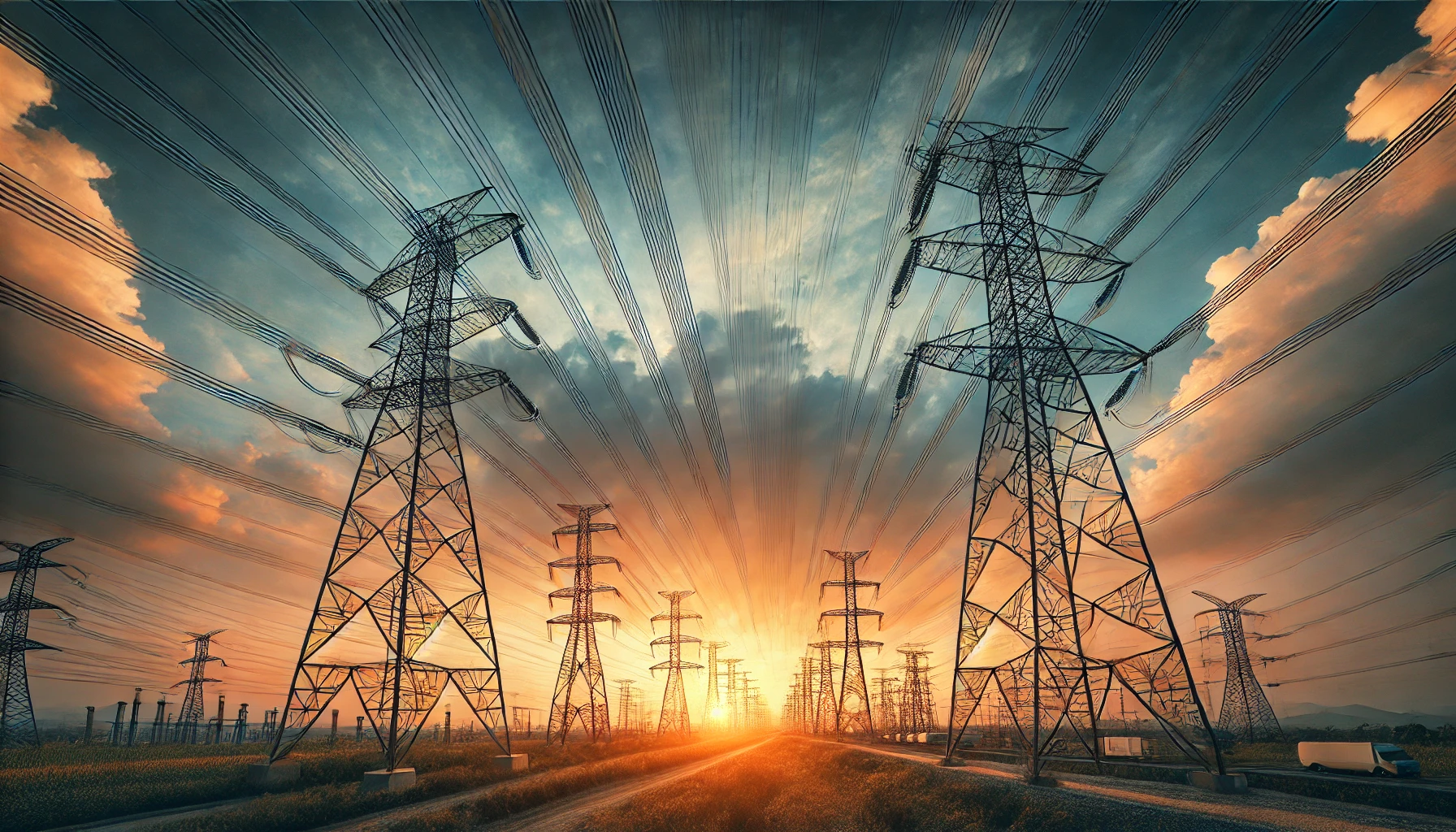
The new large power transformer factory in Karjan, Vadodara is therefore not just another industrial capex announcement. It is tied directly to India’s power-system bottleneck. India is planning significant transmission investment to integrate more than 900 GW of non-fossil fuel-based energy by 2035. That kind of renewable buildout requires transformers, substations, high-voltage systems, reactive power equipment and grid-control technologies. Without the grid, renewable capacity is only a nice spreadsheet with sunlight.
For Hitachi Energy India Limited, the expansion also reinforces Gujarat as a major manufacturing hub. The new facility will complement the company’s existing footprint across power, dry distribution and traction transformer factories in Gujarat, along with transformer insulation and components facilities in Mysuru and Halol. This cluster strategy matters because large power transformers require skilled labour, supplier networks, logistics coordination, testing infrastructure and deep engineering control.
How could the ₹2,000 crore investment strengthen Hitachi Energy India Limited’s competitive position?
The ₹2,000 crore investment strengthens Hitachi Energy India Limited’s competitive position by expanding local capacity in a market where supply constraints can become a serious advantage for established players. Large power transformers are not ordinary electrical goods. They require engineering capability, quality assurance, long production cycles, customer qualification and reliability standards that are difficult for new entrants to replicate quickly.
This gives Hitachi Energy India Limited a strong strategic position. The company is already embedded in India’s grid and power-technology ecosystem, and the new factory can deepen that position at a time when utilities, renewable developers, data-centre operators and industrial customers need faster delivery of high-quality equipment. If transformer demand remains strong, local manufacturing capacity can support better order conversion, shorter delivery timelines and stronger customer trust.
The investment also improves alignment with India’s Make in India and energy-security agenda. Power transformers are strategic infrastructure products, and domestic manufacturing helps reduce dependence on imports during periods of global supply-chain tightness. For customers, local capacity can mean better serviceability and faster execution. For Hitachi Energy India Limited, it can mean stronger participation in both domestic demand and export-linked opportunities from India.
Why are artificial intelligence data centres becoming part of the transformer demand story?
Artificial intelligence data centres are becoming a major part of the transformer demand story because digital infrastructure is electricity-hungry. Artificial intelligence workloads require large computing clusters, cooling systems, backup infrastructure and stable high-quality power. As data-centre capacity expands, power systems need to deliver reliable electricity at scale, often with redundancy, grid stability and fast commissioning timelines.
Hitachi Energy India Limited’s new factory is designed to support applications including artificial intelligence data centres, HVDC systems, high-voltage transmission and power generation. That is strategically important because transformer demand is no longer driven only by utilities and conventional power plants. The buyer universe is widening to include hyperscale data-centre developers, industrial electrification customers, renewable-energy projects and urban grid operators.
This broadening of demand supports the company’s valuation narrative, but it also raises execution expectations. Data-centre clients can require high reliability, tight delivery schedules and strong service support. If Hitachi Energy India Limited can serve this demand from India with local scale and global technology support, the company could become a crucial infrastructure supplier to the country’s artificial intelligence and cloud buildout. Everyone talks about chips. Transformers quietly ask how those chips plan to stay powered.
How should investors read #POWERINDIA stock strength against the new expansion plan?
#POWERINDIA closed at ₹34,325 on June 12, 2026, compared with a 52-week high of ₹38,785 and a 52-week low of ₹16,111. The stock has nearly doubled over the past year and has also delivered strong six-month gains. That share-price performance shows that investors have already recognised Hitachi Energy India Limited as one of the cleanest listed plays on India’s grid expansion, electrification and power-equipment capex cycle.
The valuation, however, is demanding. Market data showed the stock trading at a price-to-earnings ratio above 150 and a price-to-book ratio near 30. Those numbers imply that investors are not merely paying for current earnings. They are paying for several years of strong order growth, execution discipline, margin resilience and capacity-led expansion. The ₹2,000 crore factory supports that long-term case, but it also raises the bar for future delivery.
The stock being below its 52-week high but far above its yearly low creates a balanced setup. Momentum remains strong, but disappointment risk is real. If order inflows, capacity utilisation and margins keep improving, the premium may look justified. If execution delays, cost overruns or margin pressure emerge, the valuation could become less forgiving. In a richly valued infrastructure stock, the grid may be stable, but sentiment can still trip.
What does the factory mean for Hitachi Energy India Limited’s order book and FY26 momentum?
Hitachi Energy India Limited entered the investment phase with strong FY26 momentum. The company reported full-year FY26 revenue of ₹8,147 crore and orders of ₹18,456 crore, while Q4 FY26 revenue stood at ₹2,754 crore and orders stood at ₹2,422 crore. That order base indicates that demand is already visible across the company’s power-technology portfolio.
The new factory is therefore being built into a market where demand signals are strong rather than speculative. The investment can support future growth by easing capacity constraints in large power transformers, which are critical for transmission, renewable integration and high-voltage projects. A stronger manufacturing base can also improve the company’s ability to participate in larger grid expansion programmes.
The important investor question is timing. The factory is scheduled for completion in FY28, which means the investment will not immediately change revenue. Near-term performance will still depend on the current order book, execution cycles, working capital and margin delivery. The factory becomes more important for medium-term capacity planning. Investors should treat it as a growth-enabling asset rather than a next-quarter earnings trigger.
What are the execution risks in Hitachi Energy India Limited’s Vadodara expansion?
The first execution risk is project delivery. A ₹2,000 crore factory for large power transformers involves land, construction, equipment installation, testing infrastructure, vendor readiness, labour mobilisation and regulatory compliance. Any delay could push back capacity availability and affect the market’s confidence in the company’s expansion roadmap.
The second risk is cost discipline. Capital-intensive manufacturing projects can face inflation in civil works, machinery, imported equipment, skilled labour and supply-chain components. If project costs rise materially, the return profile could weaken. Hitachi Energy India Limited must ensure that capacity expansion does not dilute return on capital once the factory becomes operational.
The third risk is demand timing. India’s grid investment cycle looks structurally strong, but actual orders can still move unevenly depending on utility tendering, renewable project schedules, financing, land acquisition and transmission approvals. If transformer demand remains tight when the factory comes online, the investment could generate strong strategic value. If demand softens or competitors add capacity aggressively, the economics may take longer to mature.
How could the investment affect competition in India’s power-equipment manufacturing market?
The investment could intensify competition in India’s power-equipment manufacturing market by raising the capacity and technology benchmark for large power transformers. Established players in transformers, switchgear, grid automation and transmission equipment will need to respond to rising demand from utilities, renewables, data centres and industries. Companies that can combine high-voltage technology, local manufacturing and delivery reliability are likely to gain share.
Hitachi Energy India Limited’s advantage lies in its global technology base, long India operating history and deep presence across grid segments. However, competitors will not leave the opportunity uncontested. India’s power capex cycle has become too large to ignore, and domestic manufacturers may expand capacity in transformers, conductors, cables, substations and grid-control equipment.
The broader sector implication is positive. More local transformer capacity can support faster grid expansion, reduce import dependence and improve supply-chain resilience. For policymakers, this matters because India’s clean-energy ambitions depend heavily on transmission readiness. For investors, it means the power-equipment cycle may have more legs, although not every player will capture the same economics.
What should #POWERINDIA investors watch after the Vadodara investment announcement?
Investors should first watch execution milestones for the Karjan factory. Updates on construction progress, commissioning timelines, capacity details and customer pipeline will help the market judge whether the FY28 completion schedule remains credible. The more precise the disclosure, the easier it becomes to value the investment.
The second area is order inflow quality. Hitachi Energy India Limited already has a strong order book, but investors should track whether new orders are coming from high-voltage transmission, HVDC, renewable integration, data centres and industrial electrification. These segments can support the factory’s strategic relevance and improve revenue visibility.
The third area is margin and working-capital discipline. Large power equipment businesses can be profitable, but they are also working-capital intensive. Customer advances, inventory, receivables, project execution and testing timelines will matter. The stock’s premium valuation means investors will expect not only growth, but high-quality growth. The transformer factory is a major strategic move. The next question is whether the company can convert it into returns that are as strong as the voltage it plans to handle.
Key takeaways on Hitachi Energy India Limited’s Vadodara transformer factory and #POWERINDIA outlook
- Hitachi Energy India Limited will invest approximately ₹2,000 crore to establish a new large power transformer factory in Karjan, Vadodara.
- The facility is scheduled for completion in FY28 and will strengthen the company’s manufacturing footprint in Gujarat.
- The factory will support high-voltage transmission, HVDC systems, power generation, artificial intelligence data centres and large industrial applications.
- The investment is strategically aligned with India’s transmission buildout, renewable integration and rising electricity demand across industrial and digital infrastructure.
- #POWERINDIA closed at ₹34,325 on June 12, 2026, far above its 52-week low but below its 52-week high, showing strong investor confidence with some valuation caution.
- The stock trades at a demanding valuation, making execution, order conversion and margin delivery critical for sustaining market confidence.
- Hitachi Energy India Limited’s FY26 order base and revenue momentum provide a strong operating backdrop for the expansion.
- The new factory could improve local supply-chain resilience and reduce dependence on imported large power transformers during India’s grid investment cycle.
- Key risks include project delays, capex inflation, demand timing, competitive capacity additions and working-capital pressure.
- The next market trigger for #POWERINDIA will be whether the Vadodara factory progresses on schedule while order inflows from grid, HVDC, renewables and data-centre customers remain strong.
Discover more from Business-News-Today.com
Subscribe to get the latest posts sent to your email.