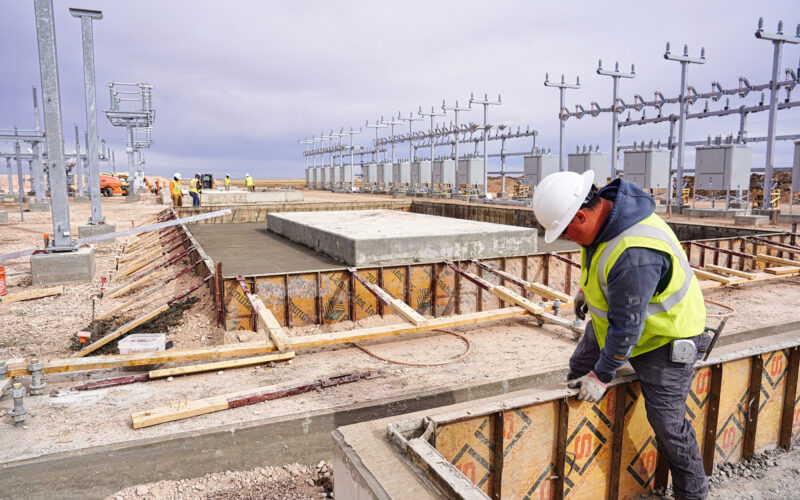
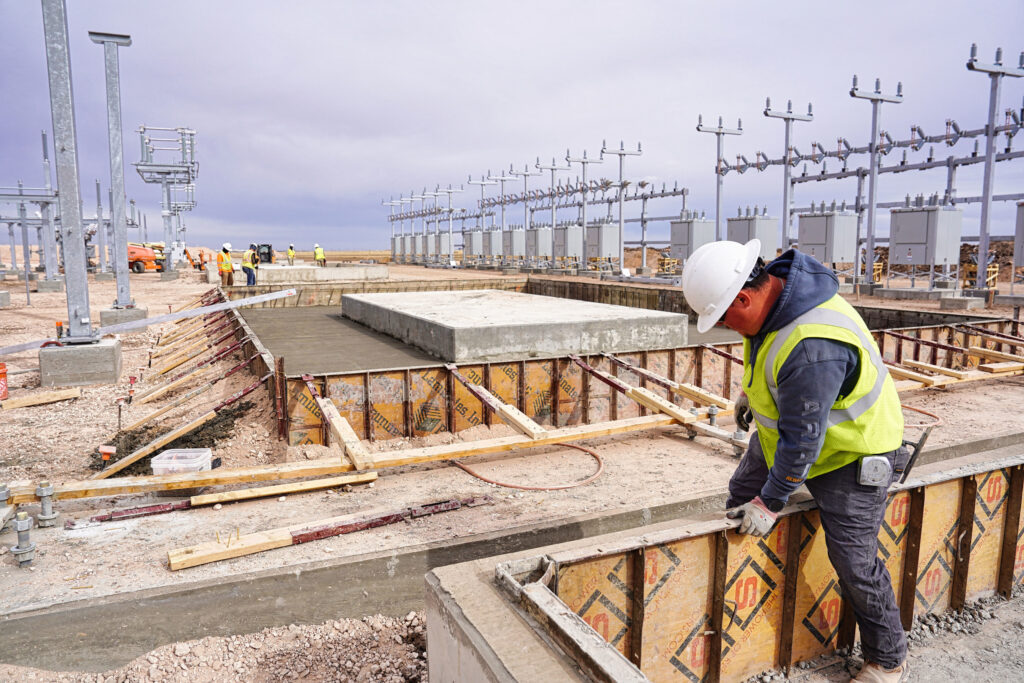
Fermi Inc. (NASDAQ: FRMI), operating as Fermi America, announced plans to file an additional 5-gigawatt Clean Air Permit with the Texas Commission on Environmental Quality as part of an expansion of its Project Matador energy campus near Amarillo, Texas. The move follows the recent approval of a 6-gigawatt natural gas permit and signals the company’s intention to scale the private power project to roughly 17 gigawatts of total generation capacity. The campus is being developed in partnership with the Texas Tech University System and is designed to combine natural gas, nuclear, solar, and battery generation within a dedicated behind-the-meter infrastructure model. For energy markets and technology infrastructure investors, the expansion highlights the accelerating shift toward privately financed power generation designed to serve hyperscale data centers and other high-intensity industrial loads.
The new filing, expected within weeks, would allow the Project Matador campus to expand beyond its original power projections, positioning it as one of the largest privately operated energy campuses ever proposed in the United States. The project’s targeted energy mix includes approximately 11 gigawatts of natural gas generation, 4.4 gigawatts of nuclear capacity, and additional renewable and storage resources.
This strategy places Fermi Inc. squarely within one of the fastest-emerging themes in global energy infrastructure: the race to supply reliable power for artificial intelligence computing clusters, data centers, and advanced manufacturing operations that are rapidly outgrowing the capacity of existing public electricity grids.
Why is Fermi Inc. expanding Project Matador to 17GW as AI infrastructure drives unprecedented electricity demand?
The decision to scale Project Matador reflects a structural shift in global electricity consumption patterns. Artificial intelligence training clusters, advanced semiconductor fabrication, and hyperscale cloud computing facilities are pushing electricity demand to levels that regional public grids were not originally designed to support.
Large AI data centers can require hundreds of megawatts of continuous power. When clusters are deployed at hyperscale levels across dozens of facilities, the electricity requirement begins to rival that of mid-sized cities. This emerging demand profile is forcing infrastructure developers to rethink how energy generation is financed, located, and delivered.
Fermi Inc.’s approach focuses on private, behind-the-meter generation. Instead of relying on public utilities, the company intends to deliver dedicated electricity directly to industrial tenants located on or near the campus. In practical terms, this model attempts to bypass grid congestion while offering power reliability that hyperscale technology companies increasingly demand.
Chief executive officer Toby Neugebauer suggested in company statements that the United States faces a widening gap between electricity demand growth and the pace of public grid expansion. The company argues that private energy campuses represent one solution to the mismatch.
From an infrastructure perspective, this approach resembles the industrial power ecosystems that historically supported aluminum smelters, petrochemical plants, and heavy manufacturing complexes. The difference today is that the new power demand comes from digital infrastructure rather than traditional industry.
How does the new Clean Air Permit filing reshape the regulatory pathway for large private power grids in Texas?
The regulatory structure behind Project Matador is central to the project’s feasibility. Large power generation projects in the United States must obtain air permits that confirm compliance with federal Clean Air Act standards and state emissions rules.
The Texas Commission on Environmental Quality granted final approval earlier this year for a 6-gigawatt natural gas Clean Air Permit covering the first phase of the campus. That permit effectively cleared the regulatory hurdle required to begin vertical construction of generation assets.
The new 5-gigawatt permit filing represents the next step in scaling the campus beyond its original footprint.
For infrastructure investors, the significance lies not only in the size of the project but also in the regulatory precedent. Texas has historically maintained one of the most permissive environments for large energy projects, especially those aligned with economic development goals.
Project Matador could become a test case for how large-scale private energy campuses are permitted in the future. If regulators continue approving incremental capacity additions, the model may become replicable across other states attempting to attract data center investments.
The environmental review process for such projects typically includes emissions modeling, technical engineering review, and public consultation periods. Successful completion of those steps would allow construction to proceed at the expanded capacity level.
What does the Project Matador energy mix reveal about the future of hybrid power infrastructure for hyperscalers?
The generation portfolio proposed for Project Matador reflects a hybrid strategy increasingly visible across energy markets.
The largest share of the planned capacity comes from natural gas. Gas turbines remain one of the most flexible and scalable options for delivering continuous baseload electricity. Their relatively fast construction timelines also make them attractive for projects responding to near-term demand spikes.
The campus is also designed to incorporate nuclear power generation, which provides long-duration baseload output without direct carbon emissions. Nuclear assets are increasingly viewed as a stabilizing component of energy systems serving data center clusters that require uninterrupted electricity.
Solar and battery storage systems are expected to complement these sources by contributing renewable generation and grid balancing capability.
This diversified energy portfolio reflects the reality that no single technology currently meets all hyperscale power requirements. Data centers require uninterrupted supply, high capacity factors, and predictable pricing. Hybrid systems combining multiple generation technologies are emerging as the most practical solution.
For energy developers, the implication is clear. Projects that can integrate multiple power sources while maintaining operational reliability will likely dominate the next generation of infrastructure investments.
Could private energy campuses become a defining feature of the AI economy?
The rise of projects like Project Matador signals a broader structural change in how electricity infrastructure is financed and deployed.
Historically, power generation expansion has been coordinated primarily through regulated utilities and public grid planning processes. That approach is often slow because it requires regulatory approvals, transmission planning, and complex cost-allocation mechanisms.
Private power campuses represent an alternative path. By directly linking generation to specific industrial tenants, developers can shorten project timelines and reduce dependence on regional grid upgrades.
The approach also transfers financial responsibility away from public ratepayers. Instead of utilities funding infrastructure through electricity tariffs, the project is financed through private capital and long-term power purchase agreements with industrial customers.
For policymakers, this shift raises strategic questions. On one hand, private generation can accelerate infrastructure deployment. On the other hand, it may reshape the economics of public utilities if large energy consumers begin migrating toward private energy ecosystems.
The concept resembles the “bring your own power” approach increasingly discussed within energy policy circles as electricity demand accelerates.
What execution risks and financial challenges could shape Project Matador’s long-term viability?
Despite the scale of the ambition, large energy infrastructure projects rarely proceed without complications.
Construction risk is the most immediate concern. Building gigawatt-scale generation assets requires coordination across engineering, procurement, permitting, and financing. Delays in any one of those areas can cascade into significant cost overruns.
Fuel supply stability is another factor. Although natural gas remains abundant in the United States, long-term price volatility can affect the economics of gas-heavy generation portfolios. Nuclear development presents additional complexity. Licensing timelines, technology selection, and financing models for nuclear generation can introduce multi-year delays if regulatory hurdles arise.
Market risk also exists. Hyperscale tenants may delay or relocate data center investments if economic conditions change or if new energy policies alter infrastructure incentives. Nevertheless, the early progress of Project Matador suggests the developers are attempting to mitigate some of these risks. The company has already secured long-lead natural gas generation assets and has begun construction work on initial campus infrastructure.
From a strategic standpoint, the project represents a bet that electricity demand growth from digital infrastructure will remain strong for decades.
How might the expansion of Project Matador influence broader energy infrastructure investment trends in the United States?
If Project Matador proceeds as envisioned, it could reshape how energy developers approach large industrial electricity demand. Gigawatt-scale private power campuses would effectively create a new infrastructure category somewhere between traditional power plants and industrial megaprojects.
Such developments could attract significant capital from infrastructure funds, private equity firms, and technology companies seeking greater control over their electricity supply chains. States with favorable regulatory environments and access to natural gas pipelines may compete to host similar projects, particularly if they aim to attract hyperscale data center investment.
Texas appears well positioned in this competition. The state already benefits from extensive natural gas resources, large land availability, and a regulatory environment historically supportive of energy infrastructure expansion. For the technology sector, the emergence of these energy campuses may become a defining factor in site selection for future data center clusters.
Key takeaways: What the expansion of Project Matador could mean for energy infrastructure and AI-driven electricity demand
- Fermi Inc.’s plan to expand Project Matador to 17 gigawatts signals a growing shift toward privately financed power infrastructure for hyperscale computing demand.
- Artificial intelligence and advanced computing are rapidly becoming major drivers of electricity consumption in the United States.
- Private energy campuses may allow industrial customers to bypass grid constraints and secure dedicated power supply.
- Texas continues to strengthen its position as a preferred destination for large-scale energy infrastructure projects.
- Hybrid energy portfolios combining natural gas, nuclear, solar, and storage are emerging as the preferred model for hyperscale power reliability.
- Regulatory approvals from the Texas Commission on Environmental Quality represent critical milestones that determine the pace of construction.
- Infrastructure investors may increasingly view energy-linked data center ecosystems as a long-term investment opportunity.
- Execution risks remain significant due to construction complexity, fuel price volatility, and evolving regulatory frameworks.
- If successful, Project Matador could become a blueprint for the next generation of private energy infrastructure supporting the digital economy.
Discover more from Business-News-Today.com
Subscribe to get the latest posts sent to your email.