



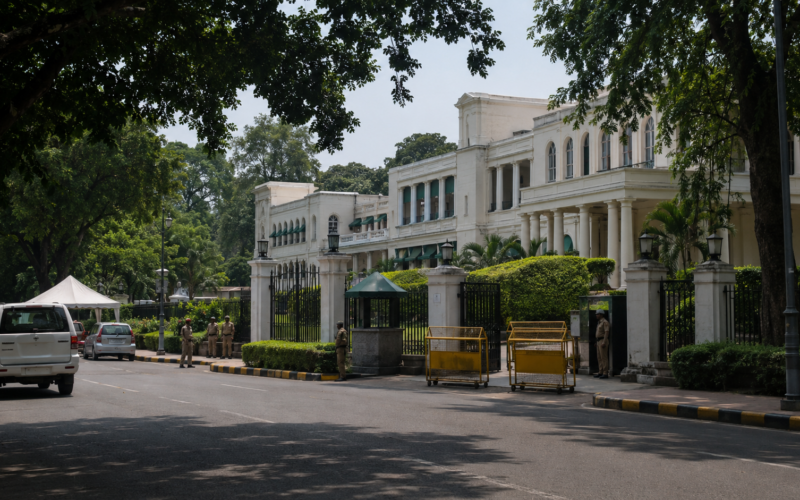
The Central Government has directed the Delhi Gymkhana Club to hand over its 27.3 acre premises on Safdarjung Road by June 5, 2026, citing the need to strengthen defence infrastructure and support other vital public security purposes in one of the most sensitive administrative zones of New Delhi.
The order was issued through the Land and Development Office under the Ministry of Housing and Urban Affairs. The government’s communication said the premises, located in a strategically sensitive part of Lutyens’ Delhi, were required for defence infrastructure, governance infrastructure, institutional needs and public interest projects. The Delhi Gymkhana Club sits close to the Prime Minister’s residence on Lok Kalyan Marg, giving the land parcel heightened security relevance in the government’s stated reasoning.
The directive marks one of the most significant land resumption moves involving an elite colonial era institution in the national capital. The Delhi Gymkhana Club was originally leased to the Imperial Delhi Gymkhana Club Limited, now known as Delhi Gymkhana Club Limited, for the purpose of maintaining a social and sporting club. Nearly a century later, the government has invoked its authority over the land and asked the club to hand over the full premises, including buildings, lawns, structures and fittings.
The move comes against the backdrop of a long running governance dispute between the Central Government and Delhi Gymkhana Club. That dispute has involved allegations of mismanagement, violations of company law and questions over whether the club’s functioning remained aligned with the public purpose for which the land had originally been leased.
Why has the Central Government ordered Delhi Gymkhana Club to hand over its Safdarjung Road premises?
The Central Government has said the Delhi Gymkhana Club land is required for strengthening and securing defence infrastructure and other vital public security purposes. The Land and Development Office has asked Delhi Gymkhana Club to hand over possession by June 5, 2026.
The official reasoning places the land within a national security and public interest framework. The 27.3 acre estate is located at 2, Safdarjung Road, in Lutyens’ Delhi. The location matters because Lutyens’ Delhi contains the core institutions of India’s executive, diplomatic and security architecture. Any large land parcel near the Prime Minister’s residence and central government facilities becomes strategically valuable from a governance and security perspective.
The order is not being framed merely as a property dispute. The government has linked the resumption of the land to defence infrastructure, public security and urgent institutional needs. This gives the issue a wider public policy character, especially because the land was originally leased for a club and is now being reclaimed for state use.
For the Delhi Gymkhana Club, the order creates an immediate institutional crisis. The club has been asked to surrender the entire premises within a short timeline. If the order is enforced, the club’s operations at the site could come to an end unless there is judicial intervention or a negotiated administrative outcome.
How does the Delhi Gymkhana Club order fit into the wider dispute over elite institutions and public land?
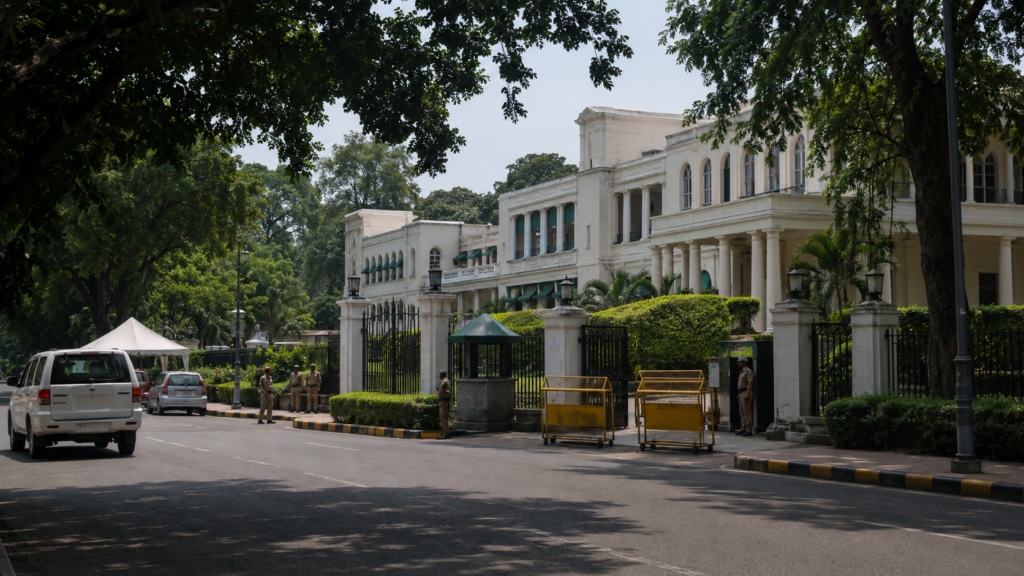
The Delhi Gymkhana Club order fits into a broader debate over government owned land, colonial era institutions and the use of prime urban property in New Delhi. The club has long been one of the most exclusive social institutions in the capital, with membership historically associated with senior civil servants, defence officials, business leaders and influential residents of Delhi.
The government’s action is significant because Delhi Gymkhana Club is not an ordinary private club operating on privately owned land. The premises were leased by the government for a specified purpose. That lease history gives the state a direct institutional interest in how the land is used, whether the terms of the lease are being followed and whether the land should continue to remain with the club.
The dispute also reflects a long running governance conflict. The Ministry of Corporate Affairs had earlier moved against the club over alleged mismanagement and public interest concerns. The National Company Law Tribunal had allowed government involvement in the management of Delhi Gymkhana Club, placing the club under a government nominated administrative structure.
The latest land resumption order therefore comes after years of scrutiny. The government’s position is that the property is needed for public purposes that outweigh the club’s continued occupation. The club’s members and staff are likely to view the move as a major disruption to a historic institution. That clash between heritage, elite access, public land and state priorities is what makes the decision politically and administratively sensitive.
Why does the Delhi Gymkhana Club location near Lok Kalyan Marg matter for national security planning?
The location of Delhi Gymkhana Club near Lok Kalyan Marg matters because central Delhi is not only a residential and civic district. It is also the physical core of India’s national government. Ministries, official residences, diplomatic zones, security establishments and high value government sites are concentrated within and around Lutyens’ Delhi.
The government has linked the Delhi Gymkhana Club land to defence infrastructure and other public security needs. That language indicates that the state is viewing the site through a strategic planning lens rather than only as a leased property. A large continuous parcel of 27.3 acres in central Delhi is rare, and its proximity to sensitive government infrastructure increases its public value from the government’s perspective.
The order also reflects a broader urban governance question: how should central government land in New Delhi be allocated when legacy lease arrangements no longer match current security, institutional or infrastructure priorities? That question is likely to become more important as the capital’s administrative needs expand and security planning becomes more complex.
For policymakers, the case may become a precedent in how the government evaluates older leases, elite institutions and properties in sensitive zones. For private or quasi private institutions holding government land, the Delhi Gymkhana Club order sends a clear signal that location, lease purpose and public interest arguments can converge into direct state action.
What legal and institutional questions could emerge from the Delhi Gymkhana Club handover order?
The Delhi Gymkhana Club handover order could raise several legal and institutional questions if the club challenges the directive. The key question will be whether the government’s resumption action is valid under the lease terms and whether the Land and Development Office has followed the required administrative process.
The club may argue that its historic lease rights, institutional continuity and ongoing operations deserve protection. The government is likely to rely on lease conditions, public interest, national security needs and the state’s authority over government owned land. Courts may have to examine the lease language, prior litigation, government notices and the proportionality of the handover timeline.
The matter could also revisit the relationship between company law proceedings and land resumption. Delhi Gymkhana Club had already been under scrutiny over governance and management issues. If the land order is challenged, the club’s legal history, the government’s earlier intervention and the present security based reasoning may all become relevant.
Employees, members and vendors may also be affected by the outcome. Reports have indicated concern among staff over uncertainty. While the government’s order is framed around public security and institutional needs, the operational consequences for employees and club users are immediate.
The larger institutional issue is whether this case becomes a one off security driven action or part of a wider government review of high value public land occupied by legacy private institutions in the capital.
Why does the Delhi Gymkhana Club decision matter beyond one club in New Delhi?
The Delhi Gymkhana Club decision matters beyond one club because it sits at the intersection of public land governance, state security planning, colonial era institutional legacies and the future use of prime government assets in Indian cities.
In one reading, the order is about a specific land parcel required for national security and public purposes. In another reading, the order marks a deeper shift in how the government views elite institutions occupying valuable public land in sensitive locations. That second reading is why the story has wider current affairs significance.
The decision also raises a governance issue familiar to many capital cities: old institutional arrangements often survive long after the original logic for them has weakened. When land becomes more strategically valuable, governments face pressure to reassess whether legacy users should continue occupying it.
For Delhi Gymkhana Club, the order could threaten continuity at its historic site. For the government, the order asserts the primacy of defence and public security needs over a private club’s continued use of government land. For the broader public, the case may reopen debate over who benefits from prime public assets and how the state should balance heritage, access, security and public interest.
The June 5 deadline now becomes the immediate focal point. Whether Delhi Gymkhana Club complies, seeks legal relief or negotiates with the government will determine whether the dispute remains an administrative handover or escalates into a major court battle over land, power and public purpose in the heart of New Delhi.
What are the key takeaways from the Delhi Gymkhana Club land handover order?
- The Central Government has ordered Delhi Gymkhana Club to hand over its 27.3 acre premises on Safdarjung Road by June 5, 2026. The order was issued by the Land and Development Office under the Ministry of Housing and Urban Affairs.
- The government has cited defence infrastructure and other vital public security purposes as the reason for reclaiming the land. The location near Lok Kalyan Marg gives the property strategic importance within Lutyens’ Delhi.
- Delhi Gymkhana Club was originally leased the land for maintaining a social and sporting club. The government’s latest action shifts the issue from club operations to public land use and national security planning.
- The order comes after years of governance disputes involving Delhi Gymkhana Club. Earlier proceedings included government scrutiny over alleged mismanagement, company law violations and questions of public interest.
- The directive could trigger legal action if Delhi Gymkhana Club challenges the handover order. A court dispute may examine lease terms, government authority, due process and the public interest basis for resumption.
- The case has wider implications for elite institutions occupying government land in central Delhi. The decision may influence how legacy leases are reviewed when land is required for security, governance or institutional purposes.
Discover more from Business-News-Today.com
Subscribe to get the latest posts sent to your email.