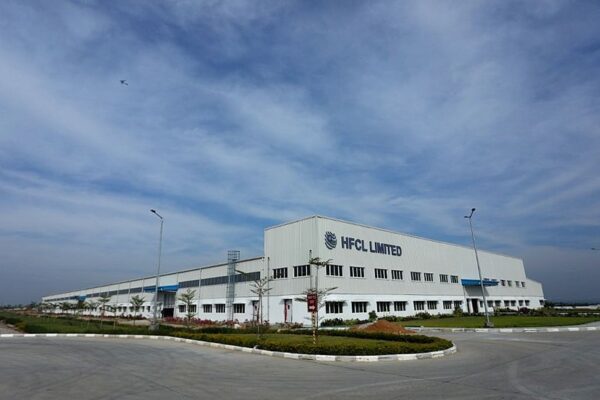


CPS Technologies Corp. (NASDAQ: CPSH) has signed a long-term lease for an 80,000-square-foot advanced manufacturing facility in Attleboro, Massachusetts, approximately doubling the size of its current Norton operation and creating additional capacity for products serving defence, energy infrastructure, electronics and artificial intelligence-related applications. The company plans to relocate its corporate offices, manufacturing and product-development operations to the new site, which is less than ten minutes from its existing facility.
Dacon Corporation is overseeing architectural and engineering design, including the mechanical, electrical, plumbing and industrial-gas infrastructure needed for CPS Technologies’ manufacturing processes. The company has not disclosed the lease duration, annual rental expense, relocation cost or precise timetable for beginning full production at Attleboro, so the financial cost of doubling its physical footprint remains an important unresolved part of the expansion.
The scale nevertheless matters for a business that generated only US$8.3 million of second-quarter revenue. CPS Technologies is making a facility commitment substantially larger than its existing footprint because management expects demand from established metal-matrix-composite and hermetic-packaging products alongside newer defence and advanced-material programmes to require more production and development space.
Why does CPS Technologies need roughly twice as much space?
The new facility will support both existing production and emerging product lines including AlMax materials, HybridTech Armor and QuickSet Injection Molding of tungsten. CPS Technologies also develops metal-matrix composites used for thermal management and structural applications and hermetic packaging for high-reliability electronics.
Several of those markets have moved beyond general research themes. CPS Technologies disclosed in its second-quarter results that funded development work includes a controlled-fragmentation tungsten warhead programme for the U.S. Army and a U.S. Navy-funded initiative aimed at reducing the weight of the Amphibious Combat Vehicle.
Those programmes do not guarantee large production contracts, but they illustrate why management wants manufacturing flexibility before commercialization opportunities arrive. Defence customers can require specialised materials, production processes and qualification work that are difficult to add quickly if factory capacity is already constrained.
Energy infrastructure provides another growth route. CPS Technologies’ metal-matrix composites are used in high-voltage direct-current and related power applications where thermal performance and reliability are important, while artificial-intelligence infrastructure adds potential demand for sophisticated thermal-management materials used around high-performance electronics.
Can CPS Technologies afford the Attleboro expansion?
The company entered the lease negotiations from a much stronger liquidity position after completing a registered direct equity offering in May. CPS Technologies sold 1.2 million shares at US$8 each, generating US$9.6 million of gross proceeds.
By the end of the second quarter, cash had increased to approximately US$15.4 million and marketable securities stood at about US$3.8 million, giving CPS Technologies combined cash and securities of approximately US$19.2 million. That compared with around US$13.2 million at the beginning of the year.
The improvement is important because relocation will likely consume cash before the larger facility generates incremental revenue. New manufacturing equipment, building modifications, duplicated production during transition, inventory buffers and moving costs can all create working-capital demands even when the underlying facility is leased rather than purchased.
CPS Technologies had already been preparing inventory for the move. Inventory rose to approximately US$8.6 million at the end of the second quarter from US$5.6 million at the beginning of the year, with management indicating that part of the increase reflected preparations intended to preserve customer service during relocation.
Does current revenue justify an 80,000-square-foot facility?
Second-quarter revenue increased modestly to US$8.3 million from US$8.1 million a year earlier, while gross margin declined to 14.8% from 16.5%. CPS Technologies recorded an operating loss of about US$200,000 but remained approximately breakeven at the net-income level.
The existing earnings therefore do not yet demonstrate that CPS Technologies requires twice its current manufacturing area based solely on present revenue. The decision is fundamentally forward-looking: management is building room for potential higher-volume programmes and new product commercialization rather than responding only to current quarterly sales.
That creates both opportunity and risk. If defence, power-infrastructure and advanced-material opportunities convert into production orders, the additional capacity could remove an important bottleneck and allow the company to scale without another disruptive facility move. If customer programmes develop more slowly, the company could carry higher occupancy and relocation costs before revenue catches up.
The location reduces one execution risk because Attleboro is less than ten minutes from the Norton plant, allowing CPS Technologies to retain much of its existing workforce and shift operations without relocating the organization across the country.
For a company with US$8.3 million of quarterly revenue, an 80,000-square-foot commitment is a meaningful operating decision. The stronger balance sheet provides room to make it, but the real payoff depends on whether funded development programmes and emerging materials businesses move from engineering opportunities into repeat production fast enough to fill the capacity CPS Technologies is now creating.
Discover more from Business-News-Today.com
Subscribe to get the latest posts sent to your email.