




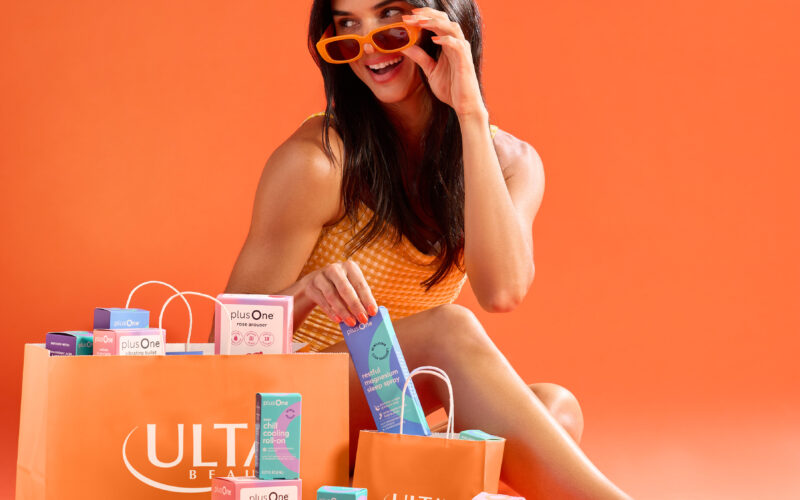
PlusOne has launched a broad assortment of intimate wellness products across more than 1,300 Ulta Beauty stores in the United States, giving parent company Beacon Wellness Brands access to one of the country’s most influential beauty retail networks. The July 28, 2026 rollout includes personal massagers, intimate care products and menopause-focused products, with additional PlusOne items available through Ulta Beauty’s digital channels. The partnership places the brand alongside skincare, body care, supplements and other everyday wellness categories rather than isolating it within a specialist adult-products environment. For Ulta Beauty, Inc. (NASDAQ: ULTA), the launch strengthens a wellness assortment that is becoming increasingly important to its efforts to attract shoppers beyond traditional cosmetics. The central commercial test is whether increased visibility and easier access can produce sustained repeat demand rather than a temporary burst of consumer curiosity.
Why does PlusOne’s launch across more than 1,300 Ulta Beauty stores matter strategically?
The immediate significance is distribution scale. Beacon Wellness Brands said the initial assortment includes the Rose Arouser, Vibrating Bullet, Menopause Massager and Cooling Hydration Mist, among other products. These items are being offered in Ulta Beauty stores nationwide and online, giving PlusOne a physical presence within a retailer that consumers generally associate with beauty discovery, personal care expertise and loyalty-led shopping.
Ulta Beauty’s website showed 24 PlusOne products around the launch, although the availability of individual items varied between stores, online channels and app-based early access. Listed prices for the visible assortment ranged from $9.99 for cooling menopause-care products to more than $40 for selected devices, positioning PlusOne within an accessible part of the intimate wellness market rather than the premium luxury segment.
That pricing architecture matters because PlusOne’s historical advantage has been mass-market accessibility. The brand is already sold through Walmart, Target, CVS, Walgreens, Meijer and Amazon, while Beacon Wellness Brands said its wider portfolio reaches more than 26,000 retail locations. The Ulta Beauty launch is therefore not primarily about obtaining national distribution for the first time. It is about changing the context in which consumers encounter the brand.
A product displayed near beauty, body care and women’s wellness merchandise may attract a different customer occasion from the same product stocked in a pharmacy, supermarket or mass retailer. Ulta Beauty also provides a discovery-oriented environment where shoppers routinely browse new categories, compare brands and earn rewards across multiple purchases. That environment could help PlusOne broaden its identity from a device-focused brand into a wider intimate wellness platform.
How does the Ulta Beauty partnership change PlusOne’s position beyond mass and drug retail?
PlusOne became a central part of Beacon Wellness Brands after private equity firm Yellow Wood Partners acquired several brands from Clio in 2022. Yellow Wood Partners described PlusOne at the time as the anchor brand for a broader sexual wellness platform that could be expanded through additional products, wider distribution and potential acquisitions.
Beacon Wellness Brands has since worked to extend PlusOne into women’s intimate wellness, including products connected to menopause, personal care and broader physical comfort. Maria Warrington, who previously served as chief financial officer and chief operating officer, became chief executive officer of Beacon Wellness Brands in 2024 as the company pursued that expansion.
The Ulta Beauty agreement provides a practical test of this strategy. Products such as the Menopause Massager, Cooling Hydration Mist, cooling roll-on and menopause patches sit closer to Ulta Beauty’s conventional wellness proposition than a portfolio consisting only of pleasure devices. Their inclusion may allow Beacon Wellness Brands to reach consumers through health, comfort and self-care needs without abandoning the core category that originally built PlusOne’s retail presence.
This is an important distinction. PlusOne is not attempting to replace its mass and drugstore channels with Ulta Beauty. Instead, it is adding a retailer that can provide greater brand discovery, cross-category merchandising and association with a broader definition of beauty and wellness.
The commercial terms of the partnership were not disclosed. There is therefore no reliable basis for estimating the launch’s immediate revenue contribution, wholesale margin or minimum purchase commitments. For Beacon Wellness Brands, the more important early indicators will be store-level sell-through, replenishment frequency, online conversion and whether Ulta Beauty expands shelf space after reviewing initial performance.

Why is menopause support becoming an important bridge between beauty and intimate wellness?
Menopause products provide one of the clearest links between traditional beauty retail and intimate wellness. Consumers experiencing menopause may seek support across skincare, haircare, sleep, cooling, supplements, personal comfort and sexual wellbeing, creating a need that does not fit neatly within a single retail category.
Ulta Beauty already maintains dedicated menopause-care and women’s health sections within its wellness business. Its online menopause assortment includes PlusOne products alongside vitamins, patches, gummies and personal care products from other brands. This indicates that PlusOne is entering an existing category architecture rather than asking Ulta Beauty to create an entirely new shopping destination.
The strategic opportunity is cross-category spending. A shopper who initially visits Ulta Beauty for skincare or supplements may discover intimate wellness products through the same search, store visit or rewards account. Conversely, a customer attracted by the PlusOne launch may purchase complementary wellness or beauty products during the same transaction.
However, the menopause category also requires disciplined product positioning. Consumers may distinguish sharply between products offering temporary comfort, products marketed for general wellness and products making medical or therapeutic claims. Retailers and brands must communicate intended uses clearly and avoid allowing lifestyle language to imply clinical benefits that have not been established.
For PlusOne, credible category expansion will depend on whether consumers view the wellness-care products as useful additions rather than extensions created mainly to secure more shelf space. Product reviews, repeat purchase rates and the performance of consumable or replenishable products will become particularly important because devices typically have longer replacement cycles.
What does the PlusOne rollout reveal about Ulta Beauty’s broader merchandising strategy?
Ulta Beauty has been expanding its definition of the addressable beauty market. Its website now presents wellness as a major shopping category alongside makeup, skincare, haircare, fragrance and body care. Within wellness, customers can browse products connected to intimate care, sleep, stress relief, oral care, nutrition and women’s health.
The PlusOne launch therefore fits a wider effort to increase the number of consumer needs that can be served during a single Ulta Beauty visit. This could support traffic frequency and average spending by reducing the retailer’s dependence on highly discretionary colour cosmetics purchases.
The retailer has also been adding large brand partnerships as part of its Ulta Beauty Unleashed strategy. A separate agreement brought Bath & Body Works products to more than 600 Ulta Beauty stores in July 2026, illustrating how the company is using recognisable consumer brands to broaden assortment and generate new shopping occasions.
The timing is notable because Ulta Beauty’s shop-in-shop partnership with Target Corporation is due to conclude in August 2026. That agreement had extended Ulta Beauty’s reach into more than 600 Target locations. As that distribution channel ends, differentiated products and brand partnerships inside Ulta Beauty’s directly operated stores may become even more important for maintaining customer traffic and reinforcing the value of visiting a full Ulta Beauty location.
This does not mean PlusOne alone will materially replace the reach provided by Target. It does suggest that Ulta Beauty is building a denser assortment within its own ecosystem, supported by physical stores, digital channels and its loyalty programme.
How financially strong is Ulta Beauty as it expands into more wellness categories?
Ulta Beauty entered the partnership from a position of continued operating growth. Net sales increased 11.1% to $3.16 billion during the first quarter of fiscal 2026, which ended May 2, compared with $2.85 billion in the prior-year period. Comparable sales rose 5.3%, supported by a 3.7% increase in average ticket and a 1.6% increase in transactions.
Operating income increased 11.6% to $448.3 million, while diluted earnings per share rose 15.5% to $7.74. Gross margin improved to 40.1% from 39.1%, aided by lower inventory shrink and higher merchandise margin. Ulta Beauty maintained fiscal 2026 net sales growth guidance of 6% to 7% and comparable sales growth guidance of 2.5% to 3.5%.
Merchandise inventory reached $2.4 billion at the end of the quarter, up 12.5% from the previous year. Ulta Beauty attributed the increase partly to new brand launches, investment in priority categories, the acquisition of Space NK and the addition of 70 net new Ulta Beauty stores since the comparable period.
The inventory increase makes successful product selection important. New brand launches can improve traffic and customer excitement, but they also require effective demand forecasting, shelf productivity and markdown discipline. For PlusOne, the scale of the initial rollout suggests the launch is more meaningful than a small digital trial, although the ultimate financial contribution will depend on sales velocity.
How should investors interpret Ulta Beauty’s stock performance around the PlusOne launch?
Ulta Beauty shares closed at $501.52 on July 28, 2026, rising 4.37% during the session. The stock had gained 3.72% over five trading days and 10.28% over one month, but remained down 17.11% for the year. It was also almost 30% below its 52-week high of $714.97 reached in February 2026.
The company’s market capitalisation stood at approximately $22.05 billion based on the latest available price. The July 28 increase coincided with the PlusOne announcement, but there is no evidence that this comparatively small brand launch was the primary cause of the share-price movement. Ulta Beauty also traded during a broadly positive market session and had multiple ongoing operational and strategic catalysts.
Investor sentiment appears more constructive over the short term, judging by the recent five-day and one-month recovery. The negative year-to-date performance and large discount to the 52-week high, however, indicate that the market remains cautious about longer-term growth, consumer spending, competitive intensity and the returns generated by strategic investment.
The PlusOne agreement is unlikely to alter Ulta Beauty’s earnings outlook by itself. Its relevance lies in what it says about merchandising direction. Investors will receive stronger evidence if wellness partnerships collectively increase comparable sales, improve customer frequency and generate attractive inventory turnover without requiring excessive promotions.
What could determine whether the PlusOne and Ulta Beauty partnership delivers lasting growth?
The first requirement is effective in-store execution. Intimate wellness products must be visible enough to attract discovery while providing consumers with an appropriate level of discretion. Shelf placement, packaging, product education and inventory availability will influence whether shoppers feel comfortable purchasing the products in a mainstream beauty environment.
The second requirement is repeatable category demand. Devices can produce meaningful initial revenue, but they are generally purchased less frequently than skincare, supplements or consumable personal care products. PlusOne’s cooling mists, roll-ons, patches and future wellness-care launches could create more frequent purchasing occasions if consumers find them useful.
The third requirement is differentiation. Ulta Beauty already carries multiple sexual wellness and menopause-related brands. Its sexual wellness section contained dozens of products around the time of the PlusOne launch, meaning the brand must compete on product design, pricing, reviews, trust and retail availability rather than relying solely on novelty.
A further catalyst is expected in early 2027, when PlusOne plans to introduce products developed exclusively for Ulta Beauty. Exclusive products could provide the retailer with differentiated traffic while allowing Beacon Wellness Brands to test concepts with a beauty-focused audience. The value of exclusivity will nevertheless depend on whether the new products address genuine unmet needs and generate stronger sales than widely distributed alternatives.
The nationwide launch has already improved PlusOne’s distribution quality and brand visibility. What remains unresolved is the level of incremental demand created by the Ulta Beauty environment. The most useful proof points will be continued shelf presence, broader product placement, successful exclusive launches and evidence that the partnership produces repeat purchases rather than one-time experimentation.
What are the key business takeaways from PlusOne’s nationwide Ulta Beauty launch?
- PlusOne products are now available in more than 1,300 Ulta Beauty stores and through Ulta Beauty’s online channels.
- The launch includes pleasure devices, personal massagers, intimate care products and menopause-support products.
- Ulta Beauty’s website displayed 24 PlusOne products around the launch.
- The partnership gives PlusOne access to a discovery-led beauty environment beyond its established mass and drugstore channels.
- Beacon Wellness Brands already distributes products through more than 26,000 retail locations.
- The commercial terms and expected revenue contribution were not disclosed.
- Ulta Beauty is expanding wellness as a strategic adjacency to cosmetics, skincare, body care and supplements.
- Ulta Beauty reported 11.1% first-quarter fiscal 2026 sales growth and 5.3% comparable sales growth.
- Ulta Beauty shares recovered over the latest month but remained down materially in 2026.
- Exclusive PlusOne products planned for early 2027 will provide the next measurable test of the partnership.
Discover more from Business-News-Today.com
Subscribe to get the latest posts sent to your email.

