





Garlic is one of the most widely recognized natural remedies used across cultures for thousands of years. Known botanically as Allium sativum, this pungent, sulfur-rich herb has served as both a culinary staple and a powerful medicinal agent. While ancient civilizations used garlic for everything from plague prevention to wound healing, modern research confirms many of its traditional health claims—especially in the areas of heart disease, blood pressure regulation, immune support, and antimicrobial protection. As chronic diseases and antibiotic resistance rise globally, garlic continues to play a critical role in natural health strategies, supported by both traditional wisdom and scientific validation.
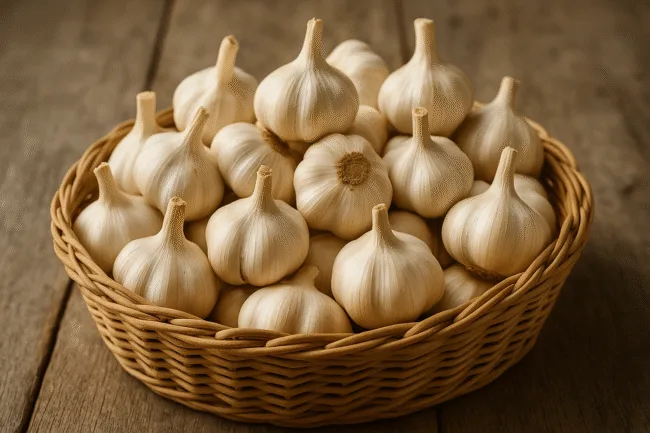
Garlic grows as a bulbous plant reaching two to three feet in height. Each underground bulb contains 8 to 10 cloves wrapped in papery skin. These cloves are where the plant stores its biologically active compounds. Garlic belongs to the Liliaceae family and is cultivated worldwide, including in India where it is known as Lahsun in Hindi, Rasuna in Bengali, and Velluli in Telugu. In Ayurveda and other traditional systems, garlic is considered a balancing agent, helping maintain heart vitality, digestive strength, and immune resilience.
What is the scientific explanation for how garlic helps reduce high blood pressure naturally?
One of garlic’s most thoroughly researched health effects is its ability to lower high blood pressure, also known as hypertension. This action is primarily attributed to allicin, a compound produced when garlic is chopped or crushed. Allicin relaxes blood vessels by promoting the release of nitric oxide, a molecule that dilates arteries and reduces vascular resistance. As a result, the heart doesn’t need to work as hard to pump blood through the body, leading to lower systolic and diastolic pressure levels.
Consuming raw garlic or high-quality garlic capsules has been shown to reduce blood pressure in individuals with hypertension, with effects comparable to some standard medications. Garlic also improves endothelial function, which refers to the ability of blood vessels to respond flexibly to changes in blood flow. When blood vessels are less stiff and more responsive, overall cardiovascular health improves, reducing the risk of heart attack and stroke. Traditional remedies often combine garlic paste with honey or roasted bread to deliver a daily tonic that promotes healthy circulation, and many such combinations are still widely used in home-based blood pressure management.
How does garlic help prevent heart attacks and improve cholesterol naturally?
Garlic’s benefits extend beyond blood pressure reduction. It plays a vital role in controlling blood cholesterol levels, especially by lowering LDL or “bad” cholesterol. High levels of LDL contribute to plaque formation along artery walls, a condition known as atherosclerosis. Garlic helps reduce this risk by decreasing LDL while supporting modest increases in HDL or “good” cholesterol, which helps remove excess fat from the bloodstream.
In addition, garlic inhibits platelet aggregation, meaning it reduces the tendency of blood cells to clump together and form clots. This antithrombotic effect is especially useful for people at risk of heart attacks or strokes due to clogged arteries. Furthermore, garlic stimulates overall blood flow and promotes arterial flexibility, helping reduce inflammation and oxidative damage in the vascular system. These mechanisms work in tandem to improve heart function, prevent the hardening of arteries, and support long-term cardiovascular health.
Why is garlic considered a natural immune booster with antimicrobial effects?
Garlic is renowned for its ability to strengthen the immune system and fight off a wide variety of infections. This immune-enhancing property is largely due to its sulfur compounds, particularly allicin, which exhibit antibacterial, antifungal, antiviral, and antiparasitic activities. Allicin interferes with the enzymes that pathogens need to survive, making garlic a broad-spectrum natural antibiotic that remains effective even against drug-resistant microbes.
For respiratory infections such as bronchitis, asthma, and chronic cough, garlic acts as a natural expectorant. It helps clear mucus from the lungs and eases symptoms by reducing inflammation and microbial load. Garlic juice has also been used traditionally to treat sore throats and relieve symptoms of tuberculosis-related cough. In the digestive tract, garlic works as an intestinal disinfectant by eradicating harmful microbes and worms, while supporting the beneficial bacteria that contribute to a healthy gut.
Applied topically, garlic juice helps prevent wound infections and accelerate healing when antibiotics are unavailable. Its antimicrobial nature makes it suitable for addressing skin infections, fungal issues, and even slow-healing ulcers. These properties support garlic’s enduring role as a go-to remedy in rural medicine and emergency care settings where conventional drugs may be limited or absent.
How does garlic regulate blood sugar levels and support metabolic health?
Another crucial health benefit of garlic is its ability to stabilize blood sugar levels, making it useful in managing type 2 diabetes and metabolic syndrome. Garlic exhibits hypoglycemic effects by increasing insulin sensitivity and improving the uptake of glucose by muscle cells. This means that after consuming carbohydrates, blood sugar spikes are lower and the pancreas does not need to release as much insulin to maintain balance.
Garlic also reduces inflammation in tissues that are often affected by elevated blood sugar, such as blood vessels, nerves, and eyes. By regulating glucose metabolism and supporting antioxidant activity, garlic slows down the progression of complications linked to diabetes. The presence of inulin, a prebiotic fiber found in garlic, further contributes to metabolic balance by promoting gut health and maintaining microbial diversity in the digestive tract. These mechanisms combine to help reduce insulin resistance and support overall energy regulation in the body.
What are the traditional uses of garlic for treating pain, inflammation, and nerve problems?
Garlic’s therapeutic applications are not limited to internal systems—it also has a long history of use in treating external and neural conditions. In cases of toothache caused by infection or decay, placing garlic pulp in the affected area can reduce pain and prevent bacterial growth. For nerve pain conditions such as trigeminal neuralgia, applying garlic oil behind the ears is believed to ease the discomfort. Similarly, in cases of earaches caused by rheumatism, inserting a small piece of garlic into the ear canal offers symptom relief.
Garlic also helps relieve chronic inflammatory conditions like arthritis, gout, and sciatica. When applied topically as a poultice, garlic promotes blood flow to inflamed joints and reduces swelling. Internally, its anti-inflammatory effects help regulate pain perception and inflammatory pathways. Traditional medicine systems have long used garlic to manage paralysis, muscle weakness, and neurological disorders, due to its stimulating effect on blood and nerve function. This traditional use is now supported by research into garlic’s role in modulating inflammatory markers and improving circulation to nerves and muscles.
Can garlic be used to enhance energy, mental clarity, or sexual health naturally?
Garlic has long been valued for its role in boosting vitality, improving mood, and restoring physical performance. In various traditional systems, garlic is considered a general tonic for the nervous system. It is thought to relieve fatigue, support concentration, and counteract symptoms of mental fog. When taken with salt, garlic is believed to calm hysteria, reduce nervous irritability, and strengthen mental resilience.
There is also a long-standing belief in garlic’s aphrodisiac properties. Its ability to improve blood circulation and stimulate hormone activity makes it a natural choice for people seeking to improve sexual function and libido. While modern clinical studies in this area are limited, many traditional formulations use garlic to increase stamina, energy, and reproductive health. Its influence on circulation and hormone modulation provides some biological plausibility for these traditional applications.
What do researchers say about garlic’s ability to prevent cancer and detoxify the body?
Emerging scientific evidence suggests that garlic may play a role in cancer prevention, particularly for cancers of the digestive system such as stomach, colon, and esophageal cancers. The sulfur compounds in garlic, including diallyl disulfide and S-allyl cysteine, have been shown to inhibit tumor cell proliferation, induce apoptosis in cancer cells, and enhance detoxification enzymes that remove carcinogens from the body. These actions help the body resist early stages of tumor development and prevent the progression of abnormal cells.
Garlic’s antioxidant properties further contribute to cancer prevention by protecting DNA and cellular structures from damage caused by free radicals. Its anti-inflammatory effects also reduce chronic inflammation, which is a known risk factor in many types of cancer. While garlic is not a substitute for medical cancer treatment, it holds potential as a dietary ally in holistic prevention strategies that include nutrient-dense foods, physical activity, and stress management.
How should garlic be consumed for optimal therapeutic benefits in daily life?
Garlic can be used in many forms, including raw cloves, juice, tinctures, oils, and capsules. Raw garlic is the most potent form, as crushing or chopping it activates allicin, the compound responsible for its most significant health effects. However, due to its strong taste and odor, many people prefer odorless garlic capsules or tinctures that preserve its bioactivity while improving palatability.
Garlic can also be added to food during the final stages of cooking to retain its medicinal properties. When used topically, garlic juice or poultices can be applied to painful joints, skin lesions, or areas of nerve inflammation. The key is consistent use over time, as garlic works gradually to build up health defenses and support the body’s natural healing processes. For chronic health conditions, supervised supplementation may be ideal, while occasional raw garlic consumption can serve as part of preventive self-care.
Why is garlic still considered one of the most effective natural remedies today?
Garlic’s affordability, availability, and low risk of side effects make it one of the most accessible and sustainable remedies available worldwide. Often referred to as the “poor man’s antibiotic,” garlic offers remarkable healing power at a fraction of the cost of pharmaceutical drugs. As modern medicine grapples with lifestyle diseases, drug resistance, and rising healthcare costs, garlic remains a simple, effective, and time-tested ally in promoting resilience and wellness.
In conclusion, garlic is not just a flavorful spice or folk remedy—it is a powerful therapeutic plant backed by centuries of traditional use and an expanding body of scientific evidence. Its role in lowering blood pressure, supporting cardiovascular health, regulating blood sugar, fighting infections, relieving pain, and potentially preventing cancer makes garlic an indispensable tool in both natural and integrative health approaches. Whether consumed raw, taken as a supplement, or used topically, garlic continues to offer profound health benefits for those seeking holistic, plant-based solutions to modern health challenges.
Discover more from Business-News-Today.com
Subscribe to get the latest posts sent to your email.