

What is lemongrass oil and how is it obtained from the leaves and aerial parts of cymbopogon plants?
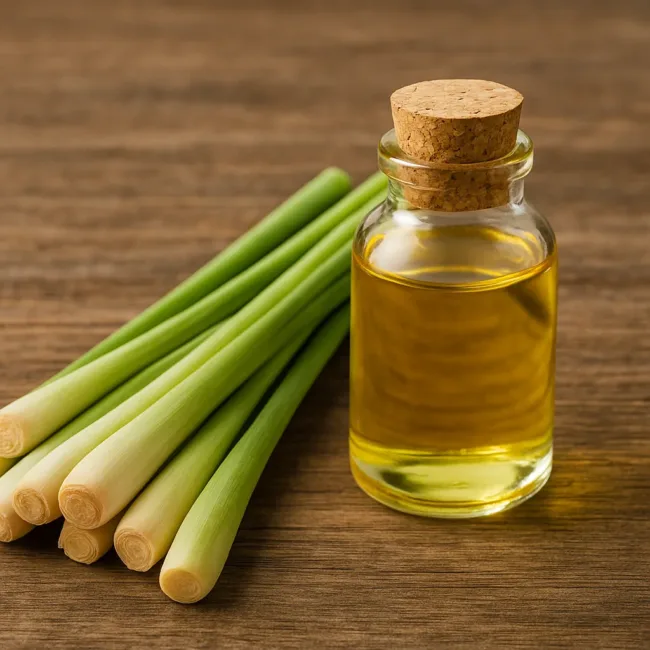
Lemongrass oil is a naturally aromatic, volatile essential oil derived from the leaves and aerial parts of plants belonging to the genus Cymbopogon, specifically Cymbopogon flexuosus and Cymbopogon citratus. These plants are members of the grass family Gramineae (also known as Poaceae) and are characterised by their tall, narrow leaves and fresh, citrus-like scent. The oil is extracted through the process of steam distillation, which uses heated steam to release and collect the volatile aromatic compounds present in the plant material.
Freshly distilled lemongrass oil typically has a yellowish-brown colour and emits a fragrance remarkably similar to that of lemon oil. Its sharp, citrus aroma and tangy taste have made it popular in multiple industries, from flavouring and perfumery to pharmaceuticals. The oil is also widely known by traditional names such as East Indian lemongrass oil and Indian melissa oil, highlighting its cultural and botanical connections.
Where is lemongrass cultivated globally and how does regional climate influence oil quality and yield?
Although lemongrass is native to India, it is cultivated in a variety of tropical and subtropical regions across the globe. In India, it grows both wild and as a cultivated crop, with major production centres located in Kerala, Karnataka, Tamil Nadu, and Maharashtra. These areas offer the combination of warm temperatures, ample rainfall, and well-drained soils necessary for high-quality oil production.
Beyond India, lemongrass cultivation is also prominent in West Africa, Guatemala, and East Africa. The West Indian lemongrass oil variety, derived from Cymbopogon citratus, is harvested from plants grown in regions such as Gujarat, Maharashtra, and Punjab. Variations in climate, soil type, and cultivation techniques influence the oil’s chemical profile, particularly its concentration of citral, the main aromatic compound responsible for its lemon-like fragrance.
What are the main chemical constituents of lemongrass oil and how do they determine its aroma and functional properties?
Lemongrass oil contains a rich blend of naturally occurring compounds, each contributing to its scent, flavour, and therapeutic potential. The primary active constituent is citral, a lemon-scented aldehyde that can make up to 70–80% of the oil’s composition. Citral is not only the source of its signature fragrance but also serves as a key industrial raw material for synthesising beta-ionone, which is in turn used to produce vitamin A.
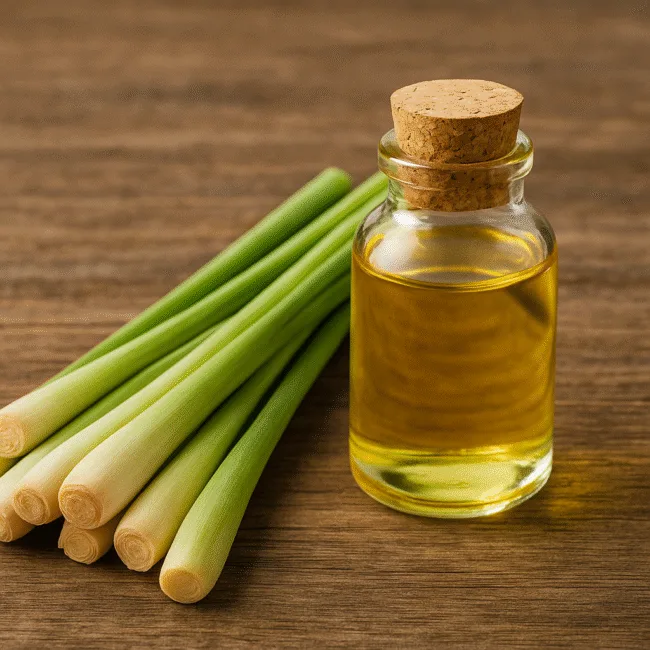
Other important compounds include methylheptenol, which imparts fruity undertones; nerol, a sweet floral-scented monoterpene alcohol; citronellal, valued for its fresh citrus note and insect-repellent properties; dipentene (limonene), a terpene with a light citrus aroma used in cleaning products and cosmetics; and geraniol, a rose-like fragrance component with potential antimicrobial and antioxidant benefits. This complex chemical profile explains the versatility of lemongrass oil in culinary, aromatic, and medicinal contexts.
How is lemongrass oil used in flavouring, aromatherapy, and fragrance manufacturing?
In the food industry, lemongrass oil is valued as a potent flavouring agent in beverages, baked goods, candies, and herbal teas. Its intense aroma means only a small amount is required to achieve a strong citrus flavour profile. It is also a common ingredient in spice blends and infused cooking oils.
In perfumery and cosmetics, the oil is prized for its fresh top notes and its ability to blend harmoniously with floral, herbal, and other citrus scents. Due to its high citral content, it is often used as a base ingredient for creating citrus-style perfumes and soaps. Aromatherapy practitioners frequently use lemongrass oil in diffusers or massage oils, believing it to have calming effects that help reduce stress, fatigue, and anxiety.
What is the role of lemongrass oil in vitamin A synthesis and why is it industrially significant?
Lemongrass oil has an important role in the chemical and pharmaceutical industries due to its high citral content. Citral is a precursor in the synthesis of beta-ionone, which serves as the starting material for manufacturing vitamin A. Vitamin A plays a vital role in maintaining healthy vision, supporting immune function, and promoting skin health.
India has developed industrial capacity to exploit this pathway, with facilities such as those run by the Kerala State Drugs and Pharmaceutical Co. in Alleppey producing vitamin A using citral from lemongrass oil. This industrial link not only adds economic value to lemongrass cultivation but also supports public health by contributing to global vitamin A supplies.
What are the traditional medicinal uses of lemongrass oil and how are they viewed in modern health contexts?
Historically, lemongrass oil has been used in traditional medicine systems for its antimicrobial, anti-inflammatory, and digestive benefits. It has been applied externally (in diluted form) to relieve muscle pain, treat fungal infections, and repel insects. Inhalation of steam containing lemongrass oil vapour has been used to alleviate symptoms of colds and respiratory issues.
Modern research supports some of these uses, particularly its antimicrobial potential, but stresses the importance of correct dilution and professional guidance. Aromatherapy advocates promote lemongrass oil for relaxation, mood enhancement, and stress reduction. However, ingestion of undiluted essential oil is unsafe and can cause toxicity. Its role today is therefore more complementary, supporting wellness rather than replacing conventional medical treatments.
What are the local and international synonyms of lemongrass oil and what do they reveal about its global recognition?
Lemongrass oil is known by a variety of names depending on the language and region. In Bengali, it is called gandha benertel; in *Hindi, gandha-bina-ka-tel; in Marathi, hiravacha-tel; in German, camaleshov; and in French, citronelle jonc odorant. These names reflect its widespread cultural integration and the fact that it has been valued across continents for both culinary and medicinal purposes.
How does lemongrass oil differ from other citrus-scented essential oils in composition and use?
While lemongrass oil and lemon oil share a similar scent profile, their origins and chemical compositions differ significantly. Lemon oil is obtained from the peel of lemon fruits via cold pressing, whereas lemongrass oil is extracted from leaves and stems using steam distillation. Lemongrass oil is generally higher in citral and carries a subtle grassy undertone absent in most citrus oils. Compared to citronella oil, lemongrass oil has a sharper, cleaner scent and is more commonly used in food flavouring and high-end perfumery.
Why does lemongrass oil remain important in modern wellness and industrial applications?
Lemongrass oil continues to hold value because it bridges the worlds of agriculture, wellness, and industry. Its applications in flavouring and fragrance keep it relevant to the food and cosmetic sectors, while its role in vitamin A production contributes to global health initiatives. The oil’s antimicrobial potential and refreshing scent also maintain its position in aromatherapy and natural wellness markets.
From farms in Kerala to chemical plants in Alleppey, lemongrass oil demonstrates how a single plant-based product can have a wide-ranging impact, both historically and in contemporary society. Its enduring demand reflects not only its pleasant aroma but also its economic, nutritional, and therapeutic significance.
Discover more from Business-News-Today.com
Subscribe to get the latest posts sent to your email.