

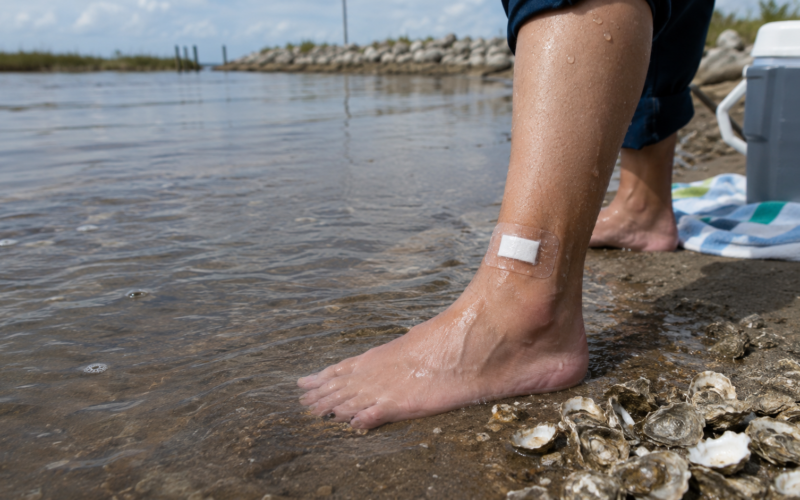
Health officials are urging people along the United States Gulf Coast to take additional precautions after a sharp rise in severe infections caused by Vibrio vulnificus, a naturally occurring bacterium capable of causing rapidly progressing wound infections, sepsis and death. Louisiana has confirmed nine cases during 2026, with every patient requiring hospitalization and five dying, according to state health data updated through August 5. Florida has separately recorded 14 cases and two deaths this year, reinforcing concern as millions of residents and tourists continue swimming, fishing and handling seafood during the warmest months of the year. The bacterium is sometimes described as “flesh-eating” because severe infections can cause necrotizing fasciitis, although that term applies to a medical condition that can be caused by several different bacteria.
Louisiana’s numbers are unusually severe compared with the state’s recent experience. Health officials say the state has historically averaged about seven Vibrio vulnificus infections and roughly one death annually over the past decade, meaning the five fatalities recorded so far in 2026 already represent a substantial increase. All nine Louisiana patients were infected after wounds were exposed to seawater or brackish water rather than through seafood consumption.
The bacteria are not evidence that Gulf beaches have suddenly become broadly unsafe. Vibrio naturally live in coastal environments and become more abundant when water temperatures rise, particularly between May and October. The threat is concentrated among people with open wounds and those with underlying medical conditions that make severe infection more likely.
Louisiana’s five deaths show how quickly a rare Vibrio infection can become life-threatening
Vibrio vulnificus infection remains uncommon compared with many other foodborne or waterborne illnesses, but its consequences can be disproportionately severe. Federal health authorities estimate that about one in five people who develop the infection die, sometimes within one or two days after becoming seriously ill.
Louisiana’s 2026 experience has been even more severe. Five of the state’s nine confirmed patients have died, and all nine required hospitalization. The unusually high mortality does not mean every person exposed to Gulf water faces a comparable risk. State officials said the patients had underlying health conditions associated with greater vulnerability to serious Vibrio disease.

The bacteria can enter through cuts, scrapes, recent surgical wounds, tattoos or piercings when broken skin comes into contact with salt water or brackish water. Infection can initially resemble an ordinary wound problem before progressing rapidly into severe swelling, discoloration, blistering and tissue destruction.
Bloodstream infections can produce fever, chills, dangerously low blood pressure and blistering skin lesions. In serious cases, patients may require intensive care, surgical removal of infected tissue or amputation. Immediate treatment is therefore critical when symptoms develop after a relevant coastal-water exposure.
The speed of progression creates one of the central public-health challenges. Someone may dismiss redness or swelling as an ordinary cut acquired at the beach, losing valuable time before seeking treatment. Health authorities recommend that patients tell clinicians specifically about recent exposure to coastal water or raw seafood because that information can help doctors consider Vibrio early.
Open wounds are driving the Louisiana cases rather than contaminated seafood
Vibrio infections are frequently associated with raw or undercooked oysters, but Louisiana’s current cluster has followed a different pattern. Every confirmed Vibrio vulnificus case reported by the state this year involved wound exposure to seawater.
That distinction is important for people who believe avoiding raw seafood eliminates their risk. Swimming, wading, fishing or walking through coastal water can provide an entry point when the skin has been broken.
Federal guidance defines an open wound broadly. It can include recent cuts and scrapes as well as surgical sites, tattoos and piercings that have not completely healed. A minor injury that normally would not prevent someone from entering the water may become significant when exposed to warm coastal conditions favorable to Vibrio.
People who cannot avoid coastal water are advised to completely cover wounds with waterproof bandages. Any cut exposed to salt water, brackish water or raw seafood should be washed immediately with soap and clean running water.
Protective footwear can also reduce risk by preventing cuts from shells, rocks and other objects on beaches. This is especially important for people with medical conditions that increase their risk of severe disease.
Raw seafood remains another potential transmission route. Vibrio can concentrate inside oysters and other shellfish, meaning thoroughly cooking seafood remains an important preventive measure even though seafood has not been identified as the source of Louisiana’s nine reported cases.
Florida’s 14 cases show the risk extends across heavily visited Gulf and Atlantic beaches
Florida had confirmed 14 Vibrio vulnificus infections and two deaths as of August 6. Cases have been reported across several counties, including Bay, Brevard, Hillsborough, Lee, Marion, Miami-Dade, Okaloosa, Palm Beach, Polk and St. Johns.
The statewide total remains below Florida’s unusually high figures recorded during some recent years. Florida reported 82 cases and 19 deaths in 2024, when areas affected by Hurricane Helene experienced an unusual increase. The state recorded 74 cases and 17 deaths in 2022, when Hurricane Ian similarly produced elevated exposure in several counties.
Those hurricane-related increases illustrate another characteristic of Vibrio risk. Storm surge and coastal flooding can push salt or brackish water into neighborhoods where people would not normally expect marine bacteria.
Residents cleaning damaged homes may have cuts from debris while simultaneously coming into contact with floodwater. That combination can create conditions for severe wound infections, particularly among older adults or people with chronic diseases.
The 2026 cases have not been attributed to one hurricane or a single contaminated beach. Vibrio vulnificus occurs naturally throughout warm coastal environments, making the current warning fundamentally different from a localized beach closure caused by sewage contamination.
Testing one section of beach water and finding low bacterial concentrations would therefore not eliminate the broader seasonal risk. The practical approach is to focus on personal vulnerability, wound protection and rapid recognition of symptoms.
People with liver disease and weakened immune systems face the highest danger
Anyone can contract Vibrio, but severe disease is far more likely among people with certain underlying medical conditions. Higher-risk groups include people with liver disease, cancer, diabetes, HIV and conditions requiring immune-suppressing treatment.
Chronic liver disease is particularly important because it dramatically increases the risk that Vibrio vulnificus entering the body will spread into the bloodstream. Florida health authorities say people with certain pre-existing medical conditions are substantially more likely than healthy individuals to develop severe bloodstream infection.
Older adults may also be more likely to have the chronic illnesses that increase vulnerability. That means a coastal activity that creates relatively little risk for a healthy younger person can present substantially greater danger to someone with cirrhosis, diabetes or a weakened immune system.
The message from health officials is therefore not that vulnerable people must avoid beaches entirely. Instead, they should be more cautious about entering coastal water with broken skin, wear protective footwear where cuts are possible and avoid raw oysters or other undercooked shellfish.
Recognizing the risk factors may also help doctors intervene sooner. A patient with liver disease who develops rapidly worsening redness and swelling after fishing in coastal water presents a different clinical concern than an otherwise healthy patient with an unexplained minor skin irritation.
Prompt antibiotics and surgical treatment can improve survival in severe wound infections. Waiting for laboratory confirmation before treatment may allow the infection to advance, which is why federal guidance urges clinicians to begin treatment quickly when Vibrio vulnificus is strongly suspected.
Warmer coastal waters are expanding the geography and season of Vibrio risk
Vibrio bacteria thrive in warmer coastal waters, particularly in low-salinity environments such as estuaries where fresh and salt water mix. Although Gulf Coast states historically report many of the country’s cases, infections have increasingly been documented farther north along the Atlantic coast.
Federal disease surveillance found that Vibrio vulnificus infections in the eastern United States increased eightfold between 1988 and 2018. The northern boundary of reported infections moved approximately 48 kilometers farther north each year during that period.
The trend does not mean climate conditions alone determine whether an individual becomes infected. Human behavior, underlying health, seafood consumption and exposure to wounds remain critical.
Warmer water can nevertheless increase the environmental conditions in which Vibrio thrives. Longer periods of high coastal temperatures can potentially lengthen the season during which exposure is more likely, while unusually warm regions can experience infections outside their historical geographic range.
Extreme weather creates an additional connection. Hurricanes, storm surges and coastal floods can push Vibrio-containing water into inland communities and simultaneously increase the number of people suffering cuts while cleaning debris.
That combination was associated with increased cases after previous hurricanes in Florida and illustrates why health departments often issue additional Vibrio warnings following major coastal storms.
The Gulf Coast warning is about targeted precautions rather than avoiding beaches entirely
The current case totals can sound alarming because of the bacteria’s high mortality rate and the phrase “flesh-eating.” Public-health guidance remains more specific than a general warning to stay away from Gulf waters.
People without open wounds and without significant underlying health conditions face a relatively low risk of severe Vibrio vulnificus infection. The bacteria do not spread from person to person, and simply being near the ocean does not cause illness.
The highest-priority precautions involve keeping cuts out of salt and brackish water, covering wounds with waterproof dressings when exposure cannot be avoided, washing wounds immediately after contact and thoroughly cooking oysters and other shellfish.
People should seek urgent medical attention if a wound becomes rapidly painful, swollen, warm, discolored or blistered after coastal-water exposure. Fever, chills or low blood pressure can indicate that infection has spread and requires emergency treatment.
Louisiana’s five deaths show why those recommendations deserve attention even though the disease remains rare. The most important factor is not widespread panic over coastal water but identifying the relatively small group of exposures that can turn into life-threatening infections with unusual speed.
Key takeaways from the deadly Vibrio vulnificus infections rising along the Gulf Coast
- Louisiana has confirmed nine Vibrio vulnificus infections during 2026, and all nine patients required hospitalization.
- Five Louisiana patients have died, significantly exceeding the state’s recent average of roughly one Vibrio vulnificus death per year.
- Every Louisiana case reported so far this year involved an open wound exposed to seawater rather than consumption of contaminated seafood.
- Florida had reported 14 infections and two deaths as of August 6, with cases spread across multiple coastal and inland counties.
- Vibrio vulnificus naturally lives in warm salt and brackish water and becomes more common during the warmer months between May and October.
- Severe infections can cause necrotizing fasciitis, bloodstream infection, septic shock, tissue destruction and, in some cases, limb amputation.
- About one in five people diagnosed with Vibrio vulnificus dies, sometimes within one or two days after becoming seriously ill.
- People with liver disease, diabetes, cancer or weakened immune systems face a substantially higher risk of severe complications.
- Health authorities recommend keeping open wounds out of coastal water, using waterproof bandages and immediately cleaning cuts exposed to seawater.
- Warmer coastal waters and extreme-weather events are expanding the conditions favorable to Vibrio infections, making prevention and rapid treatment increasingly important.
Discover more from Business-News-Today.com
Subscribe to get the latest posts sent to your email.