


What is evening primrose oil and how is it traditionally sourced and used in modern medicine?
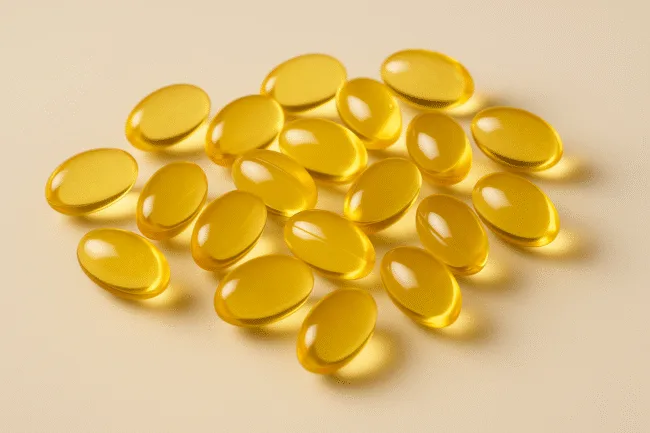
Evening primrose oil is a therapeutic oil derived from the ripe and dried seeds of Oenothera biennis, a plant belonging to the botanical family Onagraceae. Known historically as “King’s cure-all,” it has been valued for centuries for its wide-ranging medicinal properties. The plant is mainly distributed across temperate regions, especially in the United Kingdom, where it grows abundantly. The oil is golden yellow in color, has a faint peppery odor, and a mild, bland taste. Its solubility profile—insoluble in alcohol but soluble in chloroform and ether—makes it suitable for both pharmaceutical and cosmetic applications. Historically, evening primrose oil was used in folk remedies to treat skin inflammations and digestive problems, but modern science has confirmed its role in regulating hormonal balance and reducing inflammatory processes, making it a key natural supplement in clinical settings.
What makes the chemical composition of evening primrose oil important for human health and prostaglandin synthesis?
The therapeutic benefits of evening primrose oil are primarily linked to its unique chemical composition, which is rich in essential fatty acids. It contains high concentrations of linoleic acid and gamma-linolenic acid, commonly referred to as GLA, making it one of the richest known natural sources of this valuable compound. Both linoleic acid and GLA are considered essential fatty acids because the human body cannot synthesize them naturally and must obtain them through dietary sources. These fatty acids are crucial precursors for the biosynthesis of prostaglandins, which are hormone-like substances involved in inflammation control, vascular regulation, and immune responses. In individuals who have impaired fatty acid metabolism, especially those who cannot efficiently convert linoleic acid into GLA, evening primrose oil provides a direct source of GLA. Once metabolized in the body, GLA is converted into dihomo-gamma-linolenic acid (DGLA), which further helps generate anti-inflammatory prostaglandins such as PGE1. This biochemical mechanism explains why evening primrose oil has a strong anti-inflammatory and hormone-modulating effect, making it clinically valuable for conditions such as eczema, arthritis, and hormonal disorders.
How does evening primrose oil help with premenstrual syndrome and what is its role in balancing female hormonal health?
One of the most widely researched uses of evening primrose oil is in the management of premenstrual syndrome, a condition affecting millions of women worldwide. The oil’s high GLA content helps regulate the synthesis of prostaglandins, which are critical in reducing menstrual-related discomfort. Women who experience breast tenderness, mood swings, irritability, and abdominal cramps before their menstrual cycle often benefit from evening primrose oil supplementation. By improving the balance between pro-inflammatory and anti-inflammatory prostaglandins, the oil appears to stabilize hormonal fluctuations, which in turn eases the physical and emotional symptoms of PMS. Clinical studies have indicated that regular supplementation over several months may reduce both the severity and duration of PMS symptoms. Moreover, some research suggests that evening primrose oil may also play a role in improving fertility-related hormonal imbalances, although this area requires further scientific validation.
Can evening primrose oil improve inflammatory skin conditions such as eczema and how does it support skin barrier function?
Evening primrose oil is extensively used in dermatology for managing inflammatory skin conditions such as atopic dermatitis or eczema. Individuals with chronic eczema often have impaired delta-6-desaturase activity, an enzyme necessary for converting linoleic acid to GLA. This deficiency leads to a compromised skin barrier, resulting in dryness, scaling, and inflammation. Evening primrose oil supplementation directly provides GLA, bypassing the metabolic block and restoring skin lipid balance. The resulting increase in anti-inflammatory prostaglandins helps reduce redness, itching, and swelling, thereby improving overall skin hydration and texture. Dermatologists also recommend evening primrose oil as a supportive therapy for other inflammatory skin conditions, including rosacea and psoriasis, although its primary clinical approval is for eczema management. Regular topical and oral use can improve skin elasticity, making it a common ingredient in cosmetic formulations targeting dry and aging skin.
How effective is evening primrose oil in reducing joint pain in arthritis and does it act as an anti-inflammatory supplement?
Evening primrose oil is recognized as a supportive therapy for rheumatoid arthritis and other inflammatory joint conditions. The anti-inflammatory prostaglandins synthesized from its GLA content are believed to counteract pro-inflammatory cytokines, which are responsible for joint pain and stiffness. Patients who regularly consume evening primrose oil often report improvements in morning stiffness, joint tenderness, and overall mobility. Unlike synthetic anti-inflammatory drugs, evening primrose oil works gradually and is considered safer for long-term use, making it a preferred complementary therapy in integrative medicine. Clinical evidence suggests that its benefits become more noticeable after continuous supplementation for several weeks or months. While it is not a replacement for disease-modifying drugs, evening primrose oil provides a natural approach to reducing systemic inflammation in arthritis.
What role does evening primrose oil play in protecting liver, kidney, and nerve health and how does it benefit patients with chronic conditions?
Evening primrose oil has shown promising benefits in protecting vital organs such as the liver and kidneys, particularly in individuals with chronic alcohol consumption. Alcohol-related liver and kidney damage is often associated with oxidative stress and inflammatory damage to tissues. The anti-inflammatory and antioxidant properties of GLA help reduce this damage and may improve organ function over time. Evening primrose oil is also being studied for its role in diabetic neuropathy and multiple sclerosis. In diabetic patients, the oil may help reduce nerve pain by improving microcirculation and reducing oxidative stress around nerve tissues. In multiple sclerosis, where demyelination and nerve inflammation are key pathological features, evening primrose oil may offer neuroprotective effects by supporting myelin regeneration and modulating inflammatory pathways. Although research is still evolving, these findings highlight evening primrose oil’s potential in managing chronic inflammatory and neurodegenerative conditions.
How is evening primrose oil used in cosmetics and what makes it beneficial for skin and hair health?
In addition to its medicinal applications, evening primrose oil is widely used in the cosmetic industry for its moisturizing and skin-restoring properties. Its high concentration of essential fatty acids makes it an excellent emollient, improving skin elasticity and hydration. Regular topical use is believed to reduce fine lines and wrinkles, making it a valuable ingredient in anti-aging formulations. For hair care, evening primrose oil is included in shampoos and serums designed to reduce scalp inflammation and improve hair texture. By restoring essential lipids in the skin barrier, evening primrose oil also enhances the absorption of other active ingredients in cosmetic products, making it a preferred natural oil in dermatological skincare.
What is the recommended dosage of evening primrose oil for adults and children and what precautions should be considered?
The dosage of evening primrose oil depends on age, health condition, and the therapeutic goal. For adults, the commonly recommended dose ranges between six and eight grams per day, while children are typically prescribed two to four grams. It is generally well-tolerated, but mild side effects such as nausea, headache, or gastrointestinal upset may occur in some individuals. People with bleeding disorders or those taking anticoagulant medications should consult a physician before use, as evening primrose oil may increase bleeding risk. Patients with seizure disorders or epilepsy should also use caution because high doses of GLA may lower seizure thresholds. Pregnant and breastfeeding women should only take evening primrose oil under medical supervision, even though it has been explored for its potential role in reducing labor complications.
Why is evening primrose oil still relevant in modern medicine and what is its future role in natural health therapies?
Evening primrose oil remains a cornerstone of natural medicinal supplements due to its unique ability to provide gamma-linolenic acid, an essential fatty acid crucial for regulating inflammation and hormonal function. Its applications in managing premenstrual syndrome, eczema, arthritis, and chronic inflammatory conditions highlight its importance in integrative and preventive healthcare. Modern research continues to explore its neuroprotective and cardiometabolic benefits, which could expand its clinical applications further. In a world increasingly focused on natural therapies, evening primrose oil stands out as a scientifically supported supplement bridging nutrition and medicine. Its role in supporting skin health, hormonal balance, and chronic disease management ensures its continuing relevance in both clinical and cosmetic settings.
Discover more from Business-News-Today.com
Subscribe to get the latest posts sent to your email.