




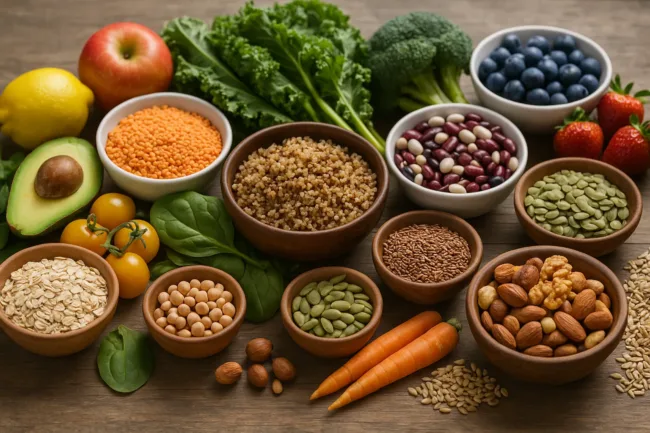
What makes plant-based foods essential for energy, growth, and the prevention of deficiency diseases?
Plant-based foods form one of the most vital pillars of human nutrition, serving not only as a primary source of energy but also as a preventive measure against a wide range of deficiency-related illnesses. In modern health science, such foods are often referred to as nutraceuticals when they provide both nourishment and therapeutic benefits. The body requires food to generate energy, maintain biological processes, and supply raw materials for growth and repair. Even in adulthood, most tissues are in a constant cycle of breakdown and renewal, making a steady supply of quality nutrients indispensable.
The energy needs of the body are primarily met through three macronutrients: proteins, carbohydrates, and fats. Both proteins and carbohydrates yield approximately four calories per gram, while fats provide about 9.3 calories per gram, making them the most energy-dense. While carbohydrates and fats can be freely oxidized for energy, dietary proteins serve a dual role. They can be metabolized for energy if necessary, but their preservation is crucial, as they are the body’s primary building blocks for muscle, enzymes, and cellular structures.
A balanced diet incorporates these macronutrients in optimal proportions alongside essential micronutrients — vitamins and minerals that the body cannot synthesize on its own. Vitamins A, C, and the B-complex group are water-soluble, meaning they must be replenished regularly. Fat-soluble vitamins such as D, K, and E are stored in the body’s fatty tissues but still require consistent intake. Minerals like copper, zinc, iron, manganese, magnesium, calcium, and selenium play indispensable roles in processes ranging from oxygen transport to bone health and enzymatic activity.
How do plant foods supply essential macronutrients for energy and body repair?
Carbohydrates derived from whole plant foods are the body’s preferred source of fuel. Starches from grains, legumes, and tubers, along with natural sugars from fruits, provide a steady energy supply for brain function, muscular activity, and cellular metabolism. Unlike refined sugars, complex carbohydrates in plant-based diets are often accompanied by dietary fiber, which slows digestion, stabilizes blood sugar levels, and supports gut microbiome health.
Proteins of plant origin, while sometimes lower in certain essential amino acids, can be combined to form a complete amino acid profile. Legumes, lentils, soy products, nuts, and seeds are rich protein sources in plant-based nutrition. Studies have linked diets high in plant protein, such as soy and whey, to reduced risks of certain cancers, including a lower incidence of breast cancer in animal models. Such benefits are often attributed to the presence of phytoestrogens, antioxidant compounds, and other bioactive plant chemicals.

Plant-derived fats, particularly unsaturated fatty acids, are another cornerstone of nutrition. Sources like flaxseed, chia seeds, walnuts, and certain vegetable oils provide alpha-linolenic acid (ALA), an essential omega-3 fatty acid linked to cardiovascular and neurological benefits. While fats are calorie-dense, their role in hormone production, cell membrane structure, and nutrient absorption makes them indispensable in moderation.
Why are vitamins and minerals from plants crucial for long-term health and disease prevention?
Micronutrients are the catalysts and regulators of human metabolism. Vitamin A, abundant in orange and leafy green vegetables, supports vision, immune defense, and skin integrity. Vitamin C, found in citrus fruits, berries, and peppers, is essential for collagen synthesis, wound healing, and antioxidant defense. The B vitamins, present in whole grains, legumes, and seeds, are key players in energy metabolism and nerve function.
Fat-soluble vitamins in plant foods, though less concentrated than in animal sources, are often paired with antioxidant compounds that enhance their health effects. Vitamin K, from leafy greens like spinach and kale, supports blood clotting and bone metabolism. Vitamin E, found in seeds and vegetable oils, protects cell membranes from oxidative stress.
Plant foods are also a primary source of minerals vital to human health. Dark green vegetables and legumes are rich in magnesium, essential for muscle and nerve function. Whole grains and beans supply iron, critical for hemoglobin synthesis, while nuts and seeds contribute zinc for immune and reproductive health. The inclusion of a wide variety of plant foods ensures an adequate supply of these nutrients, reducing the risk of chronic illnesses linked to deficiencies.
How can plant-based nutrition help combat malnutrition and common global health challenges?
Malnutrition, particularly in children, remains a major public health concern. Inadequate or unbalanced diets lead to stunted growth, compromised immunity, and increased vulnerability to infections such as pneumonia, gastrointestinal diseases, and tuberculosis. Many of these outcomes are preventable through accessible, nutrient-dense plant foods.
In regions where animal protein is scarce or unaffordable, legumes, cereals, and locally grown vegetables provide affordable nutrition. However, lack of awareness about the nutritive value of such foods often drives communities toward less nutritious, heavily processed options. Nutrition education, combined with agricultural policies that promote diverse crop cultivation, can play a decisive role in addressing these gaps.
Tuberculosis, while primarily an infectious disease, disproportionately affects malnourished populations due to weakened immune systems. Regular consumption of vitamin- and mineral-rich fruits and vegetables supports immune resilience, helping to prevent and manage such conditions more effectively.
What is the role of plant-based foods in modern lifestyle diseases and wellness trends?
In recent decades, plant-based diets have gained popularity not just for ethical and environmental reasons, but also for their documented health benefits in preventing non-communicable diseases. Diets high in whole grains, fruits, vegetables, nuts, and legumes are associated with lower rates of obesity, type 2 diabetes, cardiovascular disease, and certain cancers.
Phytonutrients such as flavonoids, carotenoids, and polyphenols — abundant in colorful plant foods — possess antioxidant, anti-inflammatory, and even antimicrobial properties. These compounds help neutralize free radicals, reduce oxidative damage to cells, and modulate inflammatory pathways, offering a protective effect against metabolic disorders.
Additionally, the dietary fiber in plant foods supports satiety, aids in weight management, and fosters a diverse gut microbiome, which emerging research links to improved immune regulation, mood stability, and metabolic efficiency.
How can individuals optimize their diet to maximize the benefits of plant-based nutrition?
A balanced, plant-forward diet involves more than simply eliminating animal products. It requires variety, moderation, and nutrient pairing. Combining cereals with legumes — such as rice with lentils or corn with beans — ensures a complete amino acid intake. Including healthy fats like olive or flaxseed oil with fat-soluble vitamin-rich vegetables improves absorption.
Seasonal and locally sourced produce often offers higher nutrient density, reduced environmental impact, and fresher taste. For individuals at risk of deficiencies — such as vitamin B12 or iron — supplementation or strategic inclusion of fortified foods may be necessary, particularly in strict vegan diets.
Hydration also plays a role in maximizing nutrient utilization, as water is essential for digestion, absorption, and transport of nutrients. While plant-based diets are naturally rich in water-containing foods like fruits and vegetables, adequate fluid intake remains important.
Why plant-based nutrition remains vital in modern health science
Plant foods are more than just sources of energy; they are complex nutrient packages that sustain, protect, and repair the human body. They provide macronutrients for fuel and tissue building, micronutrients for metabolic regulation, and bioactive compounds that enhance long-term health. From preventing childhood malnutrition to reducing the burden of chronic diseases, the case for integrating more plant-based foods into daily diets is compelling.
In the context of modern medicine and public health, understanding the nutritive value of plant foods is not simply an academic exercise — it is a practical, evidence-backed approach to achieving better health outcomes across populations. By prioritizing variety, balance, and accessibility, individuals and communities can harness the full potential of plant-based nutrition for a healthier future.
Discover more from Business-News-Today.com
Subscribe to get the latest posts sent to your email.


