


Nigeria’s Dangote Group has signed a refined petroleum products supply agreement with Cameroon’s state-owned Société Nationale de Raffinage, known as SONARA, and Lagos-based MRS Oil & Gas Company Limited, establishing a new commercial framework for supplying fuel to the Central African country. The agreement was signed in Lagos on October 22, 2026, and publicly confirmed during October 29–30 as Cameroon seeks to reduce vulnerability to disruptions in international petroleum supply. Cameroonian business publications have reported that the arrangement is intended to operate for approximately 30 months and cover around half of the country’s fuel requirements, although the full contractual schedule and financial value have not been independently disclosed. The development could provide Dangote’s large Lagos refinery with another regional supply market while offering Cameroon a potentially more direct procurement arrangement for petrol, diesel and aviation fuel. Reuters+2
The partnership has added significance because Cameroon has depended on imported refined petroleum products since an industrial incident in 2019 damaged its only refinery at Limbé. SONARA has continued to play a role in the petroleum supply system despite the loss of domestic refining capacity, leaving the country exposed to international product prices, shipping costs and foreign supply conditions. The agreement with Dangote and MRS could change part of that sourcing structure, although its eventual effect on import expenditure and domestic fuel prices will depend on actual commercial terms.
Why is Cameroon turning to Nigeria’s Dangote Refinery after years of dependence on imported petroleum products?
Cameroon’s refining difficulties began in 2019 when an explosion and associated fire severely damaged the country’s only refinery. The loss of refining capacity created a structural dependence on imported petroleum products, requiring the country to secure finished fuels from overseas suppliers rather than processing crude oil domestically. This dependence exposes importers and public authorities to international fuel market volatility, foreign currency requirements and the cost of transporting products to Cameroonian distribution facilities.
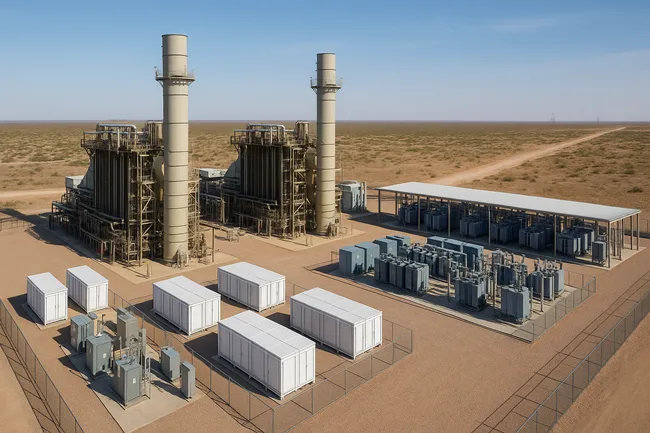
The Dangote agreement provides an opportunity to source fuel from a large refinery located relatively close to Cameroon. Dangote Petroleum Refinery and Petrochemicals operates at Lekki, near Lagos, and was developed with a nameplate crude processing capacity of approximately 650,000 barrels per day. The refinery’s scale creates the potential to supply multiple regional markets, although the quantity available for Cameroon will depend on operating rates, domestic Nigerian requirements and other export commitments.
Geographical proximity could be commercially advantageous because shorter maritime routes may reduce shipping time and some transportation expenses compared with sourcing products from more distant refining centres. However, proximity does not guarantee lower delivered prices. Refinery selling prices, freight charges, storage costs, financing arrangements and the conditions governing individual cargoes will determine whether Cameroon achieves measurable savings.
The agreement also reflects a broader African downstream energy opportunity. Countries without adequate domestic refining capacity must compete for finished products in international markets, while large regional refining facilities may offer alternative sources. The commercial outcome will depend on whether regional suppliers can provide consistent product quality, reliable delivery schedules and competitive prices.
For Cameroon, the immediate objective appears to be improving supply certainty rather than eliminating imports. Fuel delivered from the Dangote refinery would still be imported into Cameroon, meaning the arrangement changes the source of finished petroleum products without restoring domestic refining capacity. The distinction is important when assessing claims about energy independence or import substitution.
How will the 30-month SONARA, Dangote and MRS arrangement work, and what role will each participant play?
The agreement involves three participants with different commercial and operational responsibilities. Dangote’s refinery is expected to provide petroleum products, while MRS Oil & Gas is associated with logistics and commercial delivery arrangements. SONARA will remain the Cameroonian counterparty responsible for integrating the purchased products into the country’s petroleum supply system.
Cameroonian publications covering the agreement have described a proposed 30-month supply period targeting approximately 50% of national fuel requirements. This reported structure suggests an attempt to secure a substantial share of imports through a defined regional arrangement while retaining other supply channels. However, the public Reuters account of SONARA’s announcement did not specify the duration, committed tonnage or financial value, so the precise contractual obligations require further confirmation.
The reported product coverage includes petrol, diesel and aviation fuel, reflecting the different requirements of Cameroon’s transport and industrial economy. The commercial importance of each product will depend on domestic consumption, seasonal demand and prevailing international prices. A supply arrangement involving several fuel categories may provide greater procurement flexibility, but its effectiveness will depend on product availability and compliance with applicable specifications.
MRS Oil & Gas could play an important role in coordinating transportation and cargo delivery between Nigeria and Cameroon. Effective fuel procurement requires more than refinery output because cargoes must be scheduled, loaded, transported, discharged and integrated into storage and distribution networks. Any improvement in these activities could influence the delivered cost of petroleum products, although the agreement has not publicly quantified expected logistics savings.
The announcement also needs to be distinguished from the physical commencement of supplies. SONARA indicated that a ceremony associated with the partnership had been postponed because of scheduling constraints involving Dangote Group President Aliko Dangote. The postponement of a formal event does not necessarily invalidate the agreement, but the public disclosures do not establish the exact first-delivery date or confirm that the complete targeted supply volume is already moving under the arrangement.
Could direct supplies from Dangote reduce Cameroon’s petroleum import bill and pressure on domestic fuel prices?
The economic rationale centres on potentially reducing procurement complexity and improving access to a regional refining source. When fuel is purchased through several trading intermediaries, the final delivered price can reflect multiple commercial margins, financing charges and transportation costs. A more direct supply relationship may provide opportunities to negotiate these components, although the actual savings depend on the final contract.
Cameroonian reporting has indicated that policymakers are seeking greater transparency over procurement prices and related logistics charges. Such arrangements may help public authorities assess the difference between refinery selling prices and the final delivered cost of fuel. However, a change in supplier does not automatically eliminate market-related costs or guarantee lower prices for motorists and industrial consumers.
The country also operates within a petroleum market influenced by government pricing policies and import financing arrangements. Retail fuel prices may consequently reflect fiscal decisions, distribution expenses and other charges beyond the cost of purchasing products from an overseas refinery. Even if imported fuel becomes cheaper, the extent to which those savings reach consumers will depend on domestic pricing decisions and market conditions.
The 2019 refinery disruption continues to shape this challenge because Cameroon lacks the operating domestic refining capacity that might otherwise provide an alternative source of finished products. Rehabilitating the damaged facility would involve a separate industrial investment decision and cannot be assumed to follow from the new import agreement. For now, procurement diversification may offer a more immediate route towards supply management.
The potential cost implications are also linked to global oil and refined product markets. If international fuel prices rise sharply, a regional supplier may still increase selling prices depending on the applicable contractual formula. Conversely, favourable procurement terms and shorter shipping distances could reduce some costs even if global commodity prices remain elevated.
What does the Cameroon agreement mean for Dangote Refinery’s regional export strategy and African fuel trade?
The arrangement strengthens Dangote’s position as a potential supplier to neighbouring African economies. Large refining facilities benefit from dependable demand because sustained operating rates can help spread fixed costs across greater production volumes. Establishing regional customer relationships may also diversify revenue sources beyond the domestic Nigerian market, although the financial value of the Cameroon arrangement remains undisclosed.
Dangote has already been pursuing opportunities to supply refined products to other African countries. Such exports could support the development of regional petroleum trade as additional markets seek alternatives to traditional suppliers. Nevertheless, future export growth will depend on the refinery’s operating performance, crude oil sourcing and the economics of supplying different destinations.
For Nigeria, regional refined product exports could generate additional commercial activity across shipping, petroleum marketing and associated services. However, the economic benefits should not be confused with a guarantee that every barrel processed by the refinery will find a profitable export market. Regional demand, currency conditions and competition from other refiners will influence achievable margins.
The agreement also raises questions about the balance between Nigeria’s domestic fuel requirements and overseas supply obligations. A major refinery serving several countries must manage product allocation across markets while maintaining reliable operations. Export commitments may support utilisation, but they also create delivery expectations that must be met alongside domestic commercial responsibilities.
Dangote Group is privately held, so there is no directly listed Dangote refinery share price through which investors can measure a market reaction to this particular agreement. The broader commercial implications may nevertheless be relevant to fuel marketers, transport businesses and other companies exposed to regional petroleum distribution. Any assessment of their financial benefit would require evidence of actual contracts and operating exposure.
The SONARA agreement represents a potentially important development in the regionalisation of African petroleum supply. It creates a commercial connection between one of the continent’s largest refining facilities and a neighbouring country that has depended on imported finished fuels since losing its domestic refinery capacity.
However, the agreement’s commercial success will depend on pricing, contracted quantities, delivery reliability and the degree to which any procurement savings are realised. For Cameroon, the most important outcome will be whether the arrangement improves fuel availability and import costs without creating excessive dependence on a single supplier.
For Dangote, the partnership offers another opportunity to translate refinery capacity into sustained regional business. The next decisive indicators will be verified shipment volumes, the commencement of regular deliveries and evidence of the financial benefits achieved by the participants.
Discover more from Business-News-Today.com
Subscribe to get the latest posts sent to your email.