




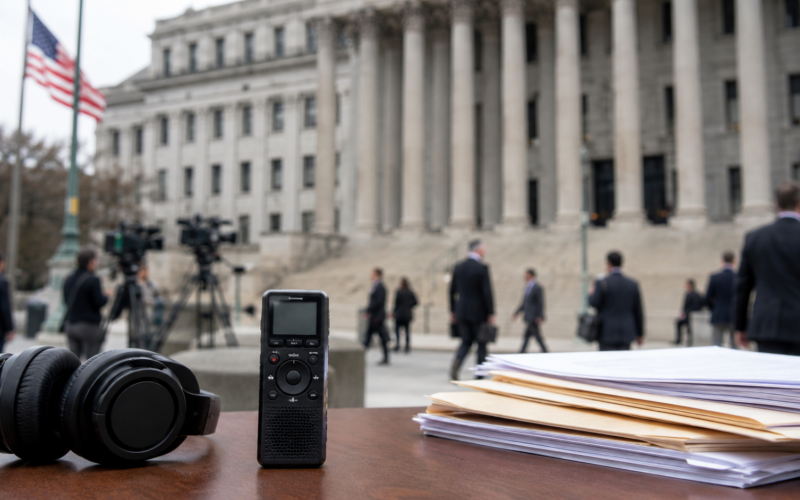
Former United States President Joe Biden has sued the United States Department of Justice (DOJ) to block the release of audio recordings and transcripts from private conversations with his biographer, escalating a politically sensitive legal fight over privacy, congressional oversight, Freedom of Information Act access and the legacy of the Robert Hur classified documents investigation.
The lawsuit seeks to stop the Department of Justice from releasing materials from interviews that took place in 2016 and 2017, when Joe Biden was speaking with biographer Mark Zwonitzer for the memoir “Promise Me, Dad.” The recordings were later obtained by the Department of Justice during the investigation led by then Special Counsel Robert Hur into Joe Biden’s handling of classified documents.
The Department of Justice is planning to release redacted versions of the recordings and transcripts by June 15 to the Heritage Foundation and the United States House Judiciary Committee. Joe Biden’s lawsuit argues that the release would cause a serious invasion of privacy and that the congressional request is being used to bypass legal limits on public disclosure.
The filing brings a fresh legal front to a controversy that has followed Joe Biden since the Robert Hur investigation concluded without criminal charges. The investigation found evidence that Joe Biden had retained and disclosed classified information after leaving the vice presidency, but Robert Hur declined to recommend charges. The report became politically explosive because of its description of Joe Biden’s memory and because it was released during a highly charged election cycle.
The dispute has now moved beyond the original classified documents inquiry. The central question is no longer only whether the public should know what was in Joe Biden’s private conversations with Mark Zwonitzer. The broader question is whether a former president can stop the government from releasing private materials gathered during a criminal investigation that ended without charges, especially when congressional investigators and conservative advocacy groups are seeking access.
Why is Joe Biden suing the Department of Justice over private audio recordings and transcripts?
Joe Biden is suing the Department of Justice because the department plans to release private interview recordings and transcripts that were obtained during the Robert Hur classified documents investigation. The materials involve conversations between Joe Biden and Mark Zwonitzer, who worked with Joe Biden on “Promise Me, Dad.”
The confirmed dispute is direct. The Department of Justice has agreed to release redacted versions of the materials by June 15. Joe Biden wants a federal court to block that release permanently. Joe Biden’s legal argument is that the recordings involve private conversations, including sensitive personal subjects, and that releasing the materials would violate privacy interests.
The institutional position of the Department of Justice has shifted over time. The Department of Justice initially resisted the Heritage Foundation’s Freedom of Information Act request while Joe Biden was still president. Under President Donald Trump, the Department of Justice changed course and moved toward release. That shift has made the case legally and politically charged because it links transparency law with a change in executive branch leadership.
The broader consequence is that the lawsuit could influence how courts handle private materials gathered during high-profile investigations. If Joe Biden succeeds, former officials may have stronger protection against release of personal recordings obtained during investigations that do not lead to charges. If the Department of Justice prevails, the government and congressional investigators may gain a clearer path to disclose sensitive investigative materials in politically important cases.

How does the Robert Hur classified documents investigation shape the legal dispute?
The Robert Hur investigation is central because the recordings at issue were obtained during that inquiry. Robert Hur examined Joe Biden’s handling of classified documents after his vice presidency and later concluded that criminal charges were not warranted.
The investigation did not end the political controversy. Robert Hur’s report stated that evidence existed that Joe Biden had willfully retained and disclosed classified materials, but the report also said the evidence was insufficient to support a criminal prosecution. The report’s language about Joe Biden’s memory triggered intense political debate and gave Republican lawmakers and conservative groups new grounds to seek further records.
The recordings with Mark Zwonitzer matter because they were cited in the investigation. Joe Biden denies that he shared classified information improperly in a way that should justify public disclosure of the recordings. The Department of Justice is now preparing to release redacted versions, which means the legal fight is partly about whether redaction is enough to protect privacy and sensitive information.
The broader institutional issue is how investigative materials are handled when a special counsel inquiry ends without charges. Criminal investigations can collect deeply personal material, especially when the subject is a senior public official. Once a case closes, courts must weigh public access, government transparency, privacy and potential political misuse.
For Joe Biden, the lawsuit is an attempt to separate public accountability from what his lawyers view as unnecessary exposure of private conversations. For the Department of Justice, the release position reflects a different balance between transparency and confidentiality.
Why are the Heritage Foundation and the United States House Judiciary Committee central to the case?
The Heritage Foundation and the United States House Judiciary Committee are central because they are among the parties seeking access to the recordings and transcripts. The Heritage Foundation pursued records through the Freedom of Information Act, while the United States House Judiciary Committee sought access through congressional oversight channels.
The Heritage Foundation’s involvement places the case within the framework of public records law. Freedom of Information Act disputes often require courts to decide whether the public interest in disclosure outweighs exemptions for privacy, law enforcement records or sensitive government material. In this case, the request involves a former president, a special counsel investigation and private conversations with a biographer.
The United States House Judiciary Committee’s involvement adds a separate constitutional and political dimension. Congressional committees can seek information for oversight, but disputes arise when requested material involves executive branch records, criminal investigations or private information. Joe Biden’s lawsuit argues that the committee request is being used as a pretext to bypass disclosure limits.
The broader consequence is that the case could become a test of how courts distinguish between legitimate oversight and politically motivated disclosure. That distinction is difficult because congressional investigations are often political by nature, but courts still evaluate whether requests serve a valid legislative or oversight purpose.
The Department of Justice’s plan to release materials to both the Heritage Foundation and the United States House Judiciary Committee means the case sits at the crossroads of open records law and congressional power. That makes the legal stakes larger than a single archive of audio recordings.
How does the lawsuit connect to executive privilege, privacy and public accountability?
The lawsuit connects to executive privilege, privacy and public accountability because the materials involve a former president, private conversations, government investigative records and politically significant allegations about classified documents.
Joe Biden’s position rests mainly on privacy and legal limits on disclosure. The interviews were not public remarks, campaign speeches or official press events. They were private conversations with Mark Zwonitzer for a memoir. Joe Biden’s lawyers argue that releasing the recordings would expose private material and personal history in a way that is not justified by public interest.
The public accountability argument runs in the opposite direction. Supporters of disclosure argue that the materials were relevant to an investigation into classified documents and that the public has a legitimate interest in understanding how the Department of Justice handled a former president’s case. Congressional investigators may also argue that the materials help evaluate whether the Department of Justice applied the law consistently.
The executive privilege issue forms part of the wider background. Joe Biden previously resisted release of audio connected to the Robert Hur investigation while he was president. The current dispute involves private biographer recordings rather than only the formal special counsel interview audio, but both fights raise a similar question: how much control should a president or former president have over recordings used in a government investigation?
The broader consequence is institutional. If privacy wins too broadly, public access to high-level investigative records may narrow. If disclosure wins too broadly, future presidents, vice presidents and senior officials may face greater risk that personal materials gathered during investigations will later be released for political or oversight purposes.
Why does the Department of Justice’s changed position under President Donald Trump matter?
The Department of Justice’s changed position matters because the department previously resisted disclosure and is now moving toward release under a different administration. That shift has made the dispute part of a broader debate over whether legal positions are being driven by institutional principles or political control of the executive branch.
Under Joe Biden’s presidency, the Department of Justice opposed certain disclosure efforts involving Robert Hur investigation materials. Under President Donald Trump, the Department of Justice is preparing to release the recordings and transcripts. Joe Biden’s lawsuit argues that this change reflects improper political motivation and that the release should not proceed.
The Department of Justice, however, can argue that a new administration is entitled to reassess litigation positions and transparency decisions. Agencies can change legal strategies, especially when a new administration brings different policy priorities. Courts generally examine whether a change is lawful, adequately explained and consistent with statutory limits.
The broader consequence is that the case may feed public concern over whether sensitive law enforcement records can become vulnerable after a change in political power. That issue is particularly important when the records involve presidents, former presidents or senior political figures from the opposing party.
For the legal system, the question is not only whether Joe Biden or President Donald Trump benefits politically. The deeper question is whether the Department of Justice can maintain public confidence when its position on sensitive records changes with administrations. That issue could shape how future courts view politically charged Freedom of Information Act reversals.
What could the Biden lawsuit mean for future classified documents and public records cases?
The Biden lawsuit could influence future disputes over classified documents investigations, public records access and the release of private materials gathered during federal inquiries. The case may set boundaries for how far the government can go when releasing materials from a closed investigation involving a former president.
If the court blocks the release, the ruling may strengthen privacy protections for non-public conversations gathered during investigations that end without charges. That would matter not only for presidents but also for other senior officials, aides, witnesses and private citizens whose materials become part of politically sensitive federal inquiries.
If the court permits release, advocacy groups, media organisations and congressional committees may become more aggressive in seeking recordings, transcripts and related investigative materials. That could expand public access but also increase concerns about selective disclosure and political weaponisation.
The case may also affect how future officials communicate with authors, advisers and private collaborators. If private recordings can later be obtained by the government and released after a political change, public officials may become more cautious about memoir projects, recorded interviews and informal documentation.
For the public, the case is a reminder that classified documents investigations rarely end when prosecutors decline charges. The legal consequences may close, but the records, transcripts, audio files and political narratives can continue to shape institutional trust for years.
What are the key takeaways from Joe Biden’s lawsuit against the Department of Justice?
- Joe Biden has sued the Department of Justice to block release of private recordings and transcripts. The materials come from 2016 and 2017 conversations with biographer Mark Zwonitzer for “Promise Me, Dad.”
- The Department of Justice plans to release redacted materials by June 15. The planned recipients include the Heritage Foundation and the United States House Judiciary Committee.
- The recordings were obtained during the Robert Hur classified documents investigation. Robert Hur declined to recommend criminal charges after investigating Joe Biden’s handling of classified documents.
- Joe Biden argues that releasing the materials would violate privacy and misuse congressional oversight. The lawsuit says the committee request is being used as a pretext to bypass legal restrictions on public disclosure.
- The Department of Justice’s position changed after President Donald Trump returned to office. The department previously resisted disclosure but is now preparing to release redacted versions of the materials.
- The lawsuit could affect future fights over public records, privacy and investigative materials. The court’s decision may influence how sensitive records from closed investigations involving senior officials are handled.
Discover more from Business-News-Today.com
Subscribe to get the latest posts sent to your email.


