




The 11 employees killed in the Nippon Dynawave Packaging chemical tank rupture in Longview, Washington, all suffered chemical burn injuries after the May 26, 2026 industrial disaster at the pulp and paper mill.
The deaths were ruled accidental after autopsy findings were released for the victims of the chemical tank failure, which involved a large white liquor tank at the Nippon Dynawave Packaging facility near the Washington and Oregon border. The incident has become one of the most serious industrial tragedies in the Longview community in decades, with state and federal agencies still investigating how the tank failed and whether workplace safety violations occurred.
The Cowlitz County Coroner’s Office handled autopsies for 10 victims, while the Multnomah County Medical Examiner reviewed the death of Dillon Miller, who was transported to a hospital in Portland before he died from his injuries. The medical findings confirmed that alkaline chemical burns, sodium hydroxide exposure and sodium sulfide exposure were central to the fatal injuries.
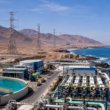
The incident occurred at the Nippon Dynawave Packaging facility in Longview, about 50 miles northwest of Portland. The facility is part of the Nippon Paper Group and has been manufacturing liquid packaging board in Longview since 1953. The ruptured tank contained white liquor, a caustic chemical mixture used in paper production to break down wood into pulp.
Why did the Nippon Dynawave Packaging chemical tank rupture become a major Washington industrial disaster?
The Nippon Dynawave Packaging chemical tank rupture became a major Washington industrial disaster because the failure involved a large tank of highly caustic white liquor, killed 11 employees and left several others with serious injuries or hospital treatment needs.
The tank contained a chemical mixture used in the kraft pulp and paper process. White liquor includes sodium hydroxide, sodium sulfide and disodium carbonate. These chemicals are used to break down wood into pulp, but they can cause severe chemical burns when released in a sudden industrial failure.
The tank had a 900,000 gallon capacity and was approximately two thirds full at the time of the failure. The scale of the tank, the corrosive nature of the material and the proximity of workers created an emergency that required fire, hazardous materials, workplace safety, environmental and medical response agencies to operate at the same site.
The disaster also triggered a wider regulatory response because the incident moved beyond a workplace fatality investigation. State workplace safety investigators are examining how the tank failed, environmental officials are monitoring air, water, soil, sediment and vegetation impacts, and federal chemical safety investigators are reviewing the process safety questions raised by the rupture.
What did the autopsy findings reveal about the 11 Nippon Dynawave Packaging victims?
The autopsy findings showed that all 11 victims suffered chemical burn injuries tied to the caustic materials released during the Nippon Dynawave Packaging tank rupture.
Eight victims died from alkaline chemical burns. They were Jared Ammons, 35; Norman Barlow, 58; Gilberto Bernal, 52; Bradley Covington, 27; Tyler Covington, 29; Clinton Doran, 26; John Forsberg, 51; and Dale Miller, 54.
Robert Wilson, 48, died from alkaline chemical burns and blunt force injuries. Braydon Finkas, 38, died from alkaline chemical burns and asphyxia due to aspiration of a foreign object. Dillon Miller, 27, died after being transported to a hospital in Portland, where his cause of death was determined to involve sodium hydroxide and sodium sulfide burns.
The manner of death for all 11 victims was ruled accidental. That determination establishes how the deaths are classified medically and legally, but it does not close the broader workplace safety, environmental and chemical safety investigations into why the tank failed.
How are Washington workplace safety officials investigating the Nippon Dynawave Packaging incident?
The Washington State Department of Labor and Industries has opened an investigation into the Nippon Dynawave Packaging incident to determine what happened, whether workplace safety rules were violated and what actions could prevent a similar disaster.
The agency has said its staff have been on site since May 26, including investigators who focus on high hazard chemical industries. The investigation includes inspection of the collapsed tank and surrounding areas, witness interviews, safety plans, hazard assessments and other relevant documentation.
The Department of Labor and Industries has 180 days under Washington law to complete the investigation. Because the Nippon Dynawave Packaging case involves multiple fatalities, chemical hazards, a collapsed tank and extensive site damage, the agency has indicated that the inspection is likely to take the full legal period.
The investigation matters beyond Longview because the findings could influence enforcement, penalties, corrective actions and safety expectations for similar industrial sites. For pulp and paper mills, chemical manufacturing facilities and other workplaces that store large volumes of caustic liquids, the final findings may become a reference point for tank integrity, emergency planning and chemical hazard management.
Why is the United States Chemical Safety and Hazard Investigation Board involved in the Longview tank rupture?
The United States Chemical Safety and Hazard Investigation Board opened an investigation because the Nippon Dynawave Packaging rupture involved a fatal chemical tank failure at an industrial facility.
The federal agency investigates major chemical incidents to determine technical and organisational causes. Its role is separate from workplace enforcement. The United States Chemical Safety and Hazard Investigation Board does not issue fines, but its findings can lead to safety recommendations for companies, regulators, industry groups and emergency response systems.
The federal investigation gives the Longview disaster a national process safety dimension. The central questions are likely to involve tank design, tank maintenance, inspection history, operating conditions, chemical containment, worker proximity, emergency readiness and any warning signs that may have existed before the failure.
That broader inquiry is important because large storage tanks holding corrosive or reactive materials exist across the United States industrial base. A single tank failure at a pulp and paper mill can therefore become a case study for industries that manage aging infrastructure, high volume chemicals and complex emergency response risks.
What is the environmental response after the Nippon Dynawave Packaging white liquor spill?
The Washington State Department of Ecology, the Environmental Protection Agency, Cowlitz Fire and Rescue, Longview Fire and Rescue and other agencies have been involved in the environmental response to the Nippon Dynawave Packaging incident.
Environmental monitoring has included air checks along the facility fence line, surface water sampling, soil sampling, sediment sampling and vegetation sampling. The Washington State Department of Ecology said fence line air monitoring showed zero detections of harmful gases at any level while cleanup contractors continued decontamination work.
The environmental response has also focused on dikes, drainage ditches, sloughs and areas near the Columbia River. Warning signage was being removed from certain dikes and drainage ditches because pH levels were no longer elevated, although residents were still advised to follow local guidance on avoiding swimming, fishing or recreational activity in sloughs, dikes and drainage ditches.
Cleanup at the site remains a long running task. Decontamination of the directly affected area was estimated to be about 23% complete by square footage in the latest update, and long term steps include safely removing the collapsed tank in coordination with investigating agencies.
How does the Longview disaster affect industrial safety scrutiny in the United States?
The Longview disaster is likely to intensify scrutiny of chemical storage tanks, process safety systems and emergency planning at industrial facilities that use large volumes of hazardous materials.
The fatalities show that a tank failure can quickly become both a worker safety disaster and an environmental response challenge. The incident also shows how a chemical release can complicate rescue, recovery, decontamination and investigation work because responders must manage unstable structures and hazardous substances at the same time.
For regulators, the case raises questions about how existing rules address storage tank inspection, corrosion risk, structural integrity and hazard analysis. For operators, the incident underlines the importance of documented maintenance systems, clear evacuation planning, hazard communication and emergency coordination with local responders.
For communities near industrial sites, the incident reinforces the need for transparent updates on air monitoring, water safety and off site impacts. Longview residents have been told that drinking water remains safe and that harmful gases have not been detected in fence line monitoring, but the scale of the tragedy means public trust will depend on the clarity and completeness of the final investigative findings.
What are the key takeaways from the Nippon Dynawave Packaging chemical tank rupture?
- The Nippon Dynawave Packaging chemical tank rupture occurred on May 26, 2026, in Longview, Washington, and killed 11 employees after a large tank containing white liquor failed at the pulp and paper mill.
- Autopsy findings showed that all 11 victims suffered chemical burn injuries, with alkaline chemical burns, sodium hydroxide burns and sodium sulfide burns identified in the medical determinations released after the disaster.
- The manner of death for all 11 victims was ruled accidental, but that medical classification does not end the separate workplace safety, environmental and federal chemical safety investigations into the tank failure.
- The ruptured tank held white liquor, a caustic chemical mixture used in paper production, and the tank had a 900,000 gallon capacity while being approximately two thirds full at the time of failure.
- The Washington State Department of Labor and Industries is investigating whether workplace safety violations occurred and has up to 180 days under state law to complete the complex industrial safety inspection.
- The United States Chemical Safety and Hazard Investigation Board has opened a federal investigation, giving the Longview incident national significance for chemical tank integrity, process safety and industrial emergency planning.
- Environmental agencies continue to monitor air, water, soil, sediment and vegetation around the Nippon Dynawave Packaging site, while cleanup work continues and long term removal of the collapsed tank remains part of the response.
- The Longview disaster has become a major test of industrial accountability because the final findings may shape enforcement, safety recommendations and public expectations for facilities storing large volumes of hazardous chemicals.
Share this:
Discover more from Business-News-Today.com
Subscribe to get the latest posts sent to your email.