



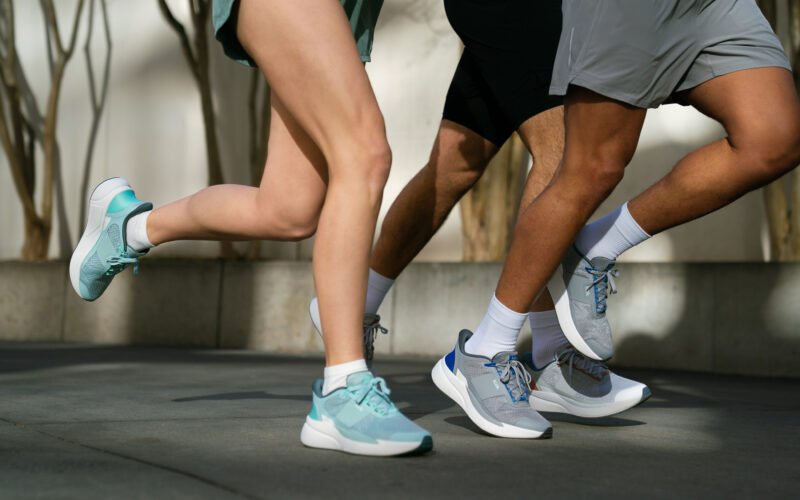
Kizik has launched the Freedom Run, its first performance running shoe, marking a notable expansion from convenience-led casual footwear into a category where product credibility is harder won and easier lost. The new model brings the company’s step-in technology into a performance design built around cushioning, stability, traction, and transition efficiency rather than lifestyle ease alone. Strategically, that matters because running is not just another adjacent footwear segment. It is one of the few categories where product success can elevate a brand’s broader credibility across retail, innovation, and repeat purchase behavior. For Kizik, the Freedom Run is less about one shoe and more about proving that hands-free design can survive contact with a more demanding consumer.
Why is Kizik moving from convenience footwear into the performance running category now?
Kizik’s move into running looks like the logical next step in a brand journey that has so far been built around solving an access and convenience problem. Hands-free entry gave Kizik a differentiated proposition in a crowded shoe market, but differentiation alone only takes a brand so far. Over time, companies built on a single innovation face the same question: can the core technology stretch into more demanding use cases, or does it remain a niche convenience feature? By launching the Freedom Run, Kizik is effectively arguing that its platform is broad enough to serve both everyday users and more active consumers.
That is a commercially meaningful shift. Lifestyle footwear can generate loyal buyers, but performance categories tend to shape brand perception more aggressively. If consumers believe a product can handle running, they are more likely to trust it for walking, travel, work, and all-day wear. In that sense, performance often acts as the halo category. The shoe business likes to pretend every launch is revolutionary, which is usually adorable. In reality, only a few launches actually test whether a company has platform depth. This one does.
The timing also suggests Kizik wants to avoid being boxed in as a novelty brand. Hands-free entry has obvious appeal, but novelty can become a trap if the market begins to view the brand as clever rather than essential. Entering performance running signals ambition to move from solving a convenience moment to owning a broader movement proposition.
What does the Freedom Run reveal about Kizik’s bigger product and technology strategy?
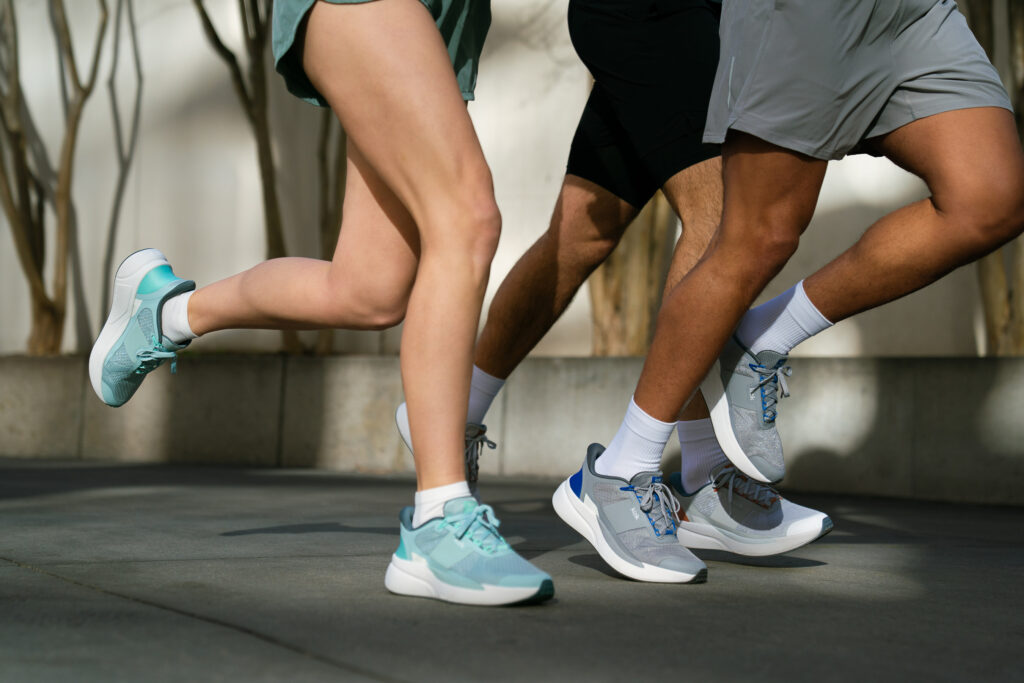
The Freedom Run appears designed to make a familiar argument in a new setting: that convenience should not force a tradeoff with function. Kizik is positioning the shoe around its Internal Flex Arc system, a Tented Heel Pocket, and a new VivaFoam midsole, while also highlighting more traditional running features such as a rocker sole, mesh upper, and rubber outsole with flex grooves. That combination matters because it shows Kizik understands the burden of proof in performance footwear. Step-in entry may attract attention, but runners will judge the product by fit security, energy return, breathability, transition smoothness, and durability.
This is where the launch becomes strategically interesting. If Kizik can persuade consumers that its hands-free system does not compromise heel lockdown or stride confidence, the company gains a stronger claim that convenience technology belongs in technical footwear rather than sitting on the margins of it. If that claim lands, Kizik’s addressable market expands materially. The brand would no longer be selling just ease of use. It would be selling ease plus performance, which is a much more defensible combination.
The introduction of VivaFoam also hints at a broader platform strategy. Brands that want to scale in footwear need more than a single visible feature. They need a technology stack consumers can recognize across categories. A proprietary heel-entry system may be the hook, but midsole identity, ride feel, and product architecture are what allow the company to build families of products rather than isolated launches.
Why could the Freedom Run matter for accessibility, everyday athletes, and retail growth?
One of the more important angles in this launch is that hands-free design can appeal to more than runners chasing pace goals. It also has obvious relevance for parents, older consumers, people with mobility constraints, healthcare workers, and shoppers who simply value frictionless wear. That gives Kizik an unusual position in the market. Most running shoes are sold on speed, recovery, cushioning, or style. Kizik has an opportunity to add accessibility and ease as performance-adjacent purchase drivers.
That does not mean the company is suddenly an adaptive footwear specialist disguised as a running brand. It means the overlap between convenience and performance may be commercially wider than traditional footwear marketing assumes. A shoe that is easy to get into, secure on foot, and comfortable for training or long daily wear could have a broader use case than a narrowly race-driven product. In retail terms, that expands storytelling possibilities across direct-to-consumer channels and wholesale partners.
The price point of $149.95 also places the Freedom Run in a premium but still accessible band for performance footwear. That positioning suggests Kizik is not trying to undercut established running brands on price. Instead, it is attempting to justify a mainstream performance price through differentiated utility. That is the smarter bet. If the technology is genuinely distinct, discount framing would only weaken the brand message.
What are the biggest risks if Kizik tries to compete with established running shoe brands?
The largest risk is simple: runners are skeptical for good reason. Performance footwear buyers can be loyal, vocal, and hard to convert. They are less likely to forgive weaknesses in fit, ride, or durability just because a feature feels convenient in the store. If the Freedom Run performs well for casual joggers but fails to win credibility among more engaged runners, Kizik could find itself stuck in an awkward middle ground between lifestyle comfort and true performance.
There is also a messaging risk. The more Kizik emphasizes the hands-free angle, the easier it may be for serious runners to view the shoe as a clever convenience product rather than a legitimate training option. But if the company downplays the hands-free advantage too much, it loses the very distinction that makes the shoe stand out in the first place. Balancing those two narratives will matter as much as the product specs.
Execution risk extends beyond marketing. Performance shoes often require iterative credibility, athlete feedback, wear testing, and repeat launches that steadily improve the platform. One successful debut helps, but it does not complete the category entry. Kizik will need follow-on product discipline if it wants Freedom Run to become a franchise rather than a headline.
What happens next if the Freedom Run succeeds or fails in the broader footwear market?
If the Freedom Run gains traction, Kizik could open a meaningful second chapter as a brand that bridges convenience innovation and technical footwear. That would create room for category expansion into walking, training, recovery, and hybrid active models, while also strengthening the core business by raising overall brand legitimacy. Success would also pressure competitors to think harder about whether hands-free or step-in systems belong in more functional product lines rather than being treated as gimmicky side projects.
If the launch underwhelms, the consequences are not fatal, but they would be clarifying. Kizik would still retain value as a convenience-first footwear company, yet the limits of its technology story would become harder to ignore. The market would likely interpret the result as proof that hands-free design works best in casual settings and not in performance categories where technical credibility dominates the purchase decision.
Either way, the Freedom Run is an important test. It asks whether footwear innovation can remove friction without introducing compromise. That is a sharper question than the standard sneaker-marketing script, and it is the reason this launch deserves more attention than the average product drop. Kizik is not just selling a new running shoe. It is testing whether convenience can become a serious performance proposition, and whether the next phase of footwear differentiation will be about faster laces, softer foam, or simply getting out the door with less hassle.
What are the key takeaways on what Kizik Freedom Run means for the company, competitors, and the footwear industry?
- Kizik is using Freedom Run to test whether its hands-free platform can evolve from convenience novelty into performance credibility.
- The running category gives Kizik a chance to build a stronger brand halo across all footwear segments, not just athletic products.
- Freedom Run is strategically important because performance success can reshape how consumers value Kizik’s core technology.
- The launch suggests Kizik is trying to avoid being trapped as a niche brand defined only by easy entry.
- The new midsole and technical features indicate the company understands that performance buyers need more than a clever heel mechanism.
- Accessibility and ease-of-use could become a meaningful secondary demand driver in running-adjacent footwear.
- At $149.95, Kizik is positioning the Freedom Run as a mainstream premium product rather than a discount disruptor.
- The biggest commercial risk is that serious runners may still see hands-free design as convenience-first and performance-second.
- If Freedom Run succeeds, it could encourage broader industry experimentation with friction-reducing features in technical footwear.
- If it fails, the result will likely reinforce the view that hands-free innovation is strongest in casual and everyday-use categories.
Discover more from Business-News-Today.com
Subscribe to get the latest posts sent to your email.