





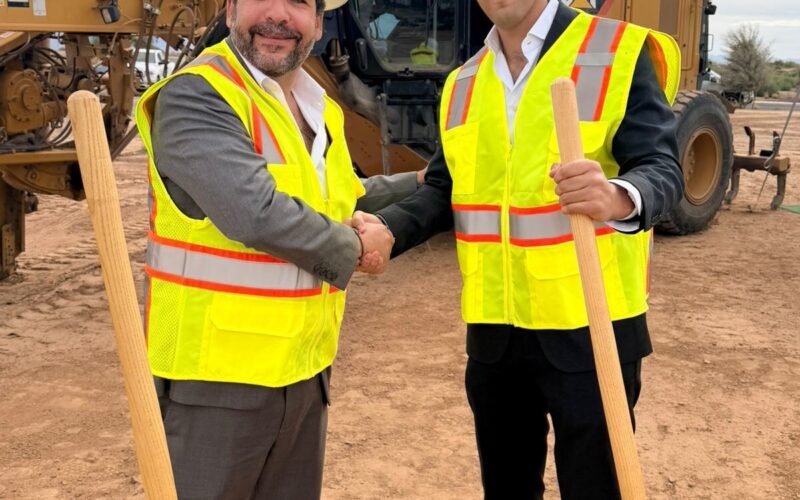
SkyBridge Arizona has broken ground on its first on-campus hotel at SkyBridge Mesa, adding a hospitality layer to an aviation and logistics campus that has already leased more than 800,000 square feet of aeronautical and industrial space. The move matters because it shows the developer is no longer focused only on industrial absorption or aviation-related leasing, but on building a broader ecosystem around tenant operations, executive travel, and long-duration commercial activity. In practical terms, the hotel is not just another building on the map. It is an indication that SkyBridge Arizona sees the East Valley not merely as a fast-growing corridor, but as a maturing business destination that now needs supporting infrastructure to match the scale of its industrial ambitions.
The symbolism of the groundbreaking is important because mixed-use aviation developments tend to become more valuable when they move beyond pure logistics functionality. Warehouses, hangars, and aeronautical facilities create economic activity, but hotels, office nodes, and commercial amenities are often what transform an industrial address into a place where deals actually get done, visiting executives stay overnight, and business relationships deepen. That appears to be the strategic bet at SkyBridge Mesa. The hospitality addition suggests the campus is entering a new phase in which convenience, integration, and tenant stickiness become almost as important as square footage delivery.
Why does a hotel matter so much for the long-term economics of SkyBridge Mesa?
At first glance, a hotel announcement may sound like a side note compared with multimillion-square-foot aviation and industrial plans. In reality, it is often one of the clearest signs that a developer believes a project has achieved enough operational density to support a broader commercial ecosystem. SkyBridge Arizona said the Mesa campus could eventually include up to 2.2 million square feet of aeronautical space, 2 million square feet of industrial and non-aeronautical product, and 270,000 square feet of commercial development. A hotel inside that footprint is a practical response to the needs of the users such a campus attracts, including aviation clients, logistics operators, suppliers, consultants, and corporate visitors.
That matters in the Phoenix metropolitan area because the East Valley has become one of the most active development corridors in the U.S. Southwest. Industrial growth, airport-linked commercial activity, and population inflows have already helped make Mesa and surrounding areas more attractive to corporate occupiers. In that environment, hospitality is less an optional luxury and more a functional tool. A tenant ecosystem with no nearby high-quality lodging can still work, but it is less efficient. A campus with integrated lodging can shorten travel friction, improve site selection appeal, and create a stronger premium around the overall development. Developers do love to call this “placemaking,” which is often real estate language for “we want people to stay longer and spend more.” In this case, though, the logic is fairly concrete.
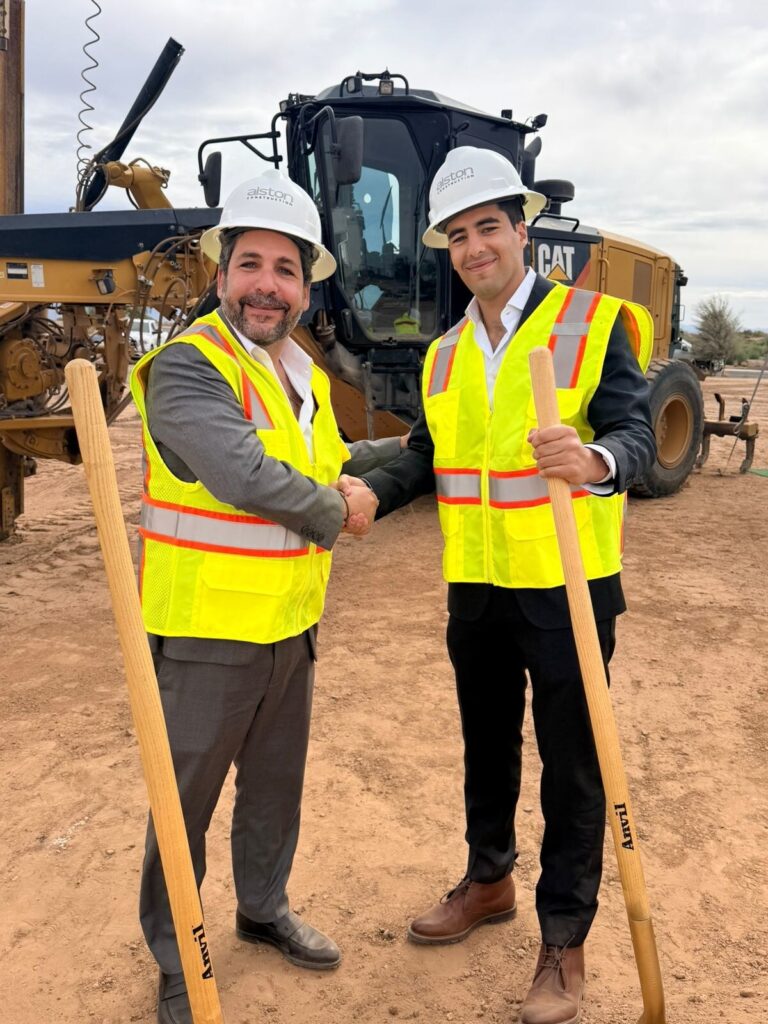
How is SkyBridge Arizona trying to position Mesa within a wider aerospace and logistics network?
SkyBridge Arizona is clearly pitching its Mesa asset as more than a local industrial park. The company describes the site as part of a broader aerospace and logistics strategy linked to international trade, cross-border readiness, and operational flow. That framing matters because the development sits within Phoenix-Mesa Gateway Airport, giving it a direct connection to aviation infrastructure that standard industrial projects cannot easily replicate. For aerospace users, logistics operators, and aviation-adjacent manufacturers, access to airside capability can be a serious differentiator.
The company also noted sister developments in Sonora, Miami, and Guanajuato, with Mesa serving as its flagship U.S. property. That geographic framing suggests SkyBridge Arizona wants the market to view the project not just as a real estate play, but as part of a broader North American corridor strategy. If that vision holds, the hotel becomes a supporting asset for cross-border business movement, supplier coordination, and executive travel tied to aerospace and industrial operations. In other words, the development is attempting to package infrastructure, location, and operational efficiency into a more complete platform.
This is especially relevant in Arizona, where policymakers and developers have spent years trying to position the state as a magnet for advanced manufacturing, aviation, semiconductor-adjacent activity, and high-value logistics. Projects that can align with those macro trends have a better chance of sustaining long-term leasing momentum. A hotel may not create that momentum on its own, but it can support it by making the site more usable for customers, partners, and prospective occupiers.
What does this hotel groundbreaking say about confidence in East Valley commercial growth?
The timing of the hotel project suggests that SkyBridge Arizona sees enough durability in regional demand to justify a deeper capital commitment beyond its initial aeronautical and industrial buildout. Developers do not usually add hospitality product into an emerging campus unless they believe activity levels will support room demand over time. That confidence likely reflects several intersecting trends, including business migration into the Phoenix area, industrial expansion in the East Valley, and the increasing relevance of airport-linked commercial nodes.
The language from company executives leaned heavily on jobs, connectivity, prosperity, and long-term value, which is standard ceremonial rhetoric, but the underlying point is still worth taking seriously. The hotel represents an effort to capture more of the value chain around the campus rather than letting that demand spill over entirely to surrounding submarkets. If successful, it could increase the self-sufficiency of SkyBridge Mesa and make the campus more attractive to tenants who want a more seamless operating environment.
There is also a reputational element here. Developments become more credible when they begin to fill in the secondary layers that serious occupiers expect. Industrial boxes are important, but they are rarely enough to define a destination on their own. Adding hospitality helps reinforce the idea that SkyBridge Arizona is planning for sustained business traffic rather than a short leasing cycle. That narrative could help with future tenant conversations, municipal relationships, and broader market positioning.
Could hospitality make SkyBridge Arizona more competitive against other regional mixed-use industrial hubs?
Yes, although the advantage will depend on execution. A hotel can strengthen competitiveness by improving the usability of a campus for visiting decision-makers and operational teams. That can matter in aerospace and logistics, where deals often involve site tours, supplier meetings, inspection visits, and travel-intensive coordination. A development that can offer those users an integrated experience may stand out more clearly against conventional industrial parks that rely on nearby but disconnected amenities.
The bigger question is whether SkyBridge Arizona can turn this into a broader flywheel. If the hotel is followed by stronger commercial activation, better tenant retention, and continued leasing velocity, the project starts to look more like a full-service business node than a specialized real estate asset. That is where the strategic upside sits. The risk, of course, is that hospitality supply arrives ahead of durable occupancy demand, or that the commercial ecosystem grows more slowly than developers expect. Real estate has a long history of assuming that “if you build the ecosystem, they will come,” and sometimes the ecosystem arrives first while demand takes the scenic route.
Still, the logic at SkyBridge Mesa appears more disciplined than speculative. The company is not adding a hotel to an empty field. It is layering hospitality onto a campus that already has meaningful leased space and a clearly defined aviation-logistics identity. That sequencing improves the credibility of the move.
What happens next as SkyBridge Arizona moves from industrial delivery to ecosystem expansion?
The next phase for SkyBridge Arizona will likely be judged less by ceremony and more by integration. The core question is whether the company can translate its physical buildout into a durable business platform that serves aviation, trade, commercial, and hospitality needs in a connected way. If it can, SkyBridge Mesa may emerge as one of the more interesting mixed-use infrastructure plays in the East Valley, particularly because it sits at the intersection of airport access, industrial capacity, and regional growth.
For Mesa and the broader Phoenix area, the project reinforces a wider economic trend. The region is no longer just attracting housing demand and basic warehousing. It is increasingly being shaped by more specialized development tied to advanced logistics, aerospace infrastructure, and cross-border commerce. That raises the strategic value of campuses that can support not only operations, but also the people, partnerships, and services that surround them.
The hotel itself will not define the success of SkyBridge Arizona. But it does reveal something important about how the developer sees the market. This is no longer a story about proving that industrial or aeronautical demand exists. It is a story about whether that demand is now deep enough to support an ecosystem. That is a more mature, and more ambitious, phase of development. And in Arizona’s East Valley, that shift may turn out to be the real headline.
What are the most important strategic takeaways from SkyBridge Arizona’s Mesa hotel expansion?
- SkyBridge Arizona’s hotel groundbreaking signals a transition from pure industrial buildout toward ecosystem development.
- The Mesa campus is being positioned as a destination for aviation, logistics, and commercial activity rather than just a real estate address.
- Adding hospitality strengthens the value proposition for tenants, suppliers, and executives who need on-site convenience and business continuity.
- The move suggests management sees enough operational density and regional demand to support a broader commercial offering.
- The project reinforces the East Valley’s rise as a serious aviation and infrastructure corridor within the Phoenix metropolitan area.
- A hotel can improve tenant stickiness by making the campus more functional for meetings, site visits, and multi-day business travel.
- SkyBridge Arizona’s wider network in Sonora, Miami, and Guanajuato hints at a broader cross-border platform strategy rather than a single-asset approach.
- The commercial success of the hotel will depend on whether leasing momentum and business traffic continue to deepen across the Mesa site.
- The development may improve SkyBridge Arizona’s competitive position against more conventional industrial parks with fewer integrated amenities.
- For Arizona’s economic development story, the project reflects a broader shift toward infrastructure that supports higher-value aerospace and logistics ecosystems.
Share this:
Discover more from Business-News-Today.com
Subscribe to get the latest posts sent to your email.

