


How is TikTok influencing consumer buying decisions for non-alcoholic RTD beverages in July 2025?
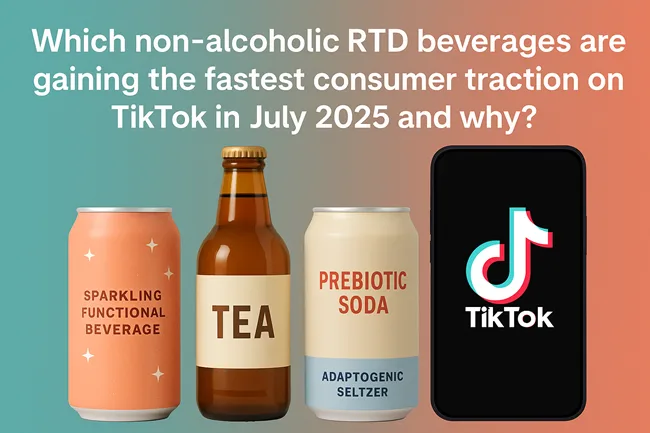
The non-alcoholic ready-to-drink (RTD) beverage category is undergoing a sharp summer surge, and TikTok is driving much of the momentum. Viral content has turned functional teas, adaptogenic seltzers, and prebiotic sodas into highly sought-after products, particularly among Gen Z and younger millennials. July 2025 has already seen a significant lift in sales for brands mentioned in TikTok wellness routines, according to retail trackers monitoring weekly store reorders.
Convenience stores in major U.S. cities, including New York, Los Angeles, and Miami, have reordered functional RTDs more frequently in the past two weeks, with some chains placing special TikTok-inspired signage near checkout coolers. In London and Berlin, similar stocking patterns are emerging as viral reviews trigger sell-outs in urban retail outlets. One mid-sized U.S. grocery chain reported a 12% week-on-week sales increase in its chilled RTD tea segment, a pattern echoed in parts of Western Europe.
Industry executives speaking indirectly through distributor surveys noted that TikTok now acts as a conversion driver rather than just an awareness tool. Many younger consumers reportedly use TikTok reviews to decide which RTDs to try, with some creating “taste-test challenges” that spread quickly across multiple regions.
Which RTD categories are emerging as clear winners in this viral wave and what makes them attractive?
Functional sparkling teas, adaptogenic seltzers, and prebiotic sodas remain at the heart of this trend. The rise of the #SoberCurious and #HealthyHydration hashtags is helping position these RTDs as wellness-focused lifestyle choices rather than simple refreshment options. Videos demonstrating gut-health benefits or low-sugar claims have driven strong engagement, and this sentiment is reflected in retail data.
One functional tea brand based in the U.K. indirectly reported doubling its online orders after a popular TikTok influencer included it in a morning routine video viewed more than 2 million times. Similarly, an adaptogenic seltzer brand from California saw a 20% spike in e-commerce traffic after appearing in a viral “mocktail recipe” tutorial.
Market watchers indirectly linked these successes to TikTok’s visual storytelling format, which makes functional benefits easy to showcase. Unlike traditional advertising, these short videos emphasize real-life use cases, making them relatable to health-conscious audiences.
Can brands sustain this TikTok-driven momentum or is it just a seasonal trend?
While July’s surge is impressive, the sustainability of TikTok-driven demand is still debated. Marketing teams are focusing on micro-influencers, often with 10,000 to 50,000 followers, as their primary promotional channel. These smaller creators deliver authentic narratives such as “day-in-the-life” and “post-workout hydration routines,” which resonate better with Gen Z than scripted ad campaigns.
Geographically, North America and Western Europe remain the strongest markets, but Southeast Asia is emerging as a secondary growth zone. In cities like Singapore and Bangkok, younger consumers are beginning to replicate U.S. and European TikTok trends, and distributors are quietly expanding imports of functional RTDs in response. Larger beverage groups, including PepsiCo and Nestlé, are reportedly tracking TikTok engagement to gauge which products merit wider retail rollouts later in 2025.
Institutional sentiment is cautiously optimistic. Analysts believe that products combining clean labels, functional health benefits, and consistent stocking in convenience chains have a better chance of transitioning from viral sensations to long-term retail staples. However, high distribution costs and the unpredictability of social media trends remain risk factors for investors.
Despite these concerns, the July 2025 wave demonstrates that TikTok is emerging as a serious early-stage demand predictor for beverage companies, particularly in the non-alcoholic RTD segment. Social media monitoring firms tracking beverage mentions have noted that spikes in TikTok engagement often translate into measurable retail sell-through within one to two weeks, making it a valuable forecasting tool for category managers. For brands, this means that TikTok is no longer just a platform for influencer-led marketing but a real-time indicator of consumer interest that can guide production schedules and distribution priorities.
Beverage strategists suggest that companies able to convert short-term viral success into consistent availability across convenience stores, supermarkets, and direct-to-consumer channels will have a significant competitive advantage. Larger players such as PepsiCo and Nestlé are reportedly analyzing viral RTD trends to decide which functional beverages to scale aggressively in late 2025, while emerging brands are using TikTok data to negotiate better shelf placements with retailers. If brands can pair this social virality with reliable retail distribution and strong functional positioning—such as gut health, adaptogenic benefits, or low-sugar credentials—they may set the pace for the next growth phase of the non-alcoholic RTD market, turning fleeting trends into long-term category leadership.
Discover more from Business-News-Today.com
Subscribe to get the latest posts sent to your email.