Ukrainian President Volodymyr Zelenskyy has questioned why Ukraine received no advance warning from international partners before Russian ballistic missiles struck Kyiv, raising concerns about the reliability of intelligence-sharing arrangements that help the country prepare for aerial attacks. The issue emerged on October 13 and remained a subject of international reporting on October 14, as President Donald Trump maintained that the United States continued providing intelligence to Ukraine.
Ukraine reported that five Russian ballistic missiles were used in an attack involving the capital, with energy infrastructure and residential buildings among the sites affected. Kyiv Mayor Vitali Klitschko reported that two people were killed when a high-rise residential building was struck, while additional civilian casualties were reported elsewhere in Ukraine during the latest attacks.
The absence of an early warning does not establish that Washington deliberately withheld intelligence. Ukrainian officials have acknowledged that technical limitations and the speed of ballistic missile operations could explain why the usual warning was not received in time.
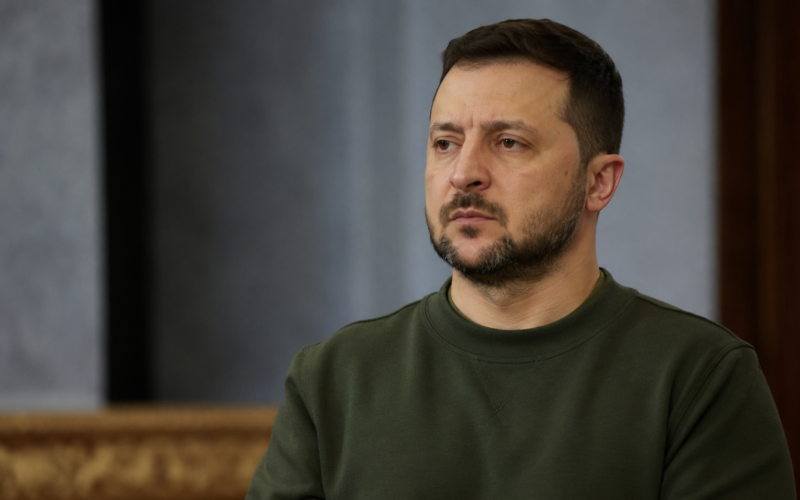
What did Volodymyr Zelenskyy say about the Russian missile attacks on Kyiv?
Zelenskyy said Ukraine did not receive the normal advance notification from international partners before the latest ballistic missile strikes. Such warnings are important because they can help Ukrainian forces and emergency authorities prepare defensive and civilian-protection responses.
The president described the attacks as targeting civilian infrastructure and raised concerns about the consequences of insufficient warning. His comments came during a period of intensified Russian strikes against Ukrainian cities and energy facilities.
The reported attack involved five ballistic missiles, according to the Ukrainian account. Determining the exact targets, impact locations and effectiveness of Ukrainian defences requires examination of the evidence and official reporting rather than assuming every launched missile struck its intended objective.
The central concern is the reliability of warning systems during attacks that develop rapidly. Even relatively short delays can reduce the time available to activate defences and move civilians into shelter.
Has Donald Trump stopped sharing intelligence with Ukraine?
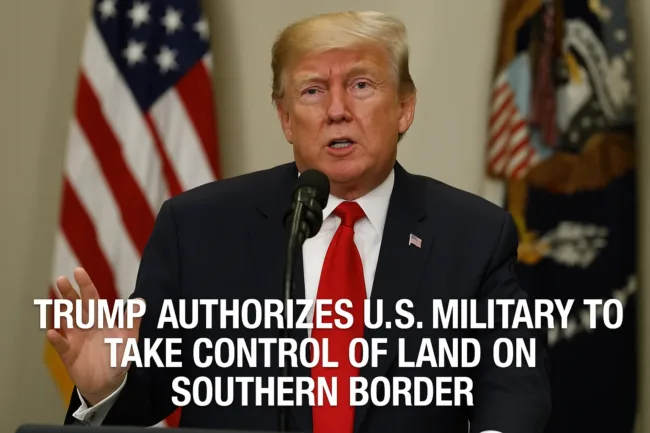
Trump said the United States was continuing to share intelligence with Ukraine, rejecting the implication that Washington had ended such cooperation. His statement provides an important counterpoint to speculation that the absence of a warning reflected a deliberate American decision.
Ukraine’s Foreign Minister Andriy Sybiha also indicated that intelligence cooperation remained active. He suggested that the speed of the Russian missile attack may have contributed to the failure to provide timely warning.
These positions are not necessarily contradictory. A country can continue sharing intelligence while an individual warning fails to arrive quickly enough to be useful.
Establishing the precise cause would require technical information about detection, analysis and communication systems. The available public reporting does not establish whether a particular sensor, network or operational decision caused the failure.
Why do advance warnings matter during Russian ballistic missile attacks?
Ballistic missiles can travel at high speeds, leaving relatively little time between detection and impact. The warning interval can be especially short when launch locations are comparatively close to the intended target.
Ukraine relies on multiple sources of information, including its own surveillance systems and intelligence supplied by international partners. The effectiveness of the overall warning process depends on how quickly information is detected, assessed and communicated.
Advance notification can help military personnel identify threats and allow civilian authorities to issue alerts. However, warning systems do not guarantee that every incoming missile can be intercepted or that all exposed civilians can reach shelter.
The latest controversy highlights operational vulnerabilities rather than proving the complete breakdown of intelligence cooperation. Identifying the underlying cause is important for improving future responses.
What is the dispute over the proposed energy ceasefire between Russia and Ukraine?
The missile attacks have also renewed disagreement over a proposed arrangement concerning attacks on energy infrastructure. Trump had referred to an energy ceasefire intended to reduce strikes against facilities important to civilian life and economic activity.
Zelenskyy said Ukraine had observed the arrangement by refraining from attacks on Russian energy sites, while accusing Moscow of continuing strikes against Ukrainian infrastructure. Russia has offered different accounts of its military activities and intended targets.
The existence of competing statements does not automatically establish that both sides accepted identical terms. A credible assessment would require evidence concerning the agreement’s scope, timing and the conduct covered by it.
The broader issue is whether any limited arrangement can protect energy infrastructure while the wider conflict continues. Without effective implementation and monitoring, public announcements may not translate into reduced risks for civilians.
How could the intelligence dispute affect US-Ukraine relations?
Ukraine depends heavily on international support for defence, including equipment, intelligence and financial assistance. Concerns about the reliability of warning arrangements may therefore influence discussions with Washington and other partners.
The Trump administration has simultaneously sought progress toward a negotiated settlement and pressured Ukraine over operations against Russian energy infrastructure. Those policy positions create disagreements about how Kyiv should conduct its defence while diplomatic negotiations continue.
However, a reported failure to provide a specific warning cannot by itself establish a permanent change in the alliance. Both American and Ukrainian officials have said that intelligence cooperation remains in place.
The immediate practical question is whether the warning process can be improved. The longer-term diplomatic issue concerns the level and conditions of continuing American support during the war.
What happens next after Ukraine’s missing-warning complaint?
Ukrainian officials are expected to examine the circumstances of the failed warning and continue discussions with intelligence partners. Any technical findings could help determine whether communication procedures or detection arrangements need to change.
The country must also continue responding to Russian missile and drone operations, including attacks affecting energy facilities and populated areas. Updated casualty figures and damage assessments may provide a clearer picture of the consequences of the latest strikes.
The October 14 development highlights a serious operational concern, but it does not substantiate claims that the United States intentionally abandoned intelligence cooperation. The distinction between an unsuccessful warning and a policy decision to stop providing intelligence remains fundamental.
What are the key takeaways from Ukraine’s missile-warning dispute?
- Zelenskyy said Ukraine did not receive the expected advance intelligence warning before five Russian ballistic missiles were launched toward Kyiv.
- Ukrainian authorities reported damage to civilian and energy infrastructure, including a residential strike that killed two people in the capital.
- Trump maintained that the United States continues sharing intelligence with Ukraine.
- Ukrainian Foreign Minister Andriy Sybiha also indicated that cooperation remains active and raised the possibility that missile speed affected the warning process.
- The incident does not establish that Washington deliberately withheld intelligence from Ukraine.
- The dispute comes amid continuing disagreements over attacks on energy infrastructure and a proposed limitation on such operations.
- Further technical assessment will be needed to determine why the warning did not arrive in time.
Discover more from Business-News-Today.com
Subscribe to get the latest posts sent to your email.