




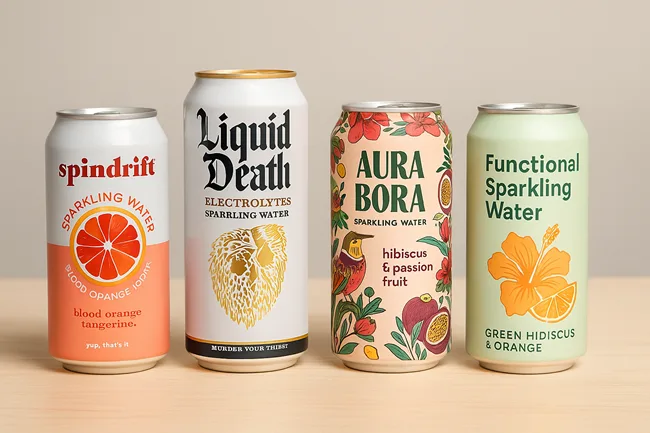
The sparkling water aisle in the United States is undergoing a quiet revolution. Functional sparkling water—beverages that combine fizz with health-forward ingredients like real fruit juice, botanicals, adaptogens, and electrolytes—is rapidly outpacing traditional seltzers in both consumer demand and retail space allocation. From boutique brands to mass-market disruptors, functional sparkling water has evolved into a formidable force in the broader health beverage ecosystem.
Recent market data suggests that the global functional sparkling water category is now valued at approximately USD 7.4 billion, with forecasts estimating a surge to USD 18.4 billion by 2033. This growth implies a compound annual growth rate (CAGR) of 10.8%, far outpacing the average trajectory of traditional carbonated waters. While the overall sparkling water market is expected to grow from USD 47.75 billion in 2025 to USD 108.35 billion by 2032, the functional subset is clearly gaining momentum at a faster clip—indicating a clear shift in consumer priorities.
This growth narrative reflects broader lifestyle changes among younger demographics. Millennials and Gen Z are increasingly replacing sugary sodas and even plain flavored seltzers with drinks that serve dual purposes: hydration and health optimization. Functional sparkling water sits at the intersection of these goals, offering a perceived “cleaner” alternative with wellness credentials built in.
How are legacy sparkling water brands responding to the functional trend, and is this evolution sufficient?
Longtime category leaders such as LaCroix, Bubly, and Polar are attempting to adapt. LaCroix has launched limited-edition flavor infusions with exotic ingredients, while Bubly is piloting electrolyte-enhanced versions aimed at capturing hydration-centric buyers. However, these efforts often feel incremental—add-ons to existing lines rather than category-defining shifts. Analysts suggest that without more robust functional benefits, legacy brands risk stagnation, particularly as retail shelf space becomes increasingly competitive.
By contrast, new-age beverage disruptors are capitalizing on functional purity and brand personality. Spindrift, for example, emphasizes its “real fruit” ethos—each can contains only sparkling water and juice from squeezed fruit, with no additives, artificial flavors, or preservatives. This ingredient transparency has earned it loyalty from wellness-conscious shoppers who are increasingly wary of ambiguous labels like “natural flavors.”
Another standout is Liquid Death, which has grown from a cult-favorite water brand to a broader wellness platform. In addition to its still and sparkling water offerings, the brand has expanded into iced tea and flavored variants containing ingredients like magnesium, L-theanine, and adaptogens. What sets Liquid Death apart isn’t just its striking branding—it’s the way the brand communicates functional benefits through irreverent storytelling, turning hydration into a cultural event.
How large is the broader functional beverage market, and what does that signal for future sparkling water trends?
The rise of functional sparkling water is not an isolated phenomenon. It sits within a much larger transformation in how consumers interact with packaged beverages. The global functional beverage market is currently valued at over USD 168 billion, and is projected to reach approximately USD 297 billion by 2034. In the United States alone, functional beverages account for nearly USD 49 billion and are growing annually at over 6.5%.
More aggressive forecasts place the worldwide market size at over USD 230 billion in 2024, with potential to cross USD 460 billion within a decade. This level of growth is turning what were once niche health-focused products into mainstream contenders. Sparkling water, with its inherently clean and refreshing base, is proving to be an ideal format for carrying functional ingredients like prebiotics, antioxidants, and nootropics without the sugar load associated with juices or energy drinks.
This momentum is influencing investment patterns, product development roadmaps, and in-store merchandising strategies. Retailers and distributors are dedicating cooler and end-cap space to functional sparkling waters, while investors are pouring capital into startups positioned as healthier alternatives to soda or energy drinks.
Can these functional-sparkling brands maintain consumer loyalty, and what ingredients truly matter?
With increased visibility comes heightened scrutiny. Functional sparkling water brands must now go beyond branding and flavor to retain credibility. Consumers are reading ingredient labels, scanning QR codes, and comparing benefit claims across categories. Transparency has become the new baseline, and ingredient integrity is non-negotiable.
This pressure is forcing brands to build credibility not just through influencer marketing but also through functional clarity. Consumers are now asking: Does this sparkling water contain clinically studied ingredients? Are the dosages meaningful? Does it taste good without masking the benefits?
Some of the most successful players in the space are responding with thoughtful formulations and targeted positioning. Kin Euphorics, known for its adaptogen-rich social tonics, has expanded into lighter sparkling formats. AG1 by Athletic Greens, while not a sparkling product, has influenced the sector by raising awareness around ingredient synergy and daily rituals. Brands like Dirtea and Trip are building out CBD and mushroom-based functional lines that pair well with sparkling bases.
Of particular note is Trip’s success—its CBD-infused sparkling beverages have reportedly approached the USD 100 million revenue milestone, driven by bold packaging, wellness-led community outreach, and retail expansion into natural channels. What these brands have in common is their ability to connect ingredient science with cultural moments. They are not just selling hydration; they are selling calm, clarity, energy, and routine—all packaged in a can.
What does this shift mean for retailers and the future of the RTD water category?
Retailers are increasingly treating functional sparkling water as a gateway category—one that draws in consumers interested in health, convenience, and flavor without compromise. This has led to tangible realignment in the ready-to-drink (RTD) segment. Stores like Whole Foods, Sprouts, Erewhon, and even major grocers are now reclassifying sparkling waters based on function rather than flavor alone.
Retailers are also experimenting with multi-channel promotion strategies. Functional waters are being co-merchandised with workout gear, sleep aids, and immunity boosters. In online storefronts, they are tagged under “wellness” rather than just “beverages.” Subscription models are on the rise, allowing brands to build deeper data connections and recurring revenue.
The evolution isn’t just consumer-facing. It’s structural. Beverage distributors are revising SKU placement strategies, allocating cooler space to functional offerings and phasing out low-velocity SKUs from traditional players. Brands that once owned entire shelves are now sharing space with newcomers offering benefits like hydration + focus, calm + energy, and detox + immunity.
What does the future hold for functional sparkling water in terms of innovation and capital flow?
Looking ahead, the category is expected to further splinter into micro-niches, with functional sparkling water evolving to meet increasingly personalized health goals. Whether it’s sparkling collagen for skin health, probiotic blends for gut support, or adaptogenic fusions for stress resilience, the innovation curve is steep—and the competitive moat is deepening.
M&A activity is likely to intensify. Large CPG firms that have historically dominated carbonated beverages will continue eyeing high-growth functional brands as acquisition targets. Strategic partnerships with wellness startups, clinical labs, and supplement formulators will also emerge as ways to co-create functional SKUs with differentiated positioning.
But the biggest driver will remain consumer behavior. As buyers continue to link beverage choices with physical and mental well-being, functional sparkling water is poised not just to coexist with traditional beverages—but to overtake them in cultural significance and shelf presence.
Discover more from Business-News-Today.com
Subscribe to get the latest posts sent to your email.

