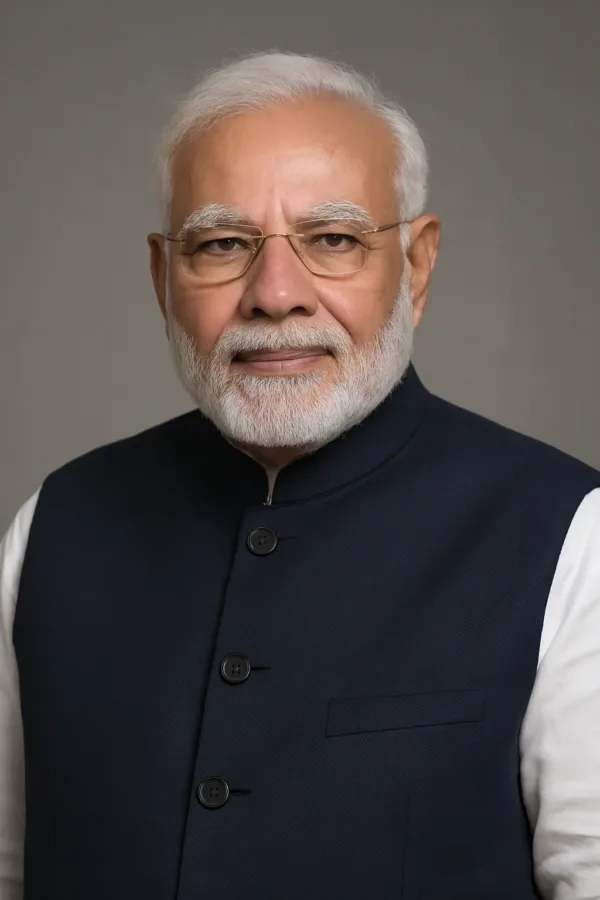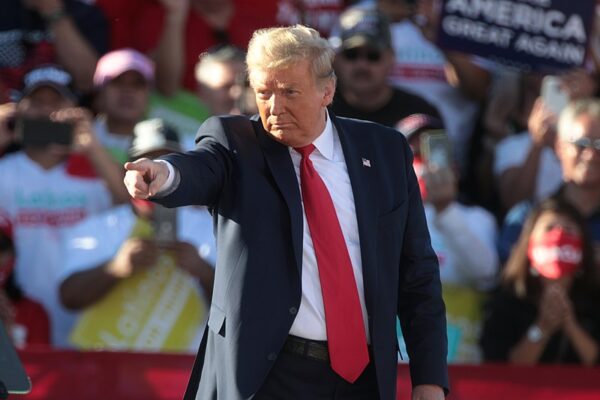





The United States has formally removed Syria from its list of State Sponsors of Terrorism, ending a designation imposed in 1979 and dismantling one of the most persistent barriers to the country’s return to the international financial system. The decision took effect after a required 45-day congressional review following President Donald Trump’s July 8 notification that his administration intended to rescind the designation. Secretary of State Marco Rubio said Washington was responding to steps and commitments made by President Ahmed al-Sharaa’s government to distance Syria from international terrorism, while Damascus described the move as the removal of the final major obstacle preventing large-scale foreign investment. The decision completes a remarkable transformation in U.S.-Syria relations less than two years after al-Sharaa led the rebel coalition that overthrew longtime President Bashar al-Assad in December 2024.
The delisting carries consequences extending far beyond diplomatic symbolism because a State Sponsor of Terrorism designation triggers restrictions on foreign assistance, defense exports, certain dual-use technologies and financial transactions. Washington had already dismantled its comprehensive sanctions program against Syria in July 2025, but banks and multinational companies remained cautious because the terrorism designation created additional legal and compliance risks. Removing it could make reconstruction financing, international payments and foreign investment substantially easier as Syria attempts to rebuild an economy devastated by nearly 14 years of civil war.
Syria leaves a US terrorism blacklist it had occupied continuously since 1979
Syria had remained on Washington’s terrorism list longer than almost any other country. The United States first designated the government of Hafez al-Assad in December 1979 over its support for militant organizations, and the designation continued throughout the decades-long rule of his son Bashar al-Assad.
Relations deteriorated even further after Syria’s uprising began in 2011 and developed into a prolonged civil war. Washington subsequently imposed layers of additional sanctions in response to Assad government attacks on civilians, alleged chemical weapons use and cooperation with Iran and Russia, creating one of the world’s most restrictive sanctions environments.
The overthrow of Assad in December 2024 fundamentally changed Washington’s calculation. Al-Sharaa emerged as Syria’s new leader after his rebel coalition captured Damascus, forcing the United States to decide whether sanctions designed to weaken the former government were now preventing the country’s new authorities from stabilizing and rebuilding the state.
Trump moved aggressively toward normalization. His June 2025 executive order terminated broad Syria sanctions while directing the State Department to review the country’s terrorism designation, reflecting an administration strategy of giving the post-Assad government an opportunity to demonstrate that it had broken with the policies that originally isolated Syria.
Ahmed al-Sharaa’s transformation from insurgent commander to US partner drives policy reversal
The political transformation is particularly striking because al-Sharaa himself once led the Nusra Front, an organization affiliated with al Qaeda during the Syrian civil war. He publicly broke with al Qaeda in 2016 and later led the organization that became Hay’at Tahrir al-Sham before emerging as the dominant military figure behind Assad’s overthrow.
Washington has gradually shifted from treating al-Sharaa principally through the lens of his militant past toward evaluating the policies of the government he now leads. U.S. officials have praised cooperation against Islamic State and said the new authorities have made commitments intended to distance Syria from international terrorism while improving regional stability.
Rubio explicitly linked the August delisting to what he described as positive actions and further commitments by the al-Sharaa government. The administration has nevertheless continued emphasizing that normalization is conditional rather than unconditional, with earlier White House guidance identifying counterterrorism cooperation, treatment of foreign fighters, relations with Israel and preventing an Islamic State resurgence among Washington’s priorities.
The decision therefore represents a strategic wager rather than a declaration that Syria’s security problems have disappeared. The State Department continues to classify Syria under its highest Level 4 travel advisory, warning Americans against traveling there because of terrorism, armed conflict, kidnapping, civil unrest and crime.
Terrorism delisting removes a major obstacle for banks considering a return to Syria
The most immediate impact could appear in finance rather than diplomacy. Even after comprehensive sanctions were removed, international banks remained concerned that doing business with Syrian institutions could expose them to legal risks associated with the country’s continuing State Sponsor of Terrorism designation.
The Treasury Department has already clarified that American financial institutions can provide services to Syria, process transactions involving Syrian banks and establish correspondent banking relationships when sanctioned individuals or entities are not involved. Removing the terrorism designation substantially reduces another layer of uncertainty that had made compliance departments hesitant to approve transactions.
Syria’s government views access to international banking as fundamental to reconstruction. Foreign Minister Asaad al-Shibani described the terrorism designation as the final major obstacle preventing investment and said its removal could reconnect Syria with the global economic and financial system.
That process will not happen immediately because years of sanctions and conflict weakened Syrian financial institutions and disconnected the economy from conventional global payment networks. Investors must also evaluate political stability, contract enforcement, security and infrastructure conditions before committing significant capital, meaning legal permission to invest is only the beginning of Syria’s reintegration.
Bank of America and Mastercard interest shows international companies are already testing the market
Signs of corporate interest were emerging even before Washington completed the delisting. Syria’s Finance Ministry said Finance Minister Mohammad Yisr Barnieh recently held discussions with Bank of America executives about potential cooperation and the country’s reintegration into international finance.
Mastercard has moved further, announcing plans with QNB Group and Syria’s central bank to develop infrastructure supporting international card payments. The company has described itself as an early investor in the country and has said it wants to reconnect Syrian consumers and companies with global payment systems.
Those developments matter because rebuilding Syria will require far more than government aid. Housing, telecommunications, electricity, transportation, banking, hospitals and industrial facilities all suffered enormous damage during the civil war, creating reconstruction needs that could require hundreds of billions of dollars over many years.
Foreign companies will still approach that opportunity cautiously. Investors must assess whether the new government can establish lasting security, maintain predictable economic policies and protect minority communities while preventing armed groups from destabilizing the state, making political progress inseparable from economic recovery.
Washington retains targeted sanctions against Assad allies, Islamic State and Iranian networks
Removing Syria from the terrorism list does not eliminate every U.S. sanction connected with the country. The Trump administration deliberately preserved targeted restrictions against Bashar al-Assad and his associates, individuals accused of human-rights abuses, drug traffickers, Islamic State and al Qaeda affiliates and Iranian proxy networks.
That distinction allows Washington to encourage broad economic reconstruction without granting immunity to individuals or organizations associated with previous abuses or continuing security threats. Companies entering Syria will therefore still need sanctions-screening systems capable of identifying prohibited counterparties.
The policy also gives Washington leverage over the al-Sharaa government. If Syria moves back toward support for designated organizations or fails to meet security commitments, the United States retains substantial financial tools that could again restrict access to markets and international banking.
Trump’s approach consequently differs from simply declaring the post-war country fully normalized. The administration is attempting to replace broad restrictions affecting the entire Syrian economy with targeted measures aimed at specific actors considered responsible for terrorism, repression or destabilizing activity.
US decision also removes Nusra Front designation as Syria’s former rebel movement undergoes historic reclassification
The August announcement also removed the Nusrah Front from the U.S. list of Specially Designated Global Terrorist organizations. The development carries unusual symbolism because al-Sharaa previously commanded the group before severing ties with al Qaeda and reshaping his political and military movement.
Washington’s willingness to change those classifications demonstrates how rapidly Syria’s geopolitical position has shifted since Assad’s fall. An armed movement once regarded principally as part of the jihadist ecosystem now provides much of the leadership for a government with which the United States is building an increasingly direct relationship.
That transformation remains controversial because critics question whether ideological change inside the former rebel leadership is genuine and durable. Supporters of engagement argue that continued isolation would weaken the government, increase economic desperation and potentially create conditions in which extremist groups could regain influence.
The administration has clearly chosen engagement for now, calculating that economic reintegration provides stronger incentives for Damascus to cooperate with Washington than preserving sanctions originally constructed around a government that no longer exists.
Syria reportedly reduced Russian oil imports during negotiations with Washington
The terrorism delisting also illustrates how sanctions relief can influence Syria’s foreign policy. Damascus agreed during negotiations with Washington to sharply reduce imports of Russian oil, according to Reuters reporting cited in connection with the removal.
That development carries strategic significance because Russia was one of Assad’s most important military supporters and intervened directly in the civil war to preserve his government. The post-Assad leadership has attempted to rebalance Syria’s foreign relationships while avoiding complete dependence on any one outside power.
Washington has strong incentives to encourage that transition. A Syria economically integrated with Western and Gulf markets would potentially reduce opportunities for Russia and Iran to regain the extraordinary influence they possessed under Assad, while providing neighboring Arab governments with greater incentives to participate in reconstruction.
Economic reconstruction therefore doubles as geopolitical competition. Decisions involving oil imports, banking relationships, infrastructure investment and international payments could determine whether the new Syria remains connected primarily with former Assad allies or moves into a broader regional and Western economic system.
Cuba, Iran and North Korea become the only countries remaining on US terrorism sponsor list
Syria’s removal leaves Cuba, Iran and North Korea as the three governments Washington continues to designate as State Sponsors of Terrorism. The shrinking list highlights the exceptional nature of the designation, which carries consequences substantially broader than ordinary targeted sanctions.
The contrast with Iran is particularly striking given Washington’s simultaneous escalation of economic pressure on Tehran. While the United States is opening financial channels with Damascus, it is threatening deeper secondary sanctions against countries and businesses continuing to trade with Iran, illustrating two sharply different uses of American economic power.
Syria is being offered access to investment and international finance as an incentive for political and security cooperation. Iran, by comparison, faces increasing isolation intended to force changes in its regional and nuclear policies.
For Syria, the August 24 decision closes one chapter but begins a much more difficult economic test. Removing legal barriers can encourage capital to return, but investors will ultimately judge the country on security, governance and whether al-Sharaa’s government can maintain the stability necessary to rebuild after more than a decade of devastation.
Key takeaways from the US removal of Syria from its terrorism sponsor list
- The United States removed Syria from its State Sponsors of Terrorism list after a designation that had remained continuously in place since 1979.
- The decision took effect after a 45-day congressional review triggered by Trump’s July 8 notification that he intended to rescind the designation.
- Marco Rubio said the move recognizes commitments by Ahmed al-Sharaa’s government to distance Syria from international terrorism.
- Removing the designation reduces restrictions affecting foreign assistance, defense trade, dual-use technology and certain financial transactions involving Syria.
- Washington had already ended comprehensive Syria sanctions in 2025, but the terrorism designation continued discouraging international banks and investors.
- Syrian officials believe the delisting could accelerate reconstruction by reconnecting the country with global banking, payments and investment networks.
- Bank of America has discussed potential cooperation with Syrian officials, while Mastercard is working to develop international payment infrastructure.
- The United States continues targeted sanctions against Bashar al-Assad associates, rights abusers, drug traffickers, Islamic State members and Iranian proxies.
- Washington also removed the Nusrah Front’s Specially Designated Global Terrorist classification, underscoring the dramatic shift in relations with Syria’s new leadership.
- Cuba, Iran and North Korea are now the only countries remaining on the United States State Sponsors of Terrorism list.
Discover more from Business-News-Today.com
Subscribe to get the latest posts sent to your email.