The United Kingdom has warned at the United Nations Economic and Social Council that the crisis in the Strait of Hormuz is creating global economic and development pressures, with the sharpest impact being felt across the Global South.
Helen King, United Kingdom Ambassador to the United Nations Economic and Social Council, said at a special meeting in New York on 15 May 2026 that disruption linked to the Strait of Hormuz had triggered higher costs for oil, gas and fertilisers, while also intensifying pressure from rising interest rates, disrupted remittances and increased displacement.
The United Kingdom statement framed the Strait of Hormuz crisis as a development emergency as much as an energy security problem. Helen King said the pressures now facing vulnerable economies threatened food security, energy security, global economic stability and hard-won development gains.
The statement was delivered at the United Nations Economic and Social Council meeting on “Safeguarding energy and supply flows: Supporting global development through international cooperation,” a forum convened as governments, international financial institutions and United Nations agencies face mounting pressure to coordinate responses to disruption in critical energy and supply corridors.
Why is the United Kingdom treating the Strait of Hormuz crisis as a global development risk?
The United Kingdom’s intervention placed the Strait of Hormuz crisis within a wider development framework rather than treating it only as a maritime or energy market disruption. Helen King said the crisis had created challenges across the world, with the Global South facing the most acute consequences.
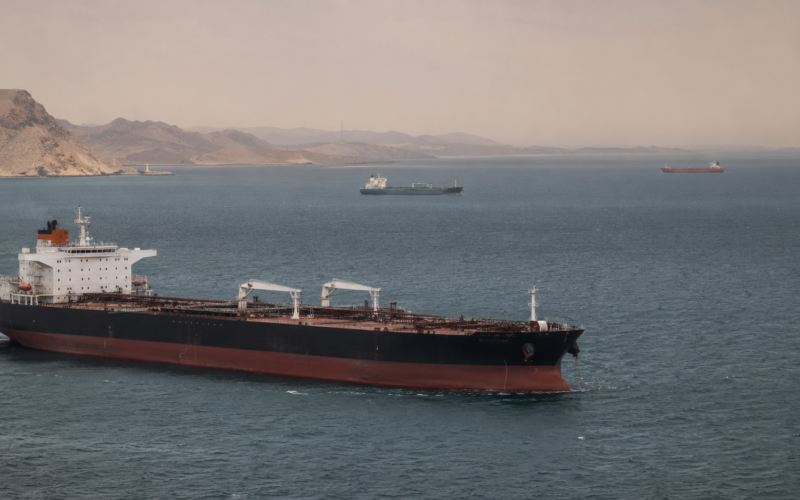
The Strait of Hormuz remains one of the world’s most strategically important energy corridors because disruptions to commercial shipping can quickly affect fuel, fertiliser and goods flows. For developing economies that depend heavily on imported energy, imported food inputs and external financing, the effect of higher prices can move rapidly from shipping lanes to household budgets, government balance sheets and food supply chains.
The United Kingdom warned that higher oil and gas costs were combining with higher fertiliser costs, disrupted remittance flows, rising interest rates and increased displacement. That combination matters because many lower-income and middle-income countries face several shocks at once rather than one isolated price increase.
In practical terms, expensive fuel can raise transport and electricity costs, expensive fertiliser can weaken agricultural output, and disrupted remittances can reduce household income in countries where families depend on money sent from abroad. Higher interest rates can make emergency borrowing more expensive, while displacement can put additional pressure on public services and humanitarian systems.
By linking all these pressures, the United Kingdom positioned the crisis as a test of international cooperation. The message was clear: reopening shipping routes is important, but it is not enough if vulnerable economies are left without finance, food security buffers and longer-term energy resilience.
How is the United Kingdom using diplomacy to push for freedom of navigation in the Strait of Hormuz?
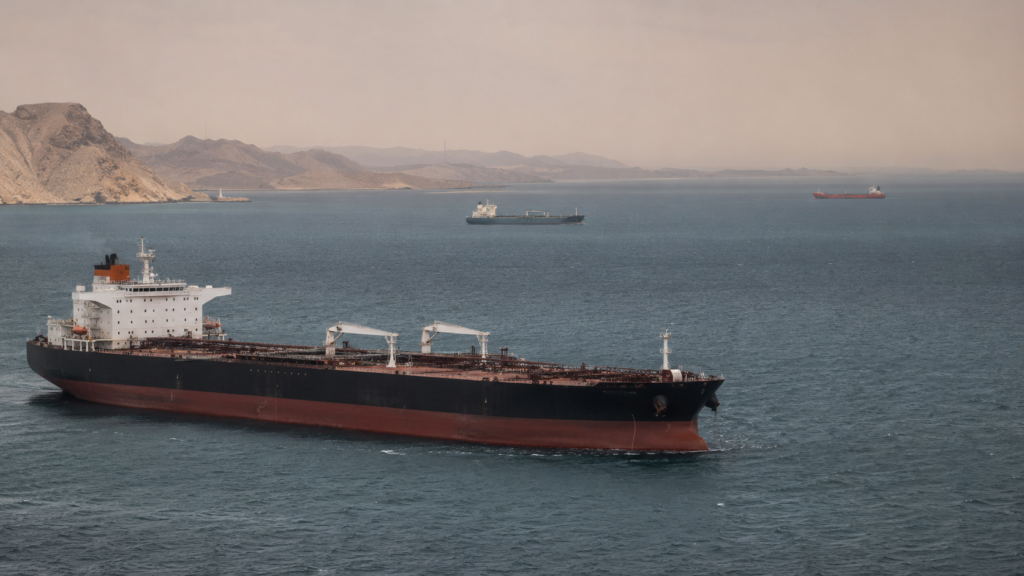
Helen King said the United Kingdom, alongside other countries, was using diplomatic channels to try to get the Strait of Hormuz fully reopened, restore freedom of navigation and get commercial shipping moving again.
The emphasis on freedom of navigation reflects the central importance of maritime access to global trade. The United Kingdom statement said fuel, fertilisers and goods needed to reach the places where they were most needed. That framing connects maritime security directly to development outcomes, especially in countries where supply interruptions can quickly worsen inflation and shortages.
The United Kingdom did not present the diplomatic track as a standalone measure. Instead, the statement placed diplomacy alongside emergency finance, supply-chain risk mapping and clean energy diversification. That structure matters because it indicates that the United Kingdom sees the Strait of Hormuz crisis as a multi-layered shock.
Commercial shipping disruption can affect insurers, freight rates, commodity traders, ports, importers and consumers. When those disruptions involve essential goods such as fuel and fertilisers, the economic impact can widen quickly. This is why the United Kingdom’s language at the United Nations Economic and Social Council focused not only on reopening the Strait of Hormuz but also on getting goods moving again.
For the Global South, the freedom of navigation question is not an abstract legal issue. It is linked to the price of diesel, electricity, fertiliser, food transport and government subsidy bills. The United Kingdom’s statement sought to connect those downstream consequences with the need for coordinated diplomatic action.
Why are the World Bank, International Monetary Fund and regional development banks central to the UK response?
The United Kingdom said it was working with the World Bank, the International Monetary Fund and regional development banks to unlock emergency funding for countries hit hardest by the Strait of Hormuz crisis.
Helen King welcomed action by global financial institutions to use pre-arranged finance to stabilise economies. The reference to pre-arranged finance is important because crisis-hit countries often need rapid liquidity before wider economic damage becomes entrenched. Delayed finance can leave governments with difficult choices between protecting food supplies, subsidising fuel, defending currencies or maintaining debt service.
The United Kingdom’s statement highlighted the role of international financial institutions as crisis stabilisers. The World Bank, the International Monetary Fund and regional development banks can provide financing, technical support and policy coordination at a scale that individual bilateral donors cannot easily match.
For developing economies, the immediate risk is not only higher import prices. It is the possibility that higher prices trigger currency pressure, fiscal stress and reduced public spending. A country that spends more on energy imports may have less fiscal space for food programmes, health services, infrastructure or debt repayment.
The United Kingdom’s position suggests that financial resilience is now part of energy security. If countries cannot afford imports or cannot access emergency financing, supply availability alone will not prevent instability. This is why the United Kingdom linked the Strait of Hormuz crisis to rising interest rates and global development rollbacks.
How could fertiliser and food supply disruption deepen pressure on vulnerable economies?
The United Kingdom warned that the crisis was affecting fertiliser costs and food security, making supply-chain resilience a central part of the international response.
Helen King said the United Kingdom was mapping supply-chain risks for food and fertilisers and assessing where resilience could be strengthened. The aim, she said, was to help countries prepare for shortages, reduce dependencies and keep markets stable.
Fertiliser is a critical input for agricultural production. When fertiliser prices rise or supplies become uncertain, farmers may cut usage, delay planting decisions or face higher production costs. In import-dependent countries, that can raise food prices and weaken food security, especially for low-income households.
The United Kingdom also said it was working to prevent export restrictions. This point is significant because export controls during crises can worsen global shortages. When countries restrict food or fertiliser exports to protect domestic markets, international prices can rise further and importing countries can face deeper stress.
The statement also linked immediate supply-chain management with longer-term investment in sustainable farming and improved fertiliser. That shows a dual-track approach: prevent shortages now, while reducing exposure to future shocks.
The broader implication is that the Strait of Hormuz crisis is not only about oil tankers and gas shipments. It is also about food systems. Energy prices affect fertiliser production, fertiliser prices affect crop yields, and crop yields affect food inflation and political stability.
Why is the United Kingdom linking the Strait of Hormuz crisis to clean energy diversification?
The United Kingdom said the crisis underlined the need to reduce overdependence on imported fossil fuels and diversify toward clean and renewable energy sources.
Helen King pointed to the United Kingdom-led Global Clean Power Alliance as part of the response to bottlenecks in the clean energy transition. The statement placed clean power not only in a climate policy context, but also in an energy security and development resilience context.
This framing is important because the Strait of Hormuz crisis shows how dependence on imported fossil fuels can expose countries to geopolitical shocks. Countries that rely heavily on imported oil and gas can face sudden cost increases when maritime routes are disrupted. Clean and renewable energy systems, if supported by adequate grids, storage and finance, can reduce exposure to imported fuel volatility over time.
The United Kingdom’s clean energy argument does not remove the immediate need to restore commercial shipping. Instead, it adds a longer-term policy lesson. The more countries rely on concentrated fossil fuel corridors, the more vulnerable they remain to geopolitical disruption, shipping risk and commodity price shocks.
For the Global South, the clean energy transition also depends on finance, technology access, grid investment and supply-chain capacity. That is why the United Kingdom’s statement connected clean power with international cooperation. Renewable energy deployment is not only about generation assets. It also requires transmission infrastructure, regulatory coordination, investment mobilisation and resilient supply chains.
What role does the United Nations Economic and Social Council have in coordinating the global response?
The United Kingdom said the United Nations had a critical role in aligning United Nations agencies, international financial institutions and development banks behind a shared system-wide response.
Helen King commended efforts underway through the World Trade Organization, the Food and Agriculture Organization of the United Nations, the United Nations Conference on Trade and Development and other institutions. The United Kingdom also encouraged greater coordination among those bodies.
The United Nations Economic and Social Council is a relevant platform because the crisis cuts across trade, finance, food systems, energy security and development. No single institution can manage all these issues alone. The World Trade Organization can address trade restrictions, the Food and Agriculture Organization of the United Nations can support food and agricultural analysis, the United Nations Conference on Trade and Development can examine trade and development impacts, and international financial institutions can support emergency financing.
The United Kingdom’s statement therefore treated coordination as a policy requirement, not a diplomatic formality. Fragmented responses can create gaps, duplication and delays. A coordinated response can help governments understand where supply risks are emerging, where finance is needed, and where export restrictions or market distortions could make the crisis worse.
The next diplomatic pressure points identified by the United Kingdom include its Global Partnerships Conference next week and the upcoming African Development Bank and Asian Development Bank meetings. That indicates the United Kingdom intends to carry the Strait of Hormuz crisis into finance and development forums beyond the United Nations Economic and Social Council.
What are the key takeaways from the United Kingdom statement on the Strait of Hormuz crisis?
- The United Kingdom warned at the United Nations Economic and Social Council that the Strait of Hormuz crisis is creating global challenges, with the Global South most acutely affected.
- Helen King said higher oil, gas and fertiliser costs, rising interest rates, disrupted remittances and increased displacement were worsening pressure on millions of people.
- The United Kingdom said it was using diplomatic channels to push for the Strait of Hormuz to be fully reopened and for freedom of navigation to be restored.
- The United Kingdom said it was working with the World Bank, International Monetary Fund and regional development banks to unlock emergency funding for countries hit hardest.
- The United Kingdom linked the crisis to the need for clean energy diversification, supply-chain resilience and stronger coordination among United Nations agencies and development institutions.
Discover more from Business-News-Today.com
Subscribe to get the latest posts sent to your email.