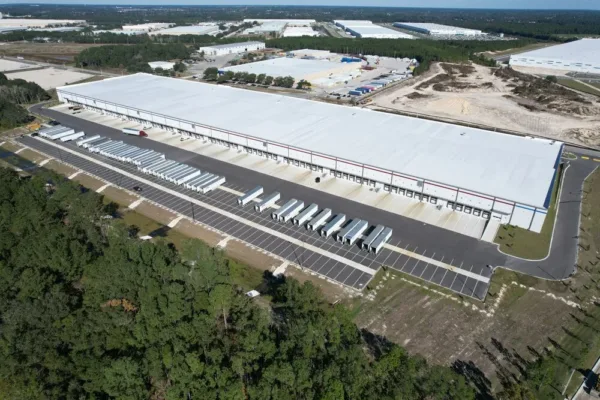




TMX Group Limited has agreed to acquire Cboe Australia and Cboe Canada from Cboe Global Markets Inc. for approximately $300 million, a move that signals a deliberate shift toward multi-market scale and deeper control over trading infrastructure across jurisdictions. The transaction positions TMX Group Limited to consolidate domestic market share while extending its operational footprint into Australia, reinforcing a strategy centered on integration, efficiency, and cross-border growth.
This is not simply an acquisition of two regional venues. It reflects a structural recalibration in how exchange operators compete. Scale, connectivity, and product breadth are increasingly determining competitive advantage, and TMX Group Limited is aligning itself with that reality.
Global exchanges are no longer defined by national boundaries. They are evolving into platforms that capture liquidity, data, and capital formation across multiple regions. In that context, the acquisition represents a strategic pivot from defending domestic leadership to actively shaping cross-border market ecosystems.
How does the integration of Cboe Canada reshape TMX Group Limited’s control over domestic liquidity and trading economics?
The Canadian component of the transaction carries the most immediate operational implications. Cboe Canada operates multiple trading venues, including MATCHNow and the NEO platforms, which have historically competed with TMX Group Limited’s core exchanges for order flow.
By internalizing these venues, TMX Group Limited gains the ability to rationalize liquidity fragmentation that has defined the Canadian market structure for years. The potential benefits are clear. Improved execution quality, lower transaction costs, and more efficient routing of trades could emerge if integration is executed effectively.
At the same time, consolidation introduces a more nuanced dynamic. Reduced competition among trading venues can improve efficiency, but it may also attract regulatory scrutiny if market participants perceive diminished choice or pricing pressure. Canadian regulators will likely assess whether the transaction enhances overall market quality without compromising fairness or transparency.
From a financial standpoint, the assets provide a stable revenue base. Combined, Cboe Australia and Cboe Canada generated approximately $87 million in revenue and $25 million in adjusted EBITDA in 2025. While modest relative to TMX Group Limited’s broader operations, these contributions offer predictable cash flows and a platform for incremental margin expansion through cost synergies.
Why is TMX Group Limited targeting Australia to extend its influence across resource-driven capital markets?
The acquisition of Cboe Australia introduces a longer-term strategic dimension that extends beyond domestic consolidation. Australia represents one of the world’s most active markets for mining, energy, and commodities financing, sectors where Canada already holds a strong position.
This alignment is not coincidental. By linking Canadian and Australian capital markets, TMX Group Limited is positioning itself at the center of global capital flows tied to resource development and energy transition. These sectors are expected to remain structurally important as governments and corporations invest in critical minerals, infrastructure, and decarbonization initiatives.
The potential for cross-listings, dual-market capital raising, and shared investor access becomes more tangible in this context. Companies operating in resource-intensive sectors could benefit from exposure to both Canadian and Australian investor bases, while TMX Group Limited captures value across the lifecycle of capital formation.
There is also a product dimension to consider. Exchange operators increasingly rely on derivatives, ETFs, and structured products to drive growth. Owning platforms in complementary markets creates opportunities to replicate successful products across jurisdictions, enhancing both scale and profitability.
What financial discipline and capital allocation signals does this transaction send to institutional investors?
For institutional investors, the most immediate takeaway is the disciplined nature of the transaction. At approximately $300 million, the acquisition represents a relatively contained capital outlay for TMX Group Limited, particularly given the expectation of earnings accretion within 12 months of closing.
This suggests a preference for incremental, earnings-accretive deals rather than large-scale transformative acquisitions that carry higher execution risk. In an environment where capital markets infrastructure companies are under pressure to demonstrate consistent returns, this approach is likely to resonate with long-term shareholders.
Investor sentiment toward TMX Group Limited has generally been anchored in its stable cash flows and defensive characteristics as a market infrastructure provider. This transaction reinforces that positioning while introducing a measured growth vector.
However, the absence of detailed synergy guidance leaves some uncertainty. Investors will look for early evidence that integration is delivering cost efficiencies and revenue enhancements. Without clear metrics, the burden shifts to execution and transparency in post-closing performance.
How might regulatory approvals and cross-border integration complexity influence the success of this deal?
The transaction is subject to regulatory approvals in both Canada and Australia, with each component expected to close separately. This staggered structure introduces execution complexity that extends beyond standard merger integration.
In Canada, regulators are likely to focus on market structure implications, particularly the impact on competition among trading venues. Any conditions imposed could shape how aggressively TMX Group Limited can consolidate operations and capture synergies.
In Australia, the regulatory environment will emphasize continuity and stability, especially given Cboe Australia’s recent expansion into corporate listings. Ensuring that issuers and investors experience minimal disruption will be critical to maintaining confidence in the platform.
Integration risk also extends to technology and operations. Aligning trading systems, harmonizing data infrastructure, and integrating client interfaces are complex processes that require careful coordination. Even minor disruptions in exchange operations can have outsized consequences, making execution precision essential.
How does this transaction reposition TMX Group Limited against global exchange operators and evolving competitive pressures?
The competitive implications of the deal extend beyond TMX Group Limited. Cboe Global Markets Inc.’s decision to divest these assets suggests a strategic reallocation of focus, potentially toward higher-margin or more scalable segments within its portfolio.
For TMX Group Limited, the acquisition narrows the gap with larger global exchange operators that have pursued multi-market strategies. Scale is increasingly critical, not only for capturing trading volume but also for monetizing market data and supporting advanced financial products.
The industry is moving toward integrated ecosystems where exchanges serve as hubs for trading, data analytics, and capital formation. In this environment, regional operators face a strategic choice between consolidation and specialization. TMX Group Limited has clearly opted for consolidation, seeking to build a broader platform that can compete on multiple fronts.
This repositioning also introduces new competitive dynamics. By expanding into Australia, TMX Group Limited enters a market with established incumbents and sophisticated participants. Success will depend on its ability to differentiate through efficiency, product innovation, and client engagement.
What execution risks and structural challenges could still limit the upside of TMX Group Limited’s multi-market expansion strategy?
Despite the strategic rationale, several risks could influence the outcome over the next 12 to 24 months. Integration remains the most immediate challenge, particularly in aligning technology platforms and operational processes across jurisdictions.
Regulatory constraints could also limit the extent to which TMX Group Limited can fully consolidate its Canadian operations or implement changes that materially alter market structure. Any delays or conditions could affect the timeline for realizing synergies.
Market participant response is another critical variable. Brokers, institutional investors, and issuers will evaluate whether the combined platform delivers tangible improvements in cost, liquidity, and execution quality. If perceived benefits are limited, adoption may lag expectations.
There is also exposure to broader market conditions. Exchange revenues are closely tied to trading volumes and listing activity, both of which are sensitive to macroeconomic trends. A downturn in market activity could dampen the financial impact of the acquisition, even if integration is executed effectively.
What happens next as TMX Group Limited executes on integration and tests its global growth thesis?
The next phase of this strategy will be defined by execution rather than ambition. Early indicators of success will include seamless operational integration, retention of key clients, and measurable improvements in trading efficiency.
Investors will also monitor the emergence of cross-market synergies. The ability to facilitate listings, capital raising, and product innovation across Canadian and Australian platforms will serve as a key validation of the strategic thesis.
Over time, the transaction could act as a catalyst for further expansion. If TMX Group Limited demonstrates that it can successfully integrate and scale these assets, it may pursue additional acquisitions or partnerships in other regions.
From an industry perspective, the deal reinforces the trajectory toward consolidation and integration. Exchange operators that can effectively combine scale with operational excellence are likely to define the next phase of competition in global capital markets.
Key takeaways on what this development means for TMX Group Limited, its competitors, and the industry
- TMX Group Limited is transitioning toward a multi-market exchange model that prioritizes scale, integration, and cross-border growth
- The acquisition strengthens control over Canadian equities trading while opening a strategic pathway into the Australian capital markets ecosystem
- Financially, the deal reflects disciplined capital allocation with near-term earnings accretion and manageable balance sheet impact
- Integration execution and regulatory approvals will be the primary determinants of whether expected efficiencies and synergies are realized
- The transaction highlights accelerating consolidation trends among exchange operators seeking to compete on scale and product breadth
- Cboe Global Markets Inc.’s divestment signals shifting strategic priorities and portfolio optimization within the global exchange sector
- Long-term value creation will depend on TMX Group Limited’s ability to generate cross-market synergies and deliver measurable benefits to market participants
Discover more from Business-News-Today.com
Subscribe to get the latest posts sent to your email.