
Why Swathi Coffee Shoppe continues to define vegetarian breakfast culture in Hyderabad
Swathi Coffee Shoppe may not have the sprawling footprint of national chains, but within Hyderabad, its name carries the weight of legacy. With just two modest outlets—one in Kacheguda and the other in Hyderguda—the brand has built a citywide following rooted in affordability, consistency, and the sheer comfort of timeless South Indian tiffins. As of 2025, both branches continue to operate under the original Swathi Coffee Shoppe nameplate, reinforcing a hyperlocal but powerful legacy in the city’s culinary memory.
What makes the Kacheguda and Hyderguda branches of Swathi Coffee Shoppe stand out as neighborhood icons in Hyderabad?
The Kacheguda outlet, located opposite Venkataramana Theatre, has long been a magnet for morning commuters, college students, and nostalgic eaters. Meanwhile, the Hyderguda branch—nestled close to King Koti’s Old MLA Quarters—caters to office-goers, families, and late risers looking for a hearty plate of idlis or bisibele bath that hits just right. Both outlets use a fast-paced self-service format that helps them maintain brisk footfall during peak hours. The interiors are functional, not flashy—often cited as “basic but clean,” and upstairs AC seating at the Hyderguda location offers comfort during summer rush hours.
How does Swathi Coffee Shoppe’s South Indian menu continue to deliver nostalgic comfort in 2025?
Swathi Coffee Shoppe’s menu has remained largely unchanged for decades—and that’s exactly what customers love about it. The most recent available menu, corroborated by both on-site images and online delivery platforms, highlights a roster of breakfast favorites that continue to dominate search interest around South Indian cuisine in Hyderabad.
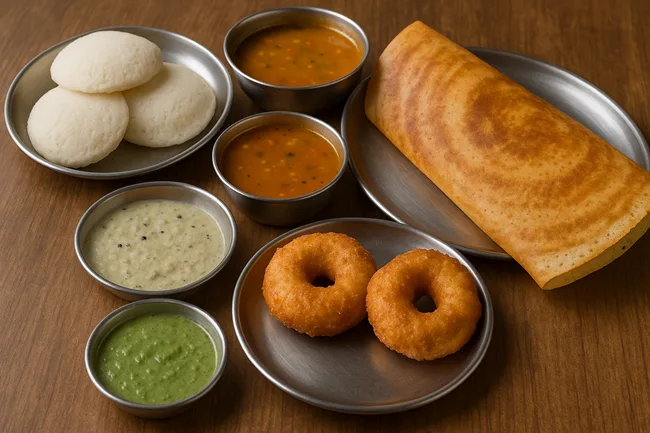
Dishes like Rasam Idli and Button Idli are priced around ₹60, while classic dosa varieties including Steam Dosa, Sponge Dosa, and Mysore Dosa hover at ₹70. For those seeking richer flavors, the Butter Paneer Dosa clocks in at ₹90. Hearty tiffins like Pongal, Bisibele Bath, and Upma maintain the ₹60 range, delivering both value and comfort.
Complementing these staples are snack-time hits such as Rasam Vada, Sambar Vada, and Curd Vada, typically priced at ₹70. For beverage lovers, a cup of Swathi’s famed filter coffee or ginger chai is non-negotiable, with prices ranging from ₹20–₹40 depending on size and outlet.
During lunch hours, the Kacheguda and Hyderguda branches also serve full South Indian thalis, simple vegetable biryani, and rice specials like Tomato Rice, Lemon Rice, and Curd Rice, with prices generally ranging between ₹120–₹170. Milkshake options like Vanilla, Strawberry, and Chocolate Milkshakes round out the menu at ₹50–₹70—a clear nod to evolving preferences without straying too far from the café’s roots.
How has Swathi Coffee Shoppe maintained its popularity in Hyderabad despite evolving vegetarian dining trends in 2025?
In an era of cloud kitchens, app-based delivery, and hyper-specialized fusion cafés, Swathi Coffee Shoppe has stuck to its guns. The lack of over-engineered branding or digital loyalty gimmicks hasn’t hurt it—in fact, it has helped the café stay rooted in familiarity, making it a dependable option for locals across demographics.
The vegetarian-only menu is particularly resonant in 2025. As plant-based eating continues to surge in popularity—not just among vegetarians but also among flexitarians and health-focused eaters—Swathi’s South Indian comfort food hits the sweet spot. Its use of traditional ingredients, oil-conscious preparation, and absence of processed sauces or additives make it quietly aligned with wellness trends, even if it doesn’t brand itself that way.
The format itself—no-frills seating, quick service, and walk-in convenience—supports high table turnover without needing complex digital infrastructure. That simplicity is not just efficient; it’s profitable.
Are there viable vegetarian competitors nearby in Kacheguda and Hyderguda?
Unlike mainstream food courts and malls, the area around both Swathi Coffee Shoppe locations is populated with small-to-mid scale pure veg eateries. However, few match the combination of brand recall, affordability, and local cultural value that Swathi enjoys.
In Kacheguda, Swathi Coffee Shoppe sits comfortably among a handful of vegetarian establishments, though few match its nostalgic pull and consistent crowd. Santosh Dhaba, a popular spot for North Indian thalis and curries, offers a broader, meal-oriented menu at a comparable price point of ₹400–₹500 for two. Hotel Sweekar is another legacy name in the area, known for South Indian breakfast fare and basic meals, though it operates more like a routine utility spot than a destination restaurant.
A few smaller tiffin centers and cafés operate in the surrounding lanes, but Swathi’s loyal footfall remains unmatched for morning tiffin service. The relatively newer Woodside Restaurant has gained traction with diners looking for a clean ambiance and slightly modernized plating, while Panchratan Veg Restaurant appeals to family diners with its expansive menu and reasonably priced combos. Yet, neither establishment directly overlaps with Swathi’s breakfast crowd, which comes in for the quick-service Rasam Idlis, Butter Paneer Dosas, and Bisibele Bath staples.
In Hyderguda, and the extended Himayatnagar–Narayanguda belt, the vegetarian scene is slightly more competitive. Taj Mahal Hotel, a storied institution in Hyderabad’s pure veg circuit, draws strong loyalty for both tiffins and full-course meals. Hotel Akshay is known for affordable South Indian combos and quick lunch options. Meanwhile, Swad of South caters to diners looking for hygienic, slightly upscale vegetarian meals, often featuring curated thali-style offerings. However, even in this denser restaurant ecosystem, Swathi Coffee Shoppe continues to stand out for its streamlined self-service model and pure tiffin orientation—offering nostalgic value at a price that few competitors can consistently match.
Unlike full-service dining establishments or fusion cafés targeting younger audiences, Swathi’s brand is built on serving the familiar—at scale, without frills, and with decades of goodwill behind every plate.
It’s also worth noting that higher-end restaurants in both areas—whether serving North Indian, Chinese, or Continental food—don’t directly compete with Swathi’s breakfast-tiffin niche. Their different use cases (dining vs. drop-in) insulate Swathi’s market.
Why is Swathi Coffee Shoppe a strong case study for small-format vegetarian dining success in Indian cities?
For institutional readers tracking food service models, Swathi Coffee Shoppe offers more than local flavor—it represents a viable format for high-turnover, low-CAPEX, vegetarian-first cafés in mid-tier Indian cities. Its tight menu, fast execution, and hyperlocal relevance offer a replicable base model that could be enhanced with technology—without losing its core charm.
Imagine lightweight digital integration: a QR-based ordering system for regulars, real-time updates on kitchen queues during peak hours, or prepaid meal tokens for office workers. Such innovations could quietly modernize operations while staying invisible to legacy loyalists.
With rising food costs, many cafés risk price inflation at the cost of traffic. Swathi has carefully avoided that trap. Its ability to keep core dishes under ₹100 in 2025 is a strategic differentiator. Any future franchising model or investor-led expansion would need to preserve this pricing discipline to retain brand value.
Why Swathi Coffee Shoppe still matters—and may matter even more tomorrow
Swathi Coffee Shoppe is not merely a café; it’s part of Hyderabad’s daily rhythm. Whether you’re grabbing a Rasam Idli before boarding a local train, or catching a Masala Dosa lunch break between errands, the café delivers more than food—it delivers familiarity.
In the age of algorithms and artificial flavoring, Swathi serves as a reminder that consistency, affordability, and emotional resonance still win. And as vegetarianism enters mainstream global food discourse, small institutions like Swathi Coffee Shoppe—rooted in local relevance—may quietly lead the way forward.
Discover more from Business-News-Today.com
Subscribe to get the latest posts sent to your email.