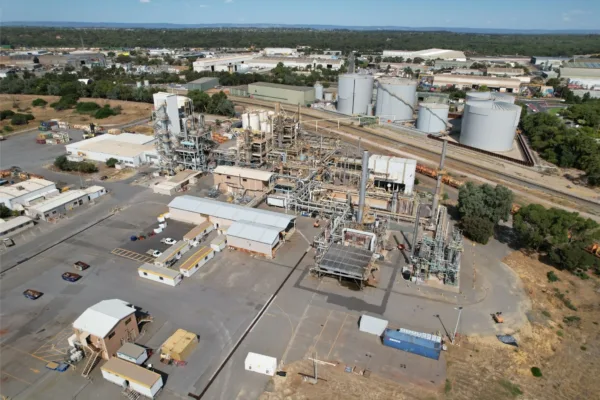




Sika AG has agreed to acquire the adhesives business of Japan-based Resonac Corporation, strengthening its position in automotive bonding technologies and expanding its industrial manufacturing network across Asia. The proposed acquisition will provide the Swiss specialty chemicals group with additional customer relationships, manufacturing capabilities and adhesive technologies serving automotive manufacturers in Japan, China and Taiwan. The transaction is expected to close in mid-2027, creating opportunities for Sika to broaden its product portfolio, improve manufacturing efficiency and pursue growth in battery-related applications.
The acquisition represents another strategic investment in Sika’s global adhesives business as the company seeks to increase its presence in specialised industrial markets. Although financial terms were not disclosed, the transaction could strengthen Sika’s relationships with Japanese automotive manufacturers and support its longer-term expansion across the Asia-Pacific region. The announcement also highlights the increasing strategic importance of advanced adhesives in vehicle manufacturing, where specialised bonding technologies support interior assembly, structural performance and evolving production requirements.
How Sika’s Resonac acquisition strengthens its access to Japanese automotive manufacturers and Asian industrial markets
The planned acquisition will expand Sika’s presence in an important regional automotive supply chain by adding an established adhesives business with longstanding relationships among manufacturers and suppliers. Resonac Corporation’s adhesives operations develop, manufacture and distribute technologies used in industrial applications, with particular strength in automotive interior assembly.
This established market position could provide Sika with opportunities to increase sales to existing automotive customers while introducing additional products across its broader portfolio. Japanese automotive manufacturers maintain extensive international production networks, meaning supplier relationships developed in Asia can potentially support business opportunities in other manufacturing regions.
The acquired operations maintain sales organisations and manufacturing facilities across Japan, China and Taiwan. This geographic presence will complement Sika’s existing industrial footprint and could improve its ability to serve automotive customers requiring consistent products and technical support across multiple production locations.
Automotive adhesives are increasingly important because modern vehicle manufacturing relies on bonding technologies for a wide range of applications. Interior components, electronic assemblies and specialised materials frequently require adhesive systems that meet demanding performance, durability and manufacturing requirements.
The transaction therefore offers Sika more than an opportunity to increase its regional manufacturing capacity. It provides access to established customer relationships, application-specific technical expertise and additional opportunities to expand its presence in higher-value industrial markets.
For Sika, these advantages could support a broader strategy of increasing revenue generated from specialised adhesive technologies rather than relying exclusively on growth in traditional construction chemicals.
Why automotive interior bonding technologies are becoming an important growth opportunity for Sika
One of the principal attractions of Resonac Corporation’s adhesives business is its established position in automotive interior assembly bonding. This segment includes technologies used to join interior materials and components while meeting requirements for durability, manufacturing efficiency and product performance.
Automotive manufacturers continue to seek materials and production methods that support improved vehicle design, manufacturing consistency and cost efficiency. Adhesives can contribute to these objectives by enabling the joining of different materials and supporting assembly processes where conventional mechanical fastening may be less suitable.
The acquired business’s technical capabilities could allow Sika to broaden its offering to automotive suppliers while increasing the number of applications served within individual vehicle programmes. This creates potential cross-selling opportunities because customers purchasing one category of bonding products may also require related sealing, damping or other specialised materials.
Such opportunities are particularly relevant for suppliers seeking to increase the value of products supplied per vehicle. Expanding the range of approved applications can support customer retention and generate additional revenue without requiring an entirely new customer relationship.
However, automotive qualification requirements can create lengthy commercial development cycles. Manufacturers generally require extensive testing and validation before introducing new materials into established production programmes. Consequently, the commercial benefits associated with cross-selling may emerge gradually rather than immediately following completion of the acquisition.
The competitive environment also remains important. Automotive materials suppliers must demonstrate consistent product quality, reliable deliveries and competitive pricing while responding to changing vehicle designs and manufacturing requirements.
Sika’s ability to combine Resonac’s established technical expertise with its own global product development capabilities will therefore be central to determining the acquisition’s longer-term commercial value.
How Sika plans to generate manufacturing efficiencies and cost synergies across Japan, China and Taiwan
The acquisition is expected to create opportunities for manufacturing and operational efficiencies by combining complementary production facilities across the Asia-Pacific region. Resonac Corporation’s adhesives business operates an established manufacturing network that could strengthen Sika’s ability to supply automotive and industrial customers across multiple Asian markets.
An expanded regional production network may help reduce transportation distances, improve production flexibility and support more efficient allocation of manufacturing capacity. These benefits could become particularly valuable for customers operating across several countries and requiring consistent product specifications.
Sika also expects the complementary manufacturing footprint to generate cost synergies. Potential areas of improvement include production planning, procurement, logistics and the utilisation of existing facilities, although the company has not disclosed specific financial targets for these benefits.
Manufacturing integration will nevertheless require careful execution. Combining production operations can involve technical validation, changes to supply arrangements and adjustments to internal systems. Any disruption affecting product availability or customer service could delay the anticipated benefits.
The company will also need to balance efficiency improvements against the importance of maintaining established customer relationships. Automotive manufacturers place considerable emphasis on supply reliability, and changes to approved production processes may require additional testing or qualification.
For investors, the most meaningful indicators of integration success will include improvements in operating margins, manufacturing utilisation and customer retention after the transaction closes.
Without disclosed acquisition costs or quantified synergy expectations, it is not yet possible to determine the transaction’s expected financial return. Additional information about the acquired business’s revenue, profitability and integration expenses would help investors assess the economic significance of the deal.
Why Taiwan’s battery technology market creates another expansion opportunity for Sika’s adhesives portfolio
Beyond conventional automotive manufacturing, the acquisition provides Sika with an established presence in Taiwan that could support expansion into battery-related applications and other specialised industrial markets.
The company has identified battery solutions as an important potential growth opportunity associated with Resonac Corporation’s regional customer relationships. Adhesives and related materials can serve functions involving component assembly, insulation, sealing and the management of mechanical stresses within battery systems.
As battery technologies evolve, manufacturers increasingly require materials capable of meeting demanding performance and reliability standards. This creates opportunities for specialty chemicals suppliers with expertise in bonding, sealing and other engineered material solutions.
Taiwan’s industrial manufacturing ecosystem could provide a platform for Sika to introduce additional technologies to customers already familiar with Resonac’s products. The acquisition may also help the company identify applications where its existing portfolio complements the acquired business’s technical capabilities.
However, the announcement does not quantify expected revenue from battery-related applications or identify specific commercial contracts associated with this opportunity. Investors should therefore distinguish between the strategic potential of entering additional markets and confirmed future sales.
Competition in battery materials is also significant, with manufacturers requiring suppliers to demonstrate technical performance, manufacturing consistency and competitive costs. Commercial success will depend on Sika’s ability to develop suitable products, secure customer approvals and convert prospective applications into recurring business.
The battery opportunity nevertheless broadens the acquisition’s strategic rationale beyond traditional automotive interior adhesives. It gives Sika another avenue for expanding its industrial portfolio while leveraging established manufacturing and customer relationships in Asia.
How the Resonac transaction fits Sika’s broader acquisition strategy and 2028 profitability objectives
The planned acquisition is consistent with Sika’s wider strategy of strengthening its adhesives and sealants portfolio through targeted investments, product development and geographic expansion.
Earlier in 2026, the company announced an agreement to acquire Akkim, a manufacturer of adhesives and sealants with operations serving markets across Eastern Europe, Central Asia, the Middle East and North Africa. That transaction was designed to strengthen Sika’s distribution capabilities and expand its presence in construction-related adhesives.
The Resonac acquisition addresses a different part of the market by focusing primarily on industrial applications and automotive manufacturers in Asia. Together, the transactions illustrate Sika’s interest in building a broader adhesives platform serving multiple industries and geographic regions.
Sika has also been pursuing operational improvements through its Fast Forward programme, which focuses on productivity, innovation, digital transformation and commercial effectiveness. At its October 2026 investor day, the company indicated that the programme remained on track to deliver CHF 80 million in benefits during 2026 and support a profit improvement of CHF 150 million to CHF 200 million through 2028.
These initiatives provide a broader context for the company’s acquisition strategy. Management is seeking to expand market access while improving operational efficiency, suggesting that future earnings growth may depend on both external acquisitions and improvements within existing businesses.
Sika generated annual sales of CHF 11.20 billion in 2025 and employed approximately 33,700 people. Its international operations span 103 countries and more than 400 factories, giving the company an established infrastructure through which acquired technologies and customer relationships could potentially be expanded.
The company’s scale may provide advantages in research, procurement and global customer support. Nevertheless, maintaining profitability while integrating multiple acquisitions will require disciplined capital allocation and careful management of operational complexity.
What Sika’s latest acquisition means for shareholders and institutional investor sentiment
For Sika shareholders, the proposed Resonac acquisition represents a strategic expansion rather than an immediately quantifiable earnings catalyst. The transaction could strengthen the company’s position in automotive adhesives, increase access to Japanese manufacturers and create opportunities in battery-related industrial applications.
The investment case is supported by several potential advantages, including an expanded manufacturing footprint, complementary technologies and established customer relationships. These characteristics could improve Sika’s competitive position and support longer-term revenue diversification.
However, the absence of disclosed financial terms creates uncertainty surrounding valuation and expected returns. Investors cannot yet determine how much Sika will pay for the business, whether the transaction will require additional financing or how quickly the acquisition might contribute to earnings.
The anticipated mid-2027 completion date also means that any meaningful contribution to consolidated financial performance is likely to depend on the timing of closing and subsequent integration progress.
Institutional investors assessing the transaction may focus on the strategic fit with Sika’s existing adhesives operations, the potential for cross-selling and the company’s ability to deliver cost savings without disrupting customer relationships. These are relevant considerations, although the announcement alone does not establish actual institutional buying or selling activity.
The broader automotive sector presents additional uncertainties. Vehicle production volumes, changes in consumer demand, trade restrictions and regional manufacturing conditions can influence demand for specialised adhesives. Sika’s expanded exposure to Asian automotive markets may create growth opportunities while increasing sensitivity to these industry developments.
Sika’s longer-term investment outlook will therefore depend on whether the acquisition generates measurable commercial and operational benefits. Investors will be looking for greater transparency regarding transaction economics, integration costs and the contribution of acquired operations to future earnings.
The acquisition reinforces Sika’s commitment to expanding its specialty chemicals business through targeted industrial investments. Its ultimate financial significance, however, will become clearer only after the transaction closes and management begins reporting measurable results.
Key takeaways: Sika’s Resonac acquisition strengthens Asian automotive adhesives expansion and opens new battery technology opportunities
- Sika AG has agreed to acquire Resonac Corporation’s adhesives business, expanding its industrial and automotive materials portfolio across Asia.
- The acquired operations serve automotive manufacturers and suppliers, with established sales and manufacturing activities in Japan, China and Taiwan.
- Resonac’s expertise in automotive interior assembly bonding will complement Sika’s existing adhesive technologies and broaden its industrial product offering.
- The transaction strengthens Sika’s access to Japanese automotive manufacturers and creates opportunities to expand customer relationships internationally.
- Sika expects manufacturing efficiencies and cost synergies through the integration of complementary production facilities across the Asia-Pacific region.
- The acquired business’s established presence in Taiwan could support expansion into battery-related materials and other specialised industrial applications.
- The acquisition aligns with Sika’s broader strategy of expanding adhesives and sealants through targeted investments and technology development.
- Financial terms and quantified acquisition synergies were not disclosed, limiting investors’ ability to assess the transaction’s immediate earnings impact.
- Completion is expected in mid-2027, with future financial contributions dependent on regulatory processes, integration progress and customer demand.
- Investors will monitor acquisition economics, operating margins, automotive market conditions and Sika’s ability to convert cross-selling opportunities into sustainable growth.
Discover more from Business-News-Today.com
Subscribe to get the latest posts sent to your email.