




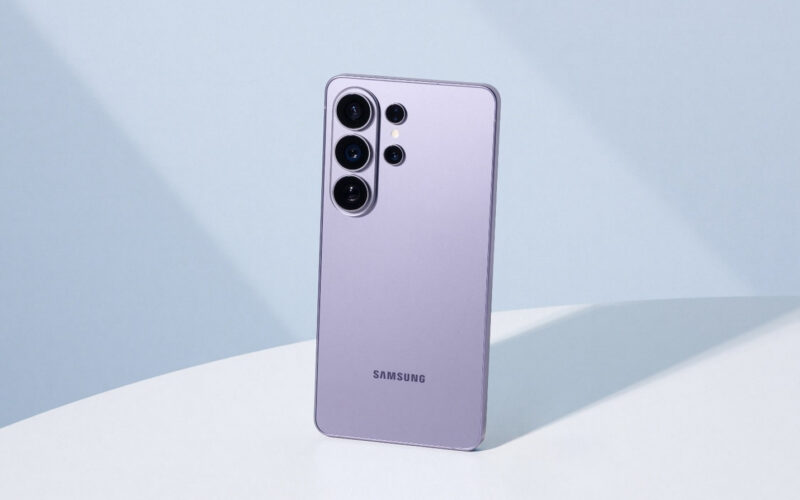
Samsung Electronics Co., Ltd. has announced the global availability of the Galaxy S26 smartphone series, Galaxy Buds4 wireless earbuds, and Galaxy Book6 laptop lineup, marking the company’s latest attempt to tighten integration across its consumer electronics ecosystem. The launch introduces Samsung’s third generation of AI-enabled smartphones while expanding the company’s broader hardware portfolio designed to operate within a unified Galaxy AI environment. Early pre-order data indicates strong initial demand, with the premium Galaxy S26 Ultra accounting for more than 70 percent of orders and total pre-orders reportedly growing at a double-digit pace compared with previous Galaxy S launches. The rollout positions Samsung Electronics Co., Ltd. to reinforce its competitive position against Apple Inc., Chinese smartphone manufacturers, and emerging AI-first device strategies that increasingly blur the boundaries between smartphones, wearables, and personal computing platforms.
Why Samsung’s Galaxy S26 launch signals a deeper push toward AI-native consumer hardware ecosystems
Samsung Electronics Co., Ltd. has increasingly framed its smartphone roadmap around artificial intelligence capabilities rather than traditional hardware upgrades. The Galaxy S26 series continues that strategy by positioning Galaxy AI features as the central differentiator rather than simply another feature layer.
The three-device smartphone lineup includes the Galaxy S26 Ultra, Galaxy S26+, and Galaxy S26. Samsung Electronics Co., Ltd. describes the devices as its third generation of AI phones, reflecting a shift from experimental AI functionality toward embedded intelligence that influences everyday device interactions.
This strategic shift reflects broader changes in the consumer technology market. Smartphones have reached a level of hardware maturity where incremental improvements in camera resolution, processing power, or battery capacity no longer deliver the same upgrade momentum seen during the 2010s. Artificial intelligence now represents one of the few remaining levers capable of driving meaningful differentiation.
For Samsung Electronics Co., Ltd., integrating AI across multiple device categories also strengthens its ecosystem positioning. If AI services operate seamlessly across smartphones, earbuds, and laptops, the company can create switching costs similar to the ecosystem lock-in that Apple Inc. has successfully built through the iPhone, AirPods, and Mac product families.
The Galaxy S26 launch therefore represents more than a device refresh cycle. It signals Samsung Electronics Co., Ltd.’s broader attempt to compete in what is increasingly becoming an AI platform battle within consumer hardware.
What early Galaxy S26 pre-order demand reveals about premium smartphone upgrade cycles
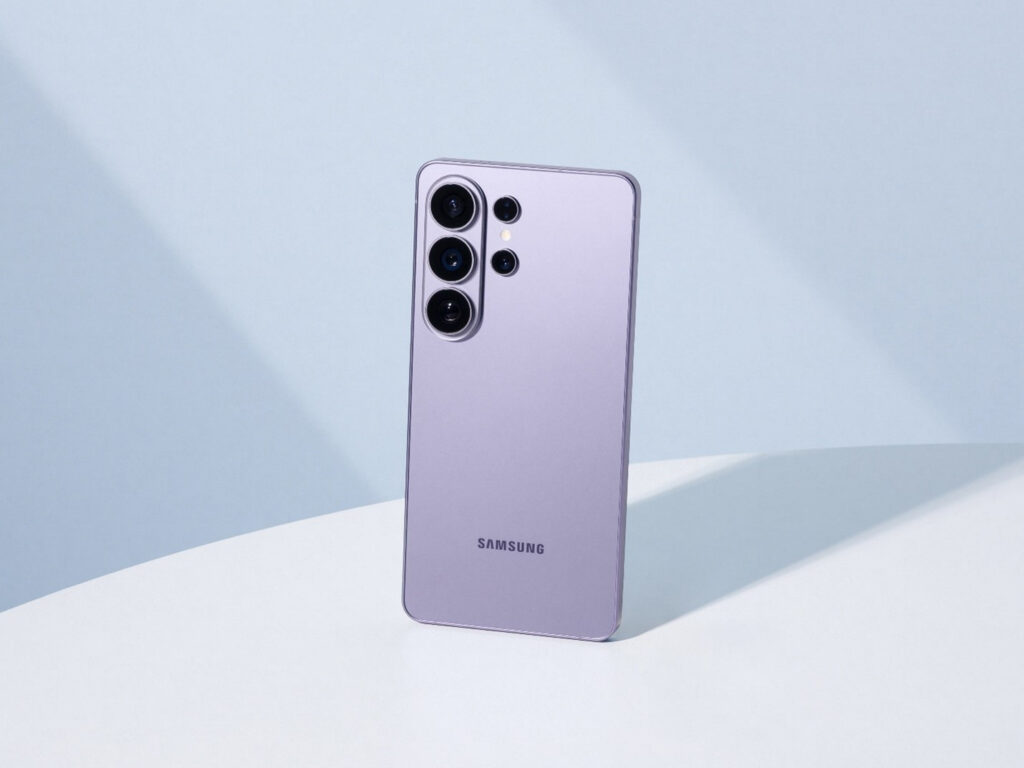
The company reported that pre-orders for the Galaxy S26 series increased at a double-digit rate compared with the previous generation, suggesting that premium smartphone demand remains resilient despite broader economic uncertainty in several major markets. Even more notable is the dominance of the Galaxy S26 Ultra in early orders. Samsung Electronics Co., Ltd. said more than 70 percent of customers chose the highest-end model during the pre-order window.
That preference aligns with a long-running trend in the smartphone industry. As upgrade cycles lengthen and consumers replace devices less frequently, buyers increasingly opt for higher-end models that they expect to keep for several years.
For Samsung Electronics Co., Ltd., this shift has important financial implications. Premium devices carry higher margins and support the company’s profitability within its mobile division. A larger mix of Ultra models could therefore improve average selling prices across the Galaxy S26 lineup.
The early demand signal also suggests that AI capabilities may be resonating with consumers. Samsung Electronics Co., Ltd. has placed significant marketing emphasis on Galaxy AI features that provide proactive suggestions, contextual reminders, and automated task assistance. If these capabilities translate into sustained sales momentum, they could help justify the company’s ongoing investment in on-device AI processing and software development.
How Samsung’s Galaxy S26 Ultra reflects the company’s strategy to differentiate through hardware innovation
The flagship Galaxy S26 Ultra combines Samsung Electronics Co., Ltd.’s most advanced hardware capabilities into a single device. The smartphone includes the Snapdragon 8 Elite Gen 5 Mobile Platform for Galaxy, a customized processor designed to deliver improvements across CPU, GPU, and neural processing performance. Those gains are particularly important for AI workloads. As generative AI and context-aware assistants become more common on smartphones, the ability to run machine learning models locally will increasingly determine device responsiveness and privacy protection.
Another headline feature of the Galaxy S26 Ultra is a built-in Privacy Display that operates at the pixel level. Samsung Electronics Co., Ltd. describes the technology as a new approach to screen privacy that integrates both hardware and software mechanisms.
The innovation addresses a common concern among smartphone users who access sensitive information in public spaces. By improving privacy protection without compromising screen visibility for the primary user, Samsung Electronics Co., Ltd. is attempting to solve a practical usability problem while also creating a unique hardware differentiator.
The device also continues Samsung Electronics Co., Ltd.’s emphasis on camera innovation. Nightography video capabilities aim to improve low-light recording, while enhanced stabilization features seek to deliver smoother video capture during movement. Editing tools have also evolved alongside the capture hardware. AI-powered features such as Photo Assist allow users to modify images using natural language prompts, while Creative Studio offers automated design tools for generating visual content. Taken together, these features reflect a broader design philosophy. Rather than treating cameras, AI software, and editing tools as separate capabilities, Samsung Electronics Co., Ltd. is integrating them into a unified workflow that covers the entire content creation process.
Why the Galaxy Buds4 launch strengthens Samsung’s cross-device AI experience strategy
Alongside the smartphone launch, Samsung Electronics Co., Ltd. introduced the Galaxy Buds4 series, consisting of the Galaxy Buds4 and Galaxy Buds4 Pro.
The earbuds emphasize both audio performance and ergonomic design improvements. Samsung Electronics Co., Ltd. said the physical shape of the Buds4 series was refined using extensive ear geometry analysis and simulation data, enabling a more comfortable fit for extended listening sessions. The Buds4 Pro also includes hardware upgrades such as a wider woofer and enhanced adaptive equalization, along with active noise cancellation capabilities designed to deliver richer sound reproduction.
However, the more significant strategic element lies in software integration. The earbuds are designed to operate as an extension of the Galaxy AI ecosystem, supporting hands-free controls and AI-driven interactions. This approach mirrors the broader shift occurring across consumer electronics. Wearable devices are no longer treated purely as accessories. Instead, they act as distributed computing nodes that extend AI assistants beyond the smartphone screen.
If Samsung Electronics Co., Ltd. can deliver seamless AI experiences across phones and earbuds, the company could strengthen the appeal of its ecosystem compared with standalone devices from competitors.
How the Galaxy Book6 series fits into Samsung’s wider AI device ecosystem ambitions
The third pillar of Samsung Electronics Co., Ltd.’s product launch is the Galaxy Book6 series of laptops, which includes the Galaxy Book6, Galaxy Book6 Pro, and Galaxy Book6 Ultra. These devices are powered by Intel Core Ultra Series 3 processors, which incorporate CPU, GPU, and neural processing units designed to accelerate AI workloads. The architecture enables faster local processing for tasks such as image generation, language models, and intelligent productivity features.
By incorporating AI-optimized processors into its laptops, Samsung Electronics Co., Ltd. is aligning its PC strategy with the same AI-centric vision guiding its smartphones and wearables. The Galaxy Book6 devices are also designed to integrate with other Galaxy products. Cross-device continuity features enable users to move tasks between smartphones and laptops, while shared AI services can operate across both environments.
This integration reflects a growing competitive reality. Consumers increasingly expect their devices to function as part of a unified digital workspace rather than isolated tools. For Samsung Electronics Co., Ltd., building that unified ecosystem represents both an opportunity and a challenge. The company must deliver software experiences that rival the cross-device continuity offered by Apple Inc. while also differentiating itself from the Windows ecosystem built around Microsoft Corporation and its hardware partners.
What the Galaxy S26 ecosystem launch suggests about the future of AI-powered consumer devices
The simultaneous release of the Galaxy S26 smartphones, Galaxy Buds4 earbuds, and Galaxy Book6 laptops illustrates Samsung Electronics Co., Ltd.’s broader strategic direction. Artificial intelligence is rapidly becoming the central organizing principle for consumer technology platforms. Devices are no longer evaluated purely on hardware specifications but on how effectively they integrate AI capabilities into everyday workflows.
Samsung Electronics Co., Ltd. appears determined to compete aggressively in that emerging landscape. By embedding AI features across its entire hardware portfolio, the company aims to create an ecosystem where devices collaborate to deliver intelligent assistance. Success will depend on several factors. The company must ensure that AI features provide tangible value rather than superficial novelty. It must also maintain strong hardware innovation while investing heavily in software development.
Competition will remain intense. Apple Inc. continues to expand its own AI strategy, while Chinese smartphone manufacturers are rapidly integrating AI capabilities into flagship devices. Meanwhile, advances in generative AI are accelerating the pace of innovation across the industry. In this environment, Samsung Electronics Co., Ltd.’s ability to execute a coherent ecosystem strategy could determine whether the Galaxy platform remains one of the dominant forces in global consumer electronics.
What are the key strategic implications of Samsung’s Galaxy S26 ecosystem launch for the broader consumer technology industry?
- Samsung Electronics Co., Ltd. is positioning artificial intelligence as the central differentiator for its smartphone platform rather than relying on incremental hardware improvements.
- Strong early demand for the Galaxy S26 Ultra suggests premium smartphone models continue to dominate consumer upgrade decisions.
- The launch highlights Samsung Electronics Co., Ltd.’s effort to create a tightly integrated AI device ecosystem spanning smartphones, earbuds, and laptops.
- Hardware innovations such as the Privacy Display indicate the company is still investing heavily in physical device differentiation.
- The integration of AI editing tools and content creation workflows reflects growing demand for creator-focused smartphone capabilities.
- Galaxy Buds4 earbuds extend Samsung Electronics Co., Ltd.’s AI ecosystem strategy into wearable devices, strengthening cross-device functionality.
- The Galaxy Book6 laptop series aligns Samsung Electronics Co., Ltd.’s PC strategy with the emerging trend of AI-accelerated personal computing.
- Premium device adoption could improve Samsung Electronics Co., Ltd.’s mobile division profitability through higher average selling prices.
- Competitive pressure from Apple Inc., Chinese smartphone vendors, and AI-focused technology platforms will intensify as ecosystem strategies converge.
- The long-term success of the Galaxy AI ecosystem will depend on whether Samsung Electronics Co., Ltd. can deliver meaningful everyday AI functionality rather than novelty features.
Discover more from Business-News-Today.com
Subscribe to get the latest posts sent to your email.
