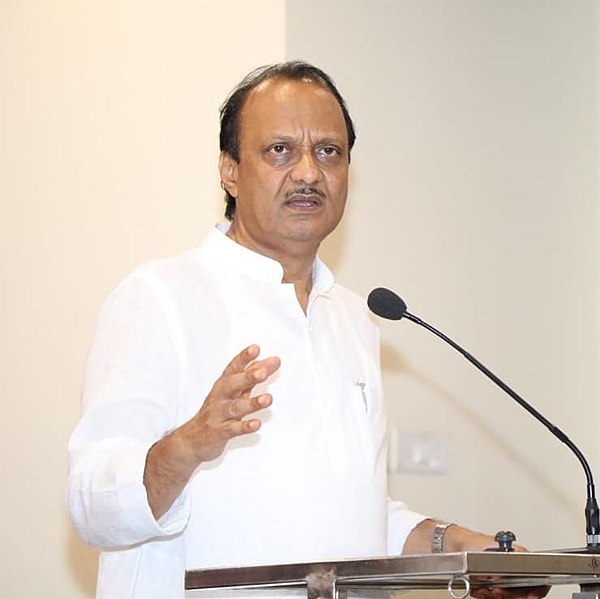

United States Secretary of State Marco Rubio has said Washington wants India’s Reliance Industries to increase its processing of Venezuelan crude oil and potentially participate in petroleum production in the South American country. Speaking to reporters in Mumbai on October 20, 2026, Rubio outlined the proposal during a visit focused on energy cooperation, bilateral trade and the geopolitical consequences of Russian oil imports. The initiative could create a new commercial connection between American policy toward Venezuela and India’s large refining industry, but Reliance has not announced a new commitment to produce oil in Venezuela.
Reliance, chaired by Mukesh Ambani, operates the major refining complex at Jamnagar in Gujarat and already has experience processing Venezuelan crude. Its facilities can handle heavy and complex feedstocks, making the company’s refining capabilities relevant to discussions about Venezuelan petroleum exports. Rubio’s comments therefore concern an identifiable commercial possibility rather than a hypothetical proposal involving an unspecified Indian company.
The diplomatic effort comes shortly after President Donald Trump waived potential sanctions targeting major buyers of Russian oil, including India. The policy shift may help negotiations over a wider US-India trade agreement, although the proposed expansion of Venezuelan oil activity remains distinct from any completed trade settlement or binding investment contract.
Why does Marco Rubio want Reliance to process more Venezuelan crude?
Venezuela possesses substantial petroleum resources, including large volumes of heavy crude that require suitable refining infrastructure. Reliance’s Jamnagar operations have the technical capacity to process such material, making the company a potential buyer if commercial and regulatory arrangements permit expanded shipments.
Rubio said he planned to encourage Reliance to refine additional Venezuelan oil and consider participating in production inside Venezuela. The proposal would connect India’s refining capabilities with efforts to increase the availability and commercial development of Venezuelan petroleum.
However, increasing crude purchases and becoming an upstream oil producer involve different commitments. Refining imported crude requires commercial supply arrangements, whereas producing oil in another country may involve exploration or development rights, capital expenditure and longer-term operational risks.
Rubio’s remarks establish American diplomatic interest in both possibilities. They do not demonstrate that Reliance has signed a production agreement or committed a specific amount of investment.
What makes Reliance’s Jamnagar complex suitable for Venezuelan oil?
Jamnagar is one of the world’s largest integrated petroleum refining centres and can process a broad range of crude grades. Its technical configuration makes it particularly relevant to producers of heavier petroleum that may require more complex upgrading and refining processes.
Venezuelan crude can present processing challenges because of its density and other characteristics. Refineries designed to handle such feedstocks may therefore have an advantage over facilities optimised for lighter grades.
Reliance’s experience with international crude sourcing could support an increase in Venezuelan purchases if prices, shipping conditions and regulatory permissions make the trade attractive. Nevertheless, the economic benefit would depend on the delivered cost of crude, the value of refined products and refinery operating conditions.
The company’s existing capability should not be confused with a new announcement about capacity expansion. Rubio’s proposal concerns using established capabilities and potentially entering additional activities rather than a confirmed new refinery project.
How does Venezuela fit into Washington’s changing Russian oil policy?
The Trump administration has faced conflicting pressures over Russian oil. Washington has sought to constrain Moscow’s revenues during the war in Ukraine while also attempting to stabilise global fuel supplies during the confrontation involving Iran.
The administration recently waived potential sanctions on major purchasers of Russian petroleum, including India. The decision may reduce one source of friction in bilateral trade talks, but American lawmakers have criticised the administration for easing pressure on Moscow.
Greater availability of Venezuelan crude could provide additional supply options for refiners that purchase oil from multiple countries. However, Rubio did not establish that Venezuelan oil would immediately replace a defined volume of Russian crude entering India.
Energy sourcing decisions depend on price, quality, availability, shipping costs and government restrictions. Any claim that India has agreed to eliminate Russian purchases in exchange for Venezuelan oil would require a separate formal announcement.
Could Reliance begin producing crude oil in Venezuela?
Rubio expressed interest in the possibility of Reliance participating directly in Venezuelan production. Such involvement would represent a substantially different business activity from purchasing crude for refining.
Oil production can require agreements concerning operating rights, investment obligations and the division of revenues. Companies must also consider political, financial and operational risks before committing capital.
The available reporting does not identify a signed Reliance production licence, a final investment decision or a committed project value. It would therefore be inaccurate to describe the proposal as a completed Reliance acquisition or development programme.
The next development to watch is whether Reliance confirms formal negotiations or announces commercial terms. Until that happens, the production opportunity remains a proposal presented by a senior American official.
What did Rubio say about the timing of the India-US trade agreement?
Rubio expressed confidence that the broader India-US trade negotiations could conclude within weeks. His comments followed progress reported by Indian officials concerning the first phase of the agreement.
The energy discussions may provide a way to improve commercial relations while the two governments address tariff issues and differences over Russian petroleum. However, the timing of a diplomatic visit is not proof that all legal conditions for implementing a trade agreement have been satisfied.
Rubio’s itinerary also includes engagement with Indian officials and major business figures, including External Affairs Minister S. Jaishankar and Mukesh Ambani. Such meetings can clarify commercial possibilities but do not automatically create binding commitments.
The central issue is whether diplomatic discussions produce enforceable trade provisions or specific commercial transactions. Those outcomes will require announcements beyond the expression of interest reported on October 20.
What are the key takeaways from Rubio’s Venezuela oil proposal?
- Marco Rubio said on October 20 that the United States wants Reliance Industries to refine more Venezuelan crude.
- Rubio also proposed the possibility of Reliance participating in oil production within Venezuela.
- Reliance’s Jamnagar refining operations already have experience handling heavy Venezuelan petroleum.
- No new Reliance production contract, investment amount or completed transaction was announced.
- The discussions follow Washington’s decision to waive potential sanctions affecting major buyers of Russian oil.
- Rubio said US-India trade negotiations could conclude within weeks, but the final agreement remains separate from the Venezuelan proposal.
- Future developments will depend on commercial negotiations, regulatory arrangements and any formal decisions by Reliance.
What could determine whether the Venezuelan oil proposal becomes commercially viable?
The most important considerations are the commercial terms for crude supply, the regulatory conditions governing Venezuelan oil and the investment requirements of any upstream production project. Reliance would also need to assess whether the expected returns justify committing additional capital.
The proposal demonstrates Washington’s interest in reshaping energy relationships while negotiating with India. Its commercial significance will become clearer only if the company and the relevant authorities announce specific agreements.
Discover more from Business-News-Today.com
Subscribe to get the latest posts sent to your email.