




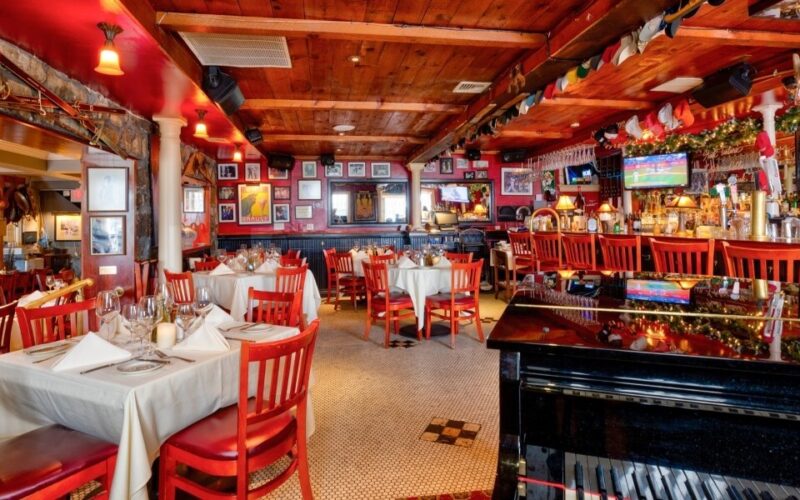
Polpo Restaurant & Saloon, the Greenwich, Connecticut-based independent fine dining brand, said it is returning to Palm Beach with a new location now being finalized, reviving a Florida market it previously served before losing its earlier site when the building was sold and the lease ended. The announcement matters because it is not a first-time market entry dressed up as expansion, but a re-entry bet built on brand memory, customer loyalty, and confidence that Palm Beach can again support Polpo’s premium Italian-led hospitality model. It also arrives at a moment when South Florida’s upper-end restaurant market remains crowded, experience-driven, and closely tied to luxury travel, affluent residents, and business socializing. In plain English, Polpo is not merely opening another restaurant. It is testing whether an independent, owner-led concept can convert past goodwill into renewed commercial momentum in one of Florida’s most image-sensitive dining markets.
Why is Polpo Restaurant & Saloon returning to Palm Beach a strategic expansion move now?
The company’s own framing suggests that this is a comeback based less on speculative growth and more on unfinished business. According to the press release, the prior Palm Beach location had performed well and its closure was tied to property circumstances rather than operating weakness. That distinction matters. In hospitality, an exit caused by demand failure tells one story; an exit caused by lease loss tells another. Polpo is clearly trying to position its return as a restoration of market presence rather than a risky new-market launch.
That nuance gives the expansion more strategic credibility than a generic “coming soon” announcement would normally deserve. Palm Beach is not short on premium dining options. Public guides and booking platforms show a deep bench of fine dining restaurants across Palm Beach and neighboring West Palm Beach, meaning Polpo is re-entering a market where affluent diners already have choices and expectations are high. That raises the bar, but it also confirms why the market remains attractive. Restaurants do not chase Palm Beach because it is easy. They chase it because the customer base can sustain premium checks, repeat occasions, and status-driven dining behavior.
What does Polpo Restaurant & Saloon’s Palm Beach comeback say about luxury dining demand in Florida?
The bigger read-through is that affluent Florida dining corridors are still drawing brands that believe service, atmosphere, and repeat relationship economics can justify expansion. Palm Beach and adjacent markets continue to see new openings and repositioning activity in 2026, including other incoming concepts and hotel-linked food-and-beverage investments. That creates a competitive backdrop, but it also reinforces that operators still view the region as commercially worth fighting for.
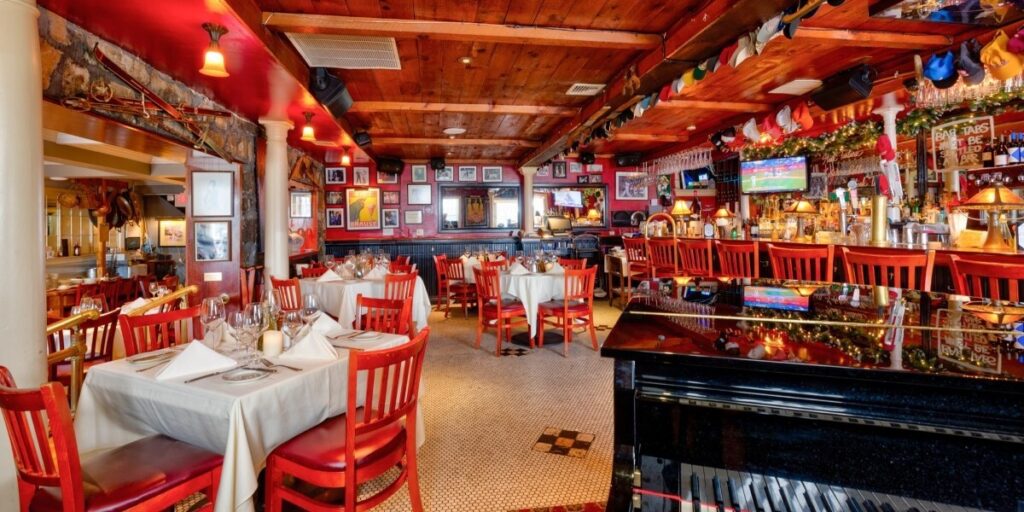
Polpo’s model may be particularly suited to that environment if it can reproduce what made its Connecticut flagship durable. Its official website emphasizes upscale Italian fare, hospitality, private dining, and a reputation that appears tied as much to atmosphere and relationship management as to menu execution. The press release leans even harder into that identity, presenting Polpo as a place for business meals, private gatherings, and executive networking. That is not just marketing fluff. In wealthy enclaves, restaurants that become trusted social infrastructure often enjoy more resilient demand than those competing only on novelty. A dining room that functions as a semi-private extension of business and community life can be harder to displace than the latest trend-led opening.
How important is owner-led hospitality to Polpo Restaurant & Saloon’s ability to scale across markets?
One of the most interesting aspects of the announcement is the emphasis on Ron Rosa and Dominique Rosa’s hands-on involvement. In restaurant expansion, that can be both the differentiator and the constraint. Owner-led service culture often creates the consistency and emotional loyalty that independent brands need to compete with hotel-backed or investor-backed rivals. Customers remember the welcome, not just the wine list. They also notice when a place feels curated rather than standardized.
The catch is scalability. A hospitality brand built around personal touch works beautifully until geography stretches the operating model too far. That is why Polpo’s Palm Beach return is worth watching. If the brand can recreate its relationship-driven identity without diluting standards, it strengthens the case that certain independent restaurant groups can expand on reputation rather than volume economics alone. If execution slips, the same owner-led promise can become a vulnerability because expectations rise faster than systems do. The press release makes clear that Polpo sees its brand equity as portable. The market will decide whether that equity is truly transferable to a new address.
Can Polpo Restaurant & Saloon stand out in a Palm Beach market already filled with premium dining options?
It can, but only if it avoids trying to out-luxury everyone else. Palm Beach already has established high-end restaurants, hotel dining rooms, and destination venues competing for the same affluent diners, residents, visitors, and deal-making crowd. Winning in that context usually requires a sharper proposition than “fine dining.” The real question is whether Polpo can own a specific lane: polished Italian hospitality with business-friendly discretion, repeat-customer familiarity, and enough character to feel independent rather than interchangeable.
That may be more defensible than chasing spectacle. Palm Beach supports glamour, yes, but it also rewards reliability among patrons who want a known room for lunch meetings, private dinners, and social rituals. The company’s own language around private dining, professional gatherings, and long-standing guest loyalty suggests it understands that dynamic. In that sense, Polpo is not trying to be the loudest reopening in Florida. It is trying to be the familiar one with enough prestige to matter. That can be a very good business if the location, staffing, and opening cadence are right.
What execution risks could shape Polpo Restaurant & Saloon’s new Palm Beach location rollout?
The obvious one is that the company has not yet disclosed the exact address. That means investors in the idea, customers, and industry observers still lack the most practical clue about likely traffic patterns, positioning, and neighborhood fit. In restaurants, location is not a footnote. It is often the business model wearing a street number.
There is also the broader issue of timing. Re-entry stories benefit from nostalgia, but nostalgia has a shelf life. A returning brand cannot rely forever on guests saying they missed it. Eventually the operation has to win on present-tense performance. Staffing, lease economics, kitchen consistency, reservation flow, and local buzz will matter more than the comeback narrative. Palm Beach diners may forgive a delayed return. They are less likely to forgive a soft relaunch that feels below memory.
Still, Polpo does appear to have one useful advantage: this is not a brand trying to introduce itself from scratch. It has a flagship in Greenwich, continuing brand visibility online, and evidence of prior South Florida presence from earlier hospitality coverage tied to Eau Palm Beach Resort. That does not guarantee success, but it does make the relaunch more credible than a blank-sheet concept arriving with only ambition and a mood board.
What could happen next if Polpo Restaurant & Saloon’s Palm Beach return succeeds or falls short?
If the reopening lands well, Polpo could strengthen its case as a multi-market independent hospitality brand with enough identity to expand selectively without becoming generic. Success would validate the idea that certain restaurant names can survive a lease disruption, preserve demand memory, and re-enter premium markets with momentum intact. It would also show that affluent coastal dining remains receptive to owner-led brands that emphasize intimacy and continuity rather than chain-style rollout logic.
If it falls short, the lesson will be harsher. It would suggest that brand affection and prior success are not enough to overcome the realities of a competitive Florida dining market where location, execution, and relevance must all line up at once. Hospitality has a brutal habit of exposing whether a comeback story is truly commercial or merely sentimental. For now, Polpo has earned something valuable: attention with a plausible strategic case behind it. The harder part starts when the doors open.
What are the key takeaways from Polpo Restaurant & Saloon’s Palm Beach return for Florida hospitality?
- Polpo Restaurant & Saloon is making a re-entry move, not a cold-market expansion, which gives the reopening more strategic credibility.
- The company is betting that prior customer loyalty in Palm Beach still has commercial value in 2026.
- Palm Beach remains attractive because affluent dining demand continues to support new and returning premium concepts.
- Polpo’s biggest differentiator appears to be owner-led hospitality and business-friendly dining culture rather than novelty alone.
- The lack of a disclosed address means the market still cannot fully assess traffic potential or neighborhood fit.
- Independent restaurant brands can scale on reputation, but only if service consistency survives expansion.
- Competition in Palm Beach is strong, so Polpo will need a distinct positioning beyond generic fine dining language.
- The comeback narrative may drive early interest, but long-term performance will depend on execution, staffing, and repeat customer conversion.
- A successful relaunch could strengthen the case for selective multi-market growth by independent luxury dining operators.
- A weak relaunch would underline the usual restaurant truth: brand memory helps, but the current dining room still has to earn the business.
Discover more from Business-News-Today.com
Subscribe to get the latest posts sent to your email.