


NHPC Limited (NSE: NHPC, BSE: 533098), the Indian state-controlled hydropower developer, has declared commercial operation of the fifth 250 MW generating unit at its Subansiri Lower Hydroelectric Project on the Arunachal Pradesh-Assam border, increasing the project’s commercially operational capacity to 1,250 MW. The unit entered commercial operation at midnight on October 23, 2026, following the company’s October 21 exchange disclosure, meaning five of the eight planned 250 MW generating units have now reached the commercial operation stage. The development represents an important milestone for the 2,000 MW hydropower project, which is intended to provide renewable electricity, peak-demand support and wider grid flexibility. However, the project has experienced substantial historical delays and cost increases, with a parliamentary review identifying an anticipated completion cost approaching ₹28,000 crore compared with its original ₹6,285 crore approval, leaving full commissioning, tariff recovery and capital efficiency central to the financial assessment.
What does commercial operation of Subansiri Lower’s fifth unit mean for NHPC’s generating capacity?
The Subansiri Lower Hydroelectric Project is designed around eight generating units rated at 250 MW each, providing total planned capacity of 2,000 MW. Declaring commercial operation of the fifth unit raises the capacity formally commissioned under the project to 1,250 MW. This represents 62.5% of the planned installed capacity, leaving three generating units with a combined capacity of 750 MW awaiting commercial operation.
NHPC’s October announcement confirms that Units 1 through 5 have received their respective commercial operation declarations. The company stated that commercial operation dates for the remaining units will be communicated separately. Consequently, the latest announcement should not be interpreted as completion of the entire hydropower development.
The commercial operation date is important because it establishes a formal milestone beyond grid synchronisation or equipment testing. A generating unit can be connected to the electricity network for testing before satisfying all the conditions required for commercial operation. The October 23 declaration confirms that the fifth unit has reached the later stage.
The fifth unit was synchronised with the national electricity grid on October 12, allowing further commissioning activities before its commercial operation declaration. The approximately 11-day period between those milestones illustrates the progression from grid connection to formal operating status.
Each completed unit adds capacity capable of contributing to the electricity system, subject to water availability and operational conditions. However, installed capacity is not equivalent to continuous electricity generation at the rated level.
The financial contribution will depend on actual energy output and the applicable tariff arrangements. Commissioning creates the opportunity for operating revenue, but the amount attributable to the new unit cannot be calculated solely from its 250 MW rating.
Why is the 2,000 MW Subansiri Lower project important for India’s hydropower and electricity grid?
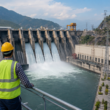
Subansiri Lower is located on the Subansiri River along the border between Arunachal Pradesh and Assam. The project includes a large dam, water conveyance tunnels, pressure shafts and a powerhouse containing eight generating units. Its development is intended to provide substantial renewable electricity to the wider Indian power system.
The Ministry of Power has identified the project’s annual design energy at approximately 7,422 million units under the specified dependable-year assumptions. This represents the expected annual energy associated with the completed generating facility rather than output already being achieved from the five operational units. Actual generation will depend on hydrological conditions and the final availability of all equipment.
Hydropower can provide electricity at times when generation from solar and wind resources is insufficient to meet demand. Depending on operating arrangements and water availability, the ability to adjust hydroelectric generation can help manage peaks in electricity consumption and variations in other generation sources.
The Subansiri development also has a flood moderation role identified by the government, alongside electricity generation. Its benefits and obligations therefore extend beyond the sale of electricity. Reservoir operations must account for relevant safety, environmental and downstream water management requirements.
The project is situated in a sensitive river basin, making dam safety and downstream impacts important operating considerations. These requirements are part of the infrastructure’s long-term responsibilities and should not be separated from its commercial performance.
The completion of the fifth unit represents progress toward the full project design, although the remaining generating units must still reach commercial operation before the planned 2,000 MW capacity is available.
How has the Subansiri Lower project’s anticipated cost increased since its original approval?
One of the most consequential aspects of Subansiri Lower is the substantial escalation in anticipated capital expenditure over its development history. The project originally received government approval in 2003 at an estimated cost of ₹6,285.33 crore. A parliamentary review in 2026 identified an anticipated completion cost of approximately ₹27,948.52 crore.
The difference is approximately ₹21,663 crore, representing a cost increase of about 344.7% relative to the original approved estimate. The figures reflect different cost assumptions and development stages over more than two decades, so the increase should not be interpreted simply as an immediate loss recorded in a single financial period.
The project experienced lengthy construction interruptions and delays, including periods associated with local opposition, legal proceedings and concerns involving dam safety and downstream environmental impacts. Extended project schedules can increase financing costs, construction overheads and expenditure associated with maintaining partially completed infrastructure.
The substantial increase in cost affects the financial assessment because the project must generate adequate returns on a much larger investment base than originally envisaged. Hydropower assets can operate for many decades, but their long useful lives do not automatically compensate for every cost escalation.
The tariff and regulatory treatment of eligible project expenditure will therefore be important to NHPC’s ability to recover costs. The amount ultimately reflected in tariffs may depend on applicable regulatory determinations and the treatment of specific costs.
Commissioning additional units improves the opportunity to generate operating revenue, but it does not independently establish that the project will recover the full anticipated investment at the originally expected return.
For investors, the relevant commercial question is whether the final generating asset can produce sufficient cash flow over its operating life to justify the completed capital expenditure.
What development and operational challenges remain for the final 750 MW of Subansiri capacity?
The remaining three generating units represent 750 MW of planned additional capacity. Their commissioning would bring the project to its full 2,000 MW installed rating. However, NHPC has not declared their commercial operation dates in the October 21 disclosure.
The outstanding programme will require completion of applicable testing, integration and operating requirements for each unit. Progress on civil construction and major equipment does not automatically mean all generating units can enter commercial operation simultaneously. Individual systems must satisfy the necessary technical and operational standards.
The project has previously experienced changes to anticipated completion schedules, making the latest milestones important evidence of actual progress. Investors should therefore distinguish earlier management targets from completed commercial operation declarations.
Hydrological conditions also influence how commissioned capacity can be used. A hydropower station’s electricity output depends on water inflows, reservoir management and the operating requirements of its generating units. The final design energy estimate cannot be treated as guaranteed electricity sales during every year.
Additional operational complexity may arise from the need to coordinate generation with downstream water management and safety obligations. These requirements can influence dispatch decisions independently of electricity market demand.
For NHPC, completion of the final units would reduce the amount of unfinished generating infrastructure at the project. It could also support higher future energy output, subject to the available water resource and operating conditions.
The strongest confirmation of project completion will be formal commercial operation declarations for Units 6, 7 and 8, accompanied by updated information about final capital expenditure and expected operating performance.
How will Subansiri’s growing operational capacity affect NHPC’s revenue and financial position?
As additional units enter commercial operation, NHPC gains the ability to recognise revenue from electricity generated and supplied under the relevant commercial arrangements. However, the amount of revenue depends on the approved tariff structure, operating availability and energy delivered. The company’s October announcement does not establish a specific annual earnings contribution from Unit 5.
The project has required substantial investment over a long development period, and its financial profile must be considered alongside debt, interest during construction and capitalisation arrangements. The transition from construction to commercial operation can also change the timing and treatment of certain project costs in the financial statements.
Tariff regulation will play an important role in determining the recoverability of eligible expenditure. A higher final project cost does not automatically translate into equivalent increases in tariffs, because regulatory treatment and cost prudence considerations may affect the amount recoverable.
The project’s long operating life creates potential for sustained electricity generation after completion. However, the financial outcome also depends on maintenance expenditure, equipment performance and hydrological variability across future operating years.
NHPC’s wider portfolio includes operating hydropower stations and projects under construction in several regions. Its financial position therefore reflects multiple assets rather than the Subansiri development alone, although the project’s scale makes its completion commercially important.
The company’s next scheduled financial results will provide additional context for capital expenditure and overall operating performance. Project-specific disclosures will still be required to isolate Subansiri’s financial contribution accurately.
Why did NHPC shares fall despite commissioning the fifth Subansiri generating unit?
NHPC shares closed at ₹69.84 on October 23, declining 3.51% during the session. The stock had closed at ₹72.38 on October 22 and ₹72.65 on October 21, when the company disclosed the fifth unit’s impending commercial operation. The market therefore recorded a negative closing-price movement despite the confirmed commissioning milestone.
The decline cannot be attributed directly to the project announcement without accounting for broader market conditions and investor expectations. Nevertheless, the absence of a sustained positive response illustrates that additional operating capacity does not necessarily lead to immediate share-price gains.
The project’s substantially revised cost may influence how investors evaluate its financial contribution. Bringing generating units into service strengthens the operating asset base, but future profitability depends on the relationship between recognised revenue, recoverable expenditure and ongoing operating costs.
The next important operational milestones are commercial operation of the remaining three units and updated disclosure of the project’s final capital cost. Once the complete station is operating, actual annual generation and approved tariff recovery will provide a stronger foundation for assessing its financial returns.
Subansiri Lower has reached a significant stage with 1,250 MW of capacity now commercially operational. The remaining investment case depends on completing the final 750 MW and demonstrating that the finished asset can generate sufficient electricity revenue over its operating life to support the project’s substantially expanded capital requirements.
Key takeaways on NHPC’s fifth Subansiri Lower hydropower unit commissioning
- NHPC declared commercial operation of the fifth Subansiri Lower unit effective October 23, 2026.
- Each generating unit has a capacity of 250 MW.
- Five units have now reached commercial operation.
- The project’s commissioned capacity has increased to 1,250 MW.
- Total planned installed capacity is 2,000 MW.
- Three units with combined capacity of 750 MW remain to be commissioned.
- Annual design energy for the completed project is approximately 7,422 million units.
- A parliamentary review identified anticipated project costs approaching ₹27,949 crore, compared with the original ₹6,285 crore approval.
- NHPC shares closed at ₹69.84 on October 23, declining 3.51%.
- Final commissioning, actual generation and tariff recovery remain the key measures of commercial success.
Discover more from Business-News-Today.com
Subscribe to get the latest posts sent to your email.