
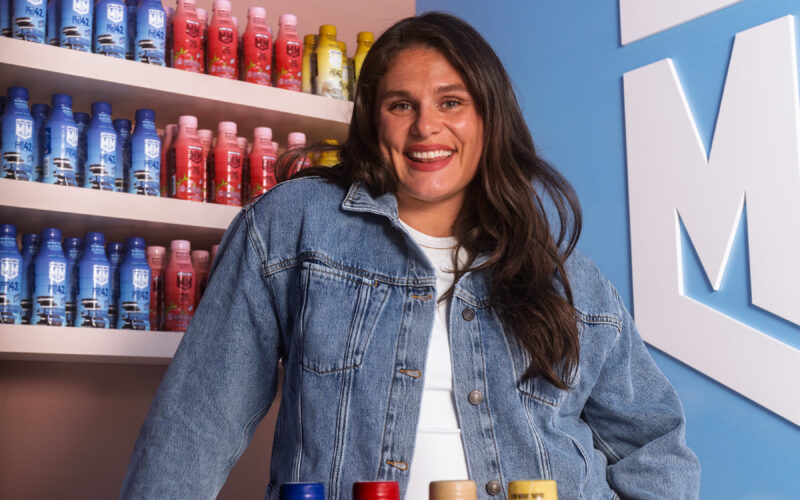
PepsiCo, Inc. (NASDAQ: PEP) is using Muscle Milk’s nationwide reformulation to reposition one of its core protein shake brands for a broader, more mainstream consumer base. The company’s Muscle Milk business has launched a new ready-to-drink protein shake lineup made with ultra-filtered milk, offering 26 grams to 42 grams of complete protein per serving with no artificial sweeteners, artificial flavors or added colors. The move comes as protein consumption expands beyond athletes and gym users into everyday nutrition, weight management, active aging and convenience-led wellness routines. For PepsiCo, Inc., which trades on Nasdaq under the ticker PEP, the update gives the company a sharper position in functional beverages at a time when investors are watching large food and beverage groups for credible growth beyond traditional carbonated drinks and snacks.
Why is PepsiCo reformulating Muscle Milk at a time when protein demand is becoming more mainstream?
Muscle Milk’s reformulation reflects a clear shift in how the protein category is being consumed. Protein is no longer framed only as a post-workout recovery product for athletes. It is increasingly being treated as a daily nutritional tool by office workers, parents, casual exercisers, older consumers and people looking for more filling meal or snack options. That broader audience changes the rules of the category because the winning brand is not necessarily the one with the most aggressive performance language, but the one that makes protein feel easy, familiar and credible.
The use of ultra-filtered milk is important because it allows Muscle Milk to lean into a more recognizable ingredient base. Consumers who feel overwhelmed by long ingredient panels, artificial sweetener debates and competing protein claims may respond better to a formula built around milk-derived complete protein. Muscle Milk is effectively trying to make the category feel less like a supplement aisle and more like a mainstream beverage decision.
This is also a defensive and offensive move for PepsiCo, Inc. The protein shake shelf is becoming crowded, with legacy sports nutrition brands, private-label products, dairy-led challengers and lifestyle wellness companies all competing for attention. By simplifying the formula and emphasizing complete protein, Muscle Milk is trying to protect brand relevance while expanding the addressable market beyond its original fitness-heavy base.

How does the ultra-filtered milk formula change Muscle Milk’s competitive position in ready-to-drink protein shakes?
The reformulated Muscle Milk lineup gives PepsiCo, Inc. a cleaner story to tell in a category where product claims can often blur together. The company says the standard Muscle Milk line will provide 26 grams of protein, while the Muscle Milk Pro line will offer 33 grams to 42 grams of protein per serving. That range allows the brand to serve both everyday users and higher-protein consumers without splitting the identity of the product too sharply.
Ultra-filtered milk also gives the brand a useful bridge between performance nutrition and dairy familiarity. Whey protein and casein protein have different digestion profiles, which allows Muscle Milk to talk about both immediate and sustained muscle support without making the product sound too clinical. That balance matters because mainstream consumers often want benefits, but not homework.
The competitive question is whether this formulation reset can help Muscle Milk stand out against fast-growing protein beverages that are already leaning into cleaner labels, high protein counts and lifestyle positioning. The brand has history, distribution and PepsiCo’s retail muscle behind it. However, older brands also carry the burden of consumer memory. A reformulation can refresh perception, but it also has to persuade shoppers that this is not merely new packaging wearing a healthier-looking jacket.
Why does the Ilona Maher campaign matter for PepsiCo’s broader protein strategy?
The partnership with professional rugby player and medalist Ilona Maher gives the campaign a useful cultural signal. Muscle Milk is not only trying to sell more grams of protein. It is trying to redefine who protein is for. Maher’s public image fits that strategy because she represents strength, consistency and athletic credibility without limiting the message to conventional gym culture.
The “Protein for All” campaign and the Brooklyn “Prodega” pop-up are designed to make protein navigation feel less intimidating. That matters because consumer confusion has become a commercial problem in the nutrition aisle. When every bottle promises performance, recovery, clean ingredients or better macros, shoppers can freeze rather than convert. Muscle Milk is trying to turn clarity into a brand asset.
There is also a retail psychology angle here. The bodega-inspired format makes protein feel local, everyday and approachable rather than elite or hyper-specialized. That is a smart move because the next wave of category growth may come from consumers who do not identify as athletes but still want convenient nutrition. In other words, PepsiCo, Inc. is not just chasing the protein bro. It is chasing the busy person who wants to feel slightly more responsible at 3 p.m.
What does the Muscle Milk reset reveal about PepsiCo’s functional beverage priorities?
The Muscle Milk reformulation fits into a wider consumer packaged goods pattern where large beverage companies are looking for growth in functional, permissible and benefit-led categories. Traditional soft drink and snack portfolios still generate scale, but growth narratives increasingly depend on products tied to hydration, energy, gut health, protein, reduced sugar or active lifestyles. Muscle Milk gives PepsiCo, Inc. a clearer claim in one of the most durable wellness-linked categories.
This matters because protein has a strong repeat-use logic. Consumers who build a shake into breakfast, commuting, post-exercise or afternoon routines may buy frequently and predictably. That makes the category attractive from a revenue quality perspective, especially if the brand can maintain taste, availability and price discipline.
The execution risk is that functional beverage consumers can be both loyal and fickle. They reward convenience and taste, but they also switch quickly when a brand feels outdated or when a competitor offers a better ingredient story. Muscle Milk’s reformulation is therefore not a one-time fix. It is a bid to keep the brand relevant as protein becomes more crowded, more lifestyle-led and more scrutinized.
How should investors read PepsiCo’s Muscle Milk move alongside current PEP stock sentiment?
PepsiCo, Inc. shares recently traded around $149.12, with a market capitalization of roughly $204.44 billion. The stock’s 52-week range has been reported at $127.60 to $171.48, placing the shares below their February 2026 high but above the lower end of the past year’s trading range.
That context matters because Muscle Milk alone will not reset the PepsiCo, Inc. investment case. The company is too large and diversified for a single brand reformulation to materially change near-term earnings expectations. However, the move does speak to the type of portfolio work investors want to see from mature consumer staples companies: sharper category segmentation, better alignment with health-conscious demand and more disciplined use of existing distribution scale.
The market sentiment around PepsiCo, Inc. appears measured rather than euphoric. Investors are likely to view the Muscle Milk update as strategically sensible but not transformational unless it translates into stronger velocity, wider household penetration and margin-resilient growth. The bigger question is whether PepsiCo, Inc. can keep building credible functional nutrition platforms without losing the taste, price and convenience advantages that made its broader portfolio so powerful in the first place.
What are the biggest execution risks for Muscle Milk after the reformulation?
The first risk is taste acceptance. Protein shakes can win on nutrition claims, but repeat purchases often depend on texture, sweetness profile and flavor consistency. Removing artificial sweeteners and simplifying the ingredient base may improve the label story, but PepsiCo, Inc. still has to ensure that consumers see the new formula as an upgrade rather than a compromise.
The second risk is pricing. Ultra-filtered milk and higher-protein formulations can support premium positioning, but the ready-to-drink protein category is increasingly price competitive. If the product sits too high above mainstream alternatives, it could limit adoption among the everyday consumers the campaign is trying to reach. If it prices too aggressively, margin quality may become the problem.
The third risk is message discipline. Muscle Milk is trying to speak to athletes, casual consumers and protein-curious shoppers at the same time. That is a larger opportunity, but it can also blur brand identity. PepsiCo, Inc. needs Muscle Milk to sound accessible without becoming generic, and credible without sounding like a science lesson with a barcode.
What happens next if PepsiCo’s Muscle Milk strategy succeeds or stalls?
If the strategy succeeds, Muscle Milk could become a stronger functional nutrition platform inside PepsiCo, Inc.’s beverage portfolio. That could support more flavor innovation, more multipack adoption, broader convenience-store placement and deeper integration with everyday wellness occasions. It could also give PepsiCo, Inc. a stronger defense against emerging protein drink brands that are trying to use cleaner labels and social media-led positioning to chip away at legacy players.
If the strategy stalls, the risk is not just slower sales. It could suggest that established protein brands face a harder repositioning challenge than expected as consumers migrate toward newer products with more modern brand language. In that scenario, PepsiCo, Inc. may need to push harder on innovation, pricing, packaging or retail activation to keep Muscle Milk visible.
For now, the reformulation looks like a strategically logical move. It simplifies the product message, aligns Muscle Milk with mainstream protein demand and gives PepsiCo, Inc. a clearer way to compete in functional beverages. The bigger test will come not from the launch announcement, but from shelf behavior. Protein shoppers are famously practical. They will read the label, judge the taste, check the price and decide whether the new Muscle Milk earns a repeat spot in the fridge.
Key takeaways on what PepsiCo’s Muscle Milk reformulation means for the company and protein category
- The Muscle Milk reformulation positions PepsiCo, Inc. more directly in the mainstream functional nutrition market rather than only the traditional sports nutrition aisle.
- The use of ultra-filtered milk gives Muscle Milk a clearer ingredient story at a time when consumers are scrutinizing artificial sweeteners, flavors and additives more closely.
- The 26 grams to 42 grams of complete protein range allows Muscle Milk to serve casual protein users and higher-intensity consumers under one broader brand umbrella.
- The Ilona Maher campaign helps Muscle Milk move beyond gym-centric messaging and toward a more inclusive idea of everyday strength.
- The Brooklyn “Prodega” pop-up shows PepsiCo, Inc. is trying to convert protein confusion into a consumer engagement opportunity.
- For investors, the move is strategically positive but unlikely to materially change PepsiCo, Inc.’s near-term valuation without evidence of stronger sales velocity.
- The biggest execution risks are taste acceptance, premium pricing pressure and the challenge of speaking to both athletes and mainstream consumers.
- The reformulation reflects a wider beverage industry shift toward benefit-led products tied to protein, hydration, energy and wellness.
- Muscle Milk’s success will depend less on launch buzz and more on repeat purchasing across grocery, mass retail, convenience and online channels.
Discover more from Business-News-Today.com
Subscribe to get the latest posts sent to your email.