



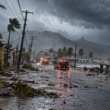


Heavy rain, storms, floods and landslides have killed at least 70 people across India and Nepal, while authorities warn that swollen rivers and saturated terrain could produce additional flash flooding. India has reported 56 deaths, 46 injuries and damage to more than 1,000 homes, while Nepal has recorded 14 deaths and 11 people missing since September 24. Nepali disaster officials warned that 49 of the country’s 77 districts face some level of flash-flood risk as major river systems continue rising.
The rainfall has been extreme in parts of northern India. Uttar Pradesh recorded 66.5 millimetres between September 25 and the morning of September 27, compared with a normal 7.6 millimetres for that period, according to the state relief commissioner. India’s Central Water Commission classified conditions as severe at 30 river-monitoring stations across seven states, with the Ganga, Gandak, Kosi, Bagmati and Narmada among rivers exceeding danger levels.
Where have the September floods caused the greatest damage in India?
The broader Indian death toll includes fatalities associated with intense rainfall and storms across multiple regions, while Uttar Pradesh has emerged as a major area of concern because rainfall totals dramatically exceeded seasonal norms. Authorities have deployed rescue teams into inundated communities, distributed relief and ordered assessments of crop and property losses.
More than 1,000 homes have been damaged across affected Indian areas and at least 46 people have been injured. Waterlogging can remain dangerous even after rainfall eases because rivers and drainage systems continue receiving runoff from upstream areas, meaning communities may experience rising water several hours after local rain has stopped.
The Central Water Commission’s severe classifications across seven states indicate that the event is not confined to one river basin. River systems feeding different parts of northern, eastern and central India are simultaneously under pressure, increasing the logistical burden on emergency agencies.

Why is 66.5 mm of rain in Uttar Pradesh particularly significant?
Rainfall totals need to be understood relative to what is normal for a specific place and period. Uttar Pradesh received about 66.5 millimetres over approximately two days when the typical amount for the period was only 7.6 millimetres, meaning rainfall was nearly nine times normal.
Such a sudden anomaly can overwhelm local drainage, saturate soil and push rivers upward quickly. Agricultural regions are especially vulnerable because standing water can damage crops immediately, while saturated fields and weakened rural roads can remain unusable after floodwaters retreat.
Authorities have instructed officials to assess agricultural damage for compensation. The economic cost will depend partly on which crops were nearing harvest and how long farmland remains underwater.
How serious is the renewed flood threat in Nepal after last month’s disaster?
Nepal’s situation is particularly concerning because communities are still recovering from catastrophic flooding in August that killed more than 1,450 people and left thousands missing. Disaster authorities have warned of possible flash floods across 49 districts, with more than half of the country facing high flood or flash-flood risks.
Officials said Rasuwa and Nuwakot, which suffered heavily in the previous disaster, should remain alert even though they were not considered among the highest-risk districts at the time of the latest assessment. The cumulative effect matters because damaged roads, riverbanks and homes from one disaster can make communities more vulnerable to another.
Fourteen people have died in Nepal since Thursday and another 11 are missing. Rising rivers and tributaries could increase those numbers if additional landslides or flash floods hit remote communities where communications and rescue access are limited.
How are floods affecting Nepal’s power and telecommunications infrastructure?
Power supplies have been completely disrupted in Manang, Mustang, Myagdi and Baglung districts, forcing authorities to carry out emergency restoration work. Flooding on the Rahuganga River damaged structures and transmission towers linked to a 40-megawatt hydropower project, demonstrating how extreme rainfall can simultaneously affect generation and grid infrastructure.
Nepal relies heavily on hydropower, making rivers both a crucial energy resource and a major physical risk. Floodwater can damage turbines, intakes, access roads and transmission towers even when a hydroelectric dam itself remains intact.
Telecommunications have also been disrupted after floods damaged optical-fibre lines and electricity supplies. Loss of communications during disasters can magnify risk because affected communities may be unable to request assistance or receive warnings about additional flooding.
Why are the Ganga, Kosi, Gandak, Bagmati and Narmada danger levels important?
These are major river systems affecting large populations across India and Nepal. When monitoring stations show water exceeding danger levels, authorities may need to evacuate low-lying settlements, close bridges or roads and increase releases or monitoring around dams and barrages.
The Kosi is particularly significant because of its long history of destructive flooding across Nepal and Bihar. The Ganga influences an enormous population corridor across northern India, while the Narmada affects central and western parts of the country.
Simultaneous pressure across multiple river basins complicates resource allocation. Rescue boats, disaster-response units, helicopters and relief supplies cannot all be concentrated in one location when geographically separate regions face severe conditions at the same time.
How could the floods affect agriculture and food prices?
Floods can destroy standing crops, wash away topsoil, damage livestock and disrupt transport from farms to wholesale markets. The precise agricultural impact cannot yet be calculated because authorities are still assessing affected areas, but widespread waterlogging during important crop cycles can translate into local shortages and higher prices.
India’s food inflation outlook is already being watched closely because of broader El Niño concerns and elevated energy costs. Significant crop damage would add another source of pressure by raising transport costs and reducing supplies of affected commodities.
Nepal faces similar vulnerabilities on a smaller economic base. Damage to mountain roads can isolate agricultural communities and increase food distribution costs long after rivers recede.
What role is climate change playing in South Asia’s intensifying flood risk?
Individual floods cannot be attributed solely to climate change without dedicated scientific attribution studies. However, warmer air can hold more moisture, increasing the potential intensity of extreme rainfall events, while rapid urbanisation, deforestation and construction in flood-prone areas can worsen local impacts.
South Asia already experiences enormous natural monsoon variability. That means infrastructure and disaster systems must handle both traditional climate cycles and the possibility that extreme events become more severe.
The practical policy question is therefore resilience. Better forecasting, stronger drainage, protected floodplains, landslide monitoring and infrastructure designed for more intense rainfall can reduce losses regardless of how individual events are attributed.
What are the key takeaways from the India-Nepal flood and landslide emergency?
At least 70 deaths have now been reported across the two countries, with more people missing and additional heavy-rain risks remaining. India has also recorded dozens of injuries and damage to more than 1,000 homes, while Nepal is dealing with power, telecommunications and hydropower disruption.
The most important immediate risk is that rivers remain above danger levels even as rescue operations continue. Disaster authorities therefore cannot treat falling local rainfall as evidence that the emergency has ended.
This is also a compounding disaster for Nepal, which is still recovering from devastating floods only weeks earlier. The repeated shocks underline how quickly infrastructure, communities and government finances can become overwhelmed when extreme rainfall events occur in close succession.
Discover more from Business-News-Today.com
Subscribe to get the latest posts sent to your email.


