

GE Vernova Inc. (NYSE: GEV), the United States-based power generation and electrification equipment company, has secured an order to supply gas turbine technology for the proposed 372 MW Songon combined-cycle power plant near Abidjan, Côte d’Ivoire. Announced on October 20, 2026, the order involves a 9E gas turbine and generator for a project being developed by Songon Energies S.A., with China Energy International Engineering Co., Ltd. responsible for engineering, procurement and construction. The development follows financing agreements signed in June and is scheduled to begin commercial operation in 2029, potentially adding a substantial source of dispatchable electricity to support industrial expansion and demand growth. Although the order strengthens GE Vernova’s African power equipment portfolio, its financial contribution cannot be quantified because the contract value has not been disclosed, while the project’s eventual operating performance will depend on construction execution, fuel availability and electricity market arrangements.
Why has Songon Energies selected GE Vernova for Côte d’Ivoire’s 372 MW power development?
Songon Energies is developing the combined-cycle facility in the Songon region near Abidjan, an important industrial and commercial centre within Côte d’Ivoire. The project is intended to increase electricity generation capacity serving the wider metropolitan region and support growing demand from households, businesses and industrial customers. GE Vernova has been selected to provide a central component of the new generating infrastructure.
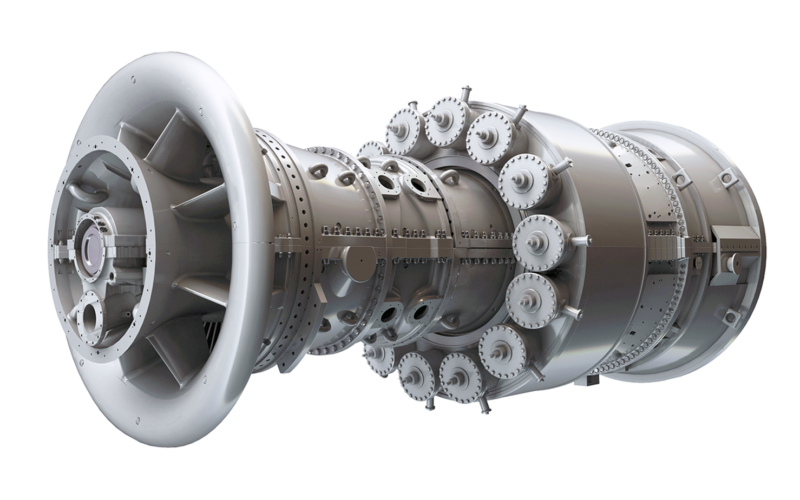
The order covers a 9E gas turbine and generator, which will form part of the planned combined-cycle configuration. GE Vernova’s equipment is intended to provide reliable power generation using natural gas, while the overall plant design will seek to recover additional energy from turbine exhaust heat. The project is expected to deliver approximately 372 MW when fully developed.
China Energy International Engineering will undertake the engineering, procurement and construction responsibilities for the broader facility. This distinction matters because GE Vernova’s announced supply role does not make it the owner or sole construction contractor for the entire power station. The responsibilities of each company will be governed by the relevant contracts and project implementation arrangements.
The company has stated that the order was booked during the third quarter of 2026, despite being publicly announced on October 20. Consequently, the announcement does not represent an additional fourth-quarter order that should automatically be added to third-quarter equipment bookings.
The financial terms of the turbine supply agreement have not been disclosed. Investors therefore cannot independently determine the value of the order, its expected gross margin or the amount of revenue to be recognised in each financial reporting period.
The contract nevertheless adds a confirmed equipment supply commitment to GE Vernova’s existing African business, where the company has participated in generation, transmission and digital electricity infrastructure projects.
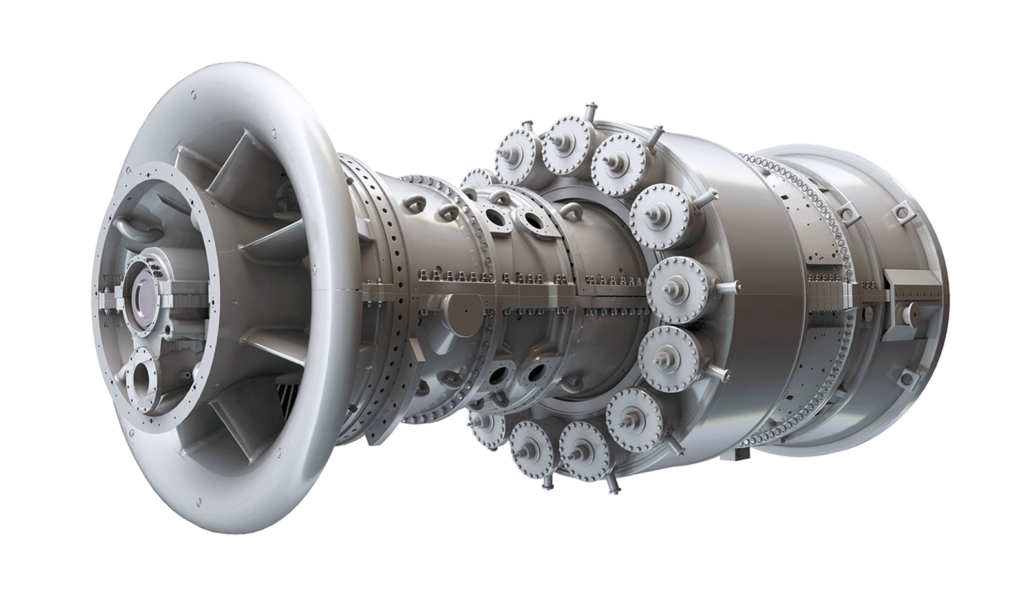
How will the Songon combined-cycle plant contribute to Côte d’Ivoire’s electricity generation capacity?
The proposed facility will have approximately 372 MW of generation capacity, a meaningful addition relative to the country’s existing electricity system. GE Vernova has indicated that the plant could represent as much as 12% of Côte d’Ivoire’s installed generation capacity when it enters operation in 2029. That comparison depends on the country’s future generating fleet and should not be interpreted as a fixed share of national electricity production.
Installed capacity measures the maximum rated output of electricity generation equipment, while actual electricity production depends on plant availability, operating requirements and fuel supply. A facility representing 12% of installed capacity may contribute a different percentage of annual electricity generation depending on how frequently it operates and the performance of other plants.
Combined-cycle generation uses the exhaust heat from a gas turbine to produce additional electricity through a steam cycle. This approach can improve fuel efficiency compared with a simple-cycle configuration, although the actual efficiency of the Songon project will depend on its final engineering specifications and operating conditions.
A more efficient power station can potentially reduce the quantity of natural gas required per unit of electricity generated. That may improve operating economics and reduce emissions intensity relative to less efficient gas-fired generation, but the facility will still produce carbon dioxide when natural gas is used as fuel.
The project could also provide dispatchable electricity that helps support the grid when other generation sources are unavailable or demand increases. Its actual operating role will depend on dispatch arrangements, available fuel and the commercial structure governing electricity sales.
GE Vernova has not disclosed a confirmed annual generation forecast or operating capacity factor for Songon. Those figures will be necessary before a reliable estimate can be made of the plant’s future contribution to electricity supply.
Why is Côte d’Ivoire investing in additional gas-fired power despite its progress in electricity access?
Côte d’Ivoire has made substantial progress in expanding electricity access, with GE Vernova reporting an electrification rate of approximately 94.3% in 2024. The country is pursuing universal electricity access and improved power quality by 2030, creating requirements for both generation and network infrastructure. Increasing the number of connected customers also raises the importance of reliable electricity supply.
The company cites electricity demand growth of approximately 10% to 15% annually in the relevant market context. That figure indicates a substantial infrastructure challenge, although actual demand growth will vary across economic conditions, customer categories and reporting periods. Sustained double-digit growth would require considerable investment in generation, transmission and distribution.
Abidjan’s commercial and industrial concentration creates particular demand for reliable electricity. Manufacturing facilities, logistics operations, offices and other businesses can face significant operational costs when power interruptions occur. A new generation facility could help meet demand while supporting industrial development.
Gas-fired power stations can provide dependable generation where sufficient fuel is available, but they introduce ongoing exposure to natural gas supply and pricing arrangements. The economic benefits of the Songon development will therefore depend partly on its ability to obtain fuel under commercially suitable conditions.
Transmission and distribution infrastructure must also be capable of delivering the additional electricity to consumers. Expanding generation without corresponding network capacity can limit the benefit to businesses and households.
The Songon project should consequently be evaluated as one element of a wider electricity development programme rather than a complete solution to every reliability and access challenge in Côte d’Ivoire.
What construction and financing milestones remain before Songon begins operation in 2029?
Songon Energies signed financing agreements for the project in June 2026, providing an important step toward implementation. The subsequent selection of GE Vernova for the gas turbine technology confirms another component of the project’s procurement programme. However, the October announcement does not disclose the final total construction cost or all financing terms.
The proposed plant remains subject to construction and commissioning before electricity production can begin. Equipment delivery, civil works, electrical integration and completion of the combined-cycle systems will need to proceed according to the development schedule. Delays in any major component could affect the targeted 2029 operating date.
The project is expected to create up to 1,400 jobs during its development and related construction activities, according to the company’s announcement. That is an anticipated employment benefit rather than a confirmed count of permanent operating jobs. The lasting employment contribution will depend on the final operating organisation and associated local economic activity.
Gas supply arrangements will also be important because a combined-cycle plant requires consistent fuel availability to deliver reliable electricity. The announcement does not identify a detailed long-term fuel procurement contract or the final gas transportation arrangements.
A bankable electricity project typically also requires commercial arrangements governing electricity sales and the financial responsibilities of participating companies. The full offtake and tariff structure for Songon has not been disclosed in GE Vernova’s October announcement, preventing an independently supportable projection of annual plant revenue.
Further milestones will include equipment manufacturing and delivery, construction progress, electrical connection and commissioning. These will determine whether the project achieves its intended contribution to the regional electricity system on schedule.
How does the Songon order strengthen GE Vernova’s African power equipment and services business?
GE Vernova operates across power generation, wind energy and electrification technologies, serving utilities and industrial customers in multiple international markets. Its Gas Power business supplies turbines and associated equipment while also providing long-term services for installed generating infrastructure. Orders such as Songon can create opportunities for both initial equipment revenue and subsequent maintenance activity, depending on the associated contracts.
The company’s existing African footprint includes generation equipment, transmission hardware, software and long-term service relationships. These capabilities can support customer relationships where countries are expanding generation and strengthening electricity networks. However, the Songon order should not be treated as evidence that GE Vernova has secured every potential infrastructure contract connected to the project.
Management has expressed interest in providing additional expertise involving high-voltage substations, digital software and services. Those possibilities could broaden the commercial relationship, but the October announcement specifically confirms the gas turbine and generator order. Potential future service or equipment opportunities should be distinguished from contracted work.
The project also provides a reference for GE Vernova’s 9E technology in a developing electricity market. Installed equipment that performs reliably can support future procurement discussions, particularly with customers seeking comparable generation technology and established service arrangements.
Nevertheless, commercial competition remains relevant. International power equipment manufacturers compete on efficiency, purchase price, delivery schedules, fuel flexibility and maintenance requirements. An individual order strengthens the installed base but does not independently establish a change in market share.
For GE Vernova, the financial importance of Songon will depend on the contracted equipment revenue and any confirmed downstream service agreements, rather than the full capital value of the power station.
Why are GE Vernova shares under pressure ahead of its October 28 earnings announcement?
GE Vernova shares closed at $815 on October 23, declining approximately 1.5% during the session. The stock had fallen sharply on October 22, when it closed at $827.42 compared with $925.92 on October 21, a decline of approximately 10.64%. The subsequent trading session did not reverse that decline, leaving shares approximately 11.5% below their October 16 close of $921.20.
The market weakness occurred during a period when investors were assessing the company’s broader growth prospects and valuation, but the observed movements cannot be attributed confidently to the Songon order. The African equipment contract represents one part of GE Vernova’s global business and does not provide sufficient financial detail to explain such a large share-price movement.
The company is scheduled to release its third-quarter 2026 results on October 28. Those disclosures will provide updated information on orders, revenue, profitability, cash flow and operating trends across its major business segments.
The Songon order was booked during the third quarter, making the timing of the forthcoming results relevant to the company’s order reporting. However, the announcement does not provide enough detail to establish how much of the associated contract value will be recognised as revenue in the same quarter.
Investors will need to distinguish GE Vernova’s current operating performance from the revenue potential of its expanding equipment order portfolio. Manufacturing capacity, project delivery schedules and the margins associated with different contracts will influence how effectively orders translate into earnings.
The Songon project provides a tangible international equipment award linked to a planned 372 MW power station, but its direct contribution to shareholder value remains unquantified. The next meaningful operating proof points will be successful equipment delivery and commissioning, while GE Vernova’s October 28 financial results will provide the broader context for evaluating profitability and order conversion.
Key takeaways on GE Vernova’s Songon combined-cycle power contract in Côte d’Ivoire
- GE Vernova announced the Songon equipment order on October 20, 2026.
- Songon Energies is developing the new power station near Abidjan.
- The plant is expected to have approximately 372 MW of generating capacity.
- GE Vernova will supply a 9E gas turbine and generator.
- China Energy International Engineering is responsible for the broader engineering and construction programme.
- Financing agreements for the project were signed in June 2026.
- The facility is targeting commercial operation in 2029.
- The project could create up to 1,400 jobs during development and construction.
- GE Vernova booked the equipment order during the third quarter, but its value remains undisclosed.
- GE Vernova shares closed at $815 on October 23 ahead of its scheduled October 28 results.
Discover more from Business-News-Today.com
Subscribe to get the latest posts sent to your email.