Why are Asian and multicultural cuisines driving the future of foodservice menus in Canada in 2025?
Unilever Food Solutions (UFS), the multinational foodservice business of Unilever plc, has launched its Future Menus 2025 whitepaper in Canada, unveiling the global culinary trends expected to shape restaurant menus and consumer experiences. The Toronto event, hosted at Prime Seafood Palace, marked the Canadian debut of UFS’s global research program that identifies shifting demand patterns across cuisines, dining experiences, and value propositions.
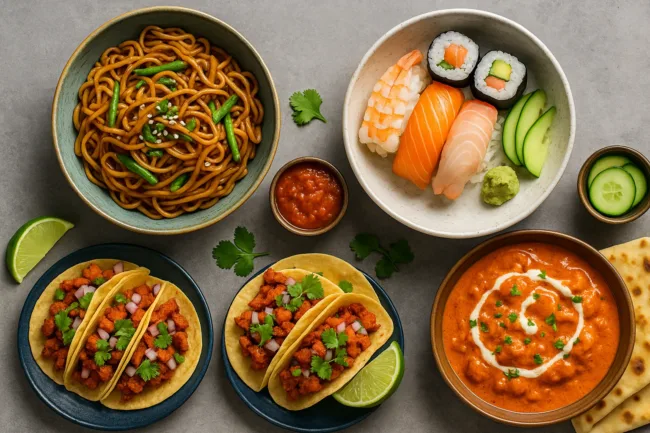
For Canadian chefs and operators, the findings highlight a clear pivot in consumer preferences: Asian cuisines such as Chinese, Japanese, Korean, and Filipino are gaining ground on traditional European culinary dominance. At the same time, Mexican and Latin American influences are expanding their foothold. Industry observers interpret this as part of a broader cultural realignment where globalization, migration, and Canada’s multicultural landscape are reshaping the nation’s foodservice sector.
How does the Future Menus 2025 whitepaper identify the biggest foodservice opportunities this year?
The Future Menus 2025 report is the third annual thought leadership publication from Unilever Food Solutions and is based on a mix of chef panel feedback, industry data, and social media analytics. According to UFS, the research captured insights from 250 in-house chefs, 1,100 external chef professionals across 20 markets, and data from more than 237,000 culinary keywords representing over 312 million searches worldwide.
The Canadian event showcased the four key global menu trends with live, interactive experiences:
Street Food Couture, focusing on the premiumization of affordable street dishes; Borderless Cuisine, which emphasizes cultural blending and fusion; Culinary Roots, highlighting heritage, Indigenous, and local ingredients; and Diner Designed, reflecting the rise of personalized, immersive dining experiences powered by technology and consumer engagement.
Analysts view this structured mapping of demand as a strategic tool for restaurant operators under pressure to balance value with novelty, particularly in an inflationary environment where Gen Z and millennial spending drives much of the foodservice growth.

What makes street food couture a core trend for value-driven Canadian consumers in 2025?
One of the standout insights from UFS’s research is that street food has become a gateway to culinary creativity in Canada. The Street Food Couture trend emphasizes how traditional street offerings — from tacos to roti — are being elevated into gourmet formats that retain affordability while delivering unique experiences.
UFS data shows that nearly half of Gen Z Canadians report borrowing money or dipping into savings for food purchases. Yet, this demographic also spends the most on restaurants and food delivery compared to other generations. Industry observers suggest this paradox is fueling the demand for high-quality but accessible dining formats, where Filipino night markets in Toronto or Indian-inspired pizzas in Canadian fast casual outlets capture both authenticity and affordability.
For operators, analysts believe the challenge will be engineering menus that balance cost control with gourmet perception, as consumer expectations increasingly demand more than traditional quick-service dining.
How is borderless cuisine redefining multicultural dining experiences across Canada’s food landscape?
The second major trend, Borderless Cuisine, reflects the continued evolution of Canadian dining into a multicultural melting pot. According to the UFS report, 73% of Canadians actively enjoy experiencing other cultures through food, while 57% report being more open to trying ethnic foods today than they were before.
Chefs are embracing this openness by blending Asian, African, Latin American, and South Asian influences into Canadian staples. Examples include Vietnamese-inspired pizza in Toronto, Kamayan-style Filipino communal feasts, and African spice infusions in fine dining menus.
Institutional investors and industry watchers see this as a structural shift that favors brands capable of celebrating cultural diversity authentically while appealing to mainstream consumers. For foodservice operators, this means investing in training, sourcing, and recipe innovation that can consistently deliver fusion experiences without diluting brand identity.
Why are culinary roots and Indigenous food traditions gaining traction in the Canadian restaurant sector?
The Culinary Roots trend highlights a rising focus on authenticity, heritage, and local sourcing. Canadian chefs are increasingly turning to Indigenous ingredients and cooking traditions, such as open-fire cooking, smoking, and regional preservation techniques, to create unique menu offerings.
Unilever Food Solutions emphasizes that heritage-inspired menus not only differentiate restaurants in competitive markets but also resonate with consumers seeking authenticity. Analysts view this trend as a key driver for premium positioning in urban centers, where diners are willing to pay a premium for food that carries a cultural or historical narrative.
In addition, the focus on Culinary Roots aligns with sustainability and provenance-driven dining, where local sourcing and reduced food miles complement broader ESG considerations in the hospitality industry.
How are personalized dining experiences shaping restaurant investments and menu engineering?
The final trend, Diner Designed, underscores the increasing importance of customization and experiential dining. With 47% of surveyed consumers reporting they prefer to spend on experiences rather than material goods, foodservice operators are now investing in technologies and concepts that enable personalization.
At the Toronto launch, this was brought to life through an AI-powered dessert experience that tailored cake bases and toppings to individual diner preferences. Industry experts say such immersive approaches demonstrate how digital tools and customer interaction can extend dining beyond food itself into a memory-driven experience economy.
For restaurants and operators, menu engineering will need to go beyond recipe development to encompass experience design, where customer engagement and personalization tools can directly drive loyalty and repeat visits.
How is Unilever Food Solutions positioning itself within Canada’s foodservice and culinary transformation?
Unilever Food Solutions, which operates in more than 75 countries and accounts for around 20% of Unilever’s Foods Business Group, is positioning itself as a chef-driven partner for innovation in the Canadian market. With more than 250 in-house chefs and power brands like Knorr Professional and Hellmann’s, the foodservice business is leveraging its scale and expertise to guide operators through evolving consumer expectations.
Through initiatives such as Positive Kitchens, training programs, and culinary research, UFS is creating a support ecosystem for Canadian chefs that blends global insights with local execution. Analysts view this as a long-term strategy that reinforces Unilever’s relevance in professional kitchens at a time when operators face intense competition, rising costs, and shifting consumer behavior.
What does the Canadian foodservice sector outlook suggest for 2025 and beyond?
Industry sentiment around the Canadian foodservice market suggests that operators who adapt to multicultural, experiential, and value-driven dining will capture the strongest growth. With consumer preferences tilting toward Asian, Latin American, and heritage-inspired flavors, restaurants that innovate while retaining affordability are expected to outperform.
Institutional observers believe the Future Menus 2025 framework offers a roadmap for operators to bridge global trends with local consumer realities, particularly as inflation and shifting demographics influence spending habits. For Unilever Food Solutions, this positions its Future Menus research as both a thought leadership tool and a commercial driver for its chef-focused portfolio.
As analysts note, the Canadian foodservice landscape is not simply evolving—it is becoming more competitive, multicultural, and experience-led. In this environment, the ability to combine culinary innovation with operational efficiency will define which restaurants thrive in the years ahead.
Discover more from Business-News-Today.com
Subscribe to get the latest posts sent to your email.