
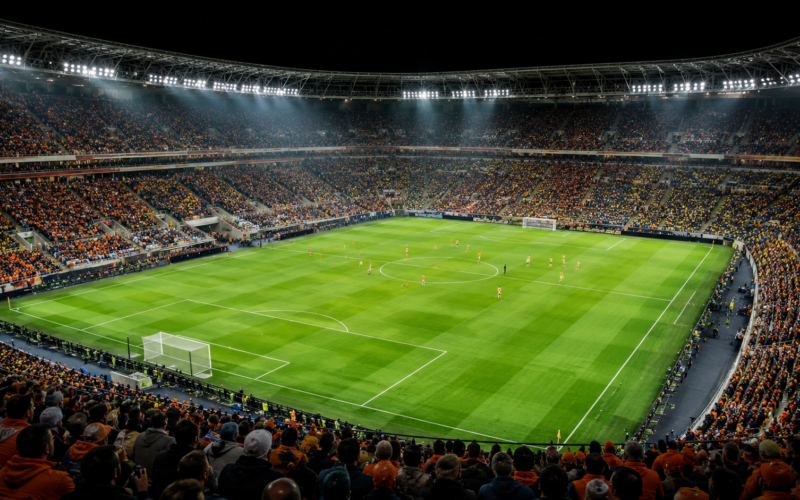
Egypt defeated Australia 4-2 on penalties after their FIFA World Cup 2026 Round of 32 match finished 1-1 following extra time at Dallas Stadium in Arlington, Texas, on Friday, July 3, 2026. Emam Ashour headed Egypt into a 13th-minute lead before Mohamed Hany’s own goal brought Australia level in the 55th minute.
Cristian Volpato struck the crossbar during Australia’s encouraging opening spell, while Omar Marmoush missed a major opportunity only seconds after half-time. Egypt controlled more possession and produced the stronger late chances, but Patrick Beach’s exceptional stoppage-time save from Rami Rabia forced the contest into extra time.
Australia replaced Beach with Mat Ryan in the 119th minute specifically for the shootout, but the gamble did not alter the outcome. Harry Souttar fired Australia’s first kick over the crossbar, Lucas Herrington later struck the woodwork and Egypt converted all four penalties, including Mohamed Salah’s Panenka and Hossam Abdelmaguid’s decisive finish.
Egypt advanced after recording the first FIFA World Cup knockout victory in the country’s history, while Australia were eliminated without ending their own wait for a knockout win. Hossam Hassan’s side will face Argentina in the Round of 16 at Atlanta Stadium on Tuesday, July 7, at noon local time.
FIFA World Cup 2026 Australia 1-1 Egypt full match scorecard and key incidents
FIFA World Cup 2026 Australia vs Egypt penalty shootout in exact order
How did Egypt overcome Australia’s energetic opening and score after 13 minutes?
Australia began with greater attacking ambition than Egypt may have expected. Volpato received between Egypt’s midfield and defence, while Irankunda attempted to run directly at Karim Hafez and Yasser Ibrahim before the defensive block could settle.
Volpato almost changed the match in the fifth minute when his dipping effort clipped the top of the crossbar. The shot was Australia’s clearest attempt from open play and briefly suggested that Egypt’s deeper starting position could invite dangerous pressure.
Egypt responded by increasing the intensity around Australia’s first pass. Hamdy Fathy and Marwan Ateya closed the central midfielders, while Marmoush and Salah positioned themselves to attack the spaces left beside Australia’s three centre-backs.
The opening goal followed a set-piece phase created when Jackson Irvine conceded a foul near the left side of the penalty area. Australia only partially cleared the first delivery, allowing Egypt to recycle possession and give Karim Hafez another opportunity to cross.
Ashour arrived unmarked at the far post and headed beyond Beach. Australia had enough defenders inside the area, but their attention remained fixed on the central group rather than the late runner attacking from the opposite side.
Why did Emam Ashour’s movement create the problem Australia failed to anticipate?
Ashour began in midfield but frequently moved beyond Marmoush and Salah whenever Egypt established possession in the attacking third. His delayed runs were difficult for Australia to assign because the centre-backs were already occupied by Egypt’s forwards.
For the goal, Ashour remained outside the immediate defensive attention until Hafez prepared the second cross. Behich and Herrington narrowed towards the centre, while no midfielder tracked Ashour’s movement towards the back post.
The header required composure rather than exceptional power. Ashour directed the ball beyond Beach and gave Egypt the advantage without forcing the goalkeeper into an opportunity to react.
His role also helped Egypt control the middle of the pitch. Ashour could support the press, recover alongside Fathy and Ateya, and then become an additional attacker when Australia’s defensive line retreated.
That flexibility was central to Egypt’s better first half. Salah remained carefully managed following his hamstring problem, but Ashour’s movement supplied the vertical threat Egypt needed around the penalty area.
Why did Australia struggle to convert 16 attempts into more than one shot on target?
Australia finished with more attempts than Egypt, yet nine of their shots were blocked and only one required a save from Shobeir. The difference showed how Egypt controlled the quality of Australia’s shooting positions even when the Socceroos reached the final third.
Souttar and Herrington created an aerial threat from set pieces, but Rabia and Yasser Ibrahim protected the central delivery zones. Australia therefore relied on second balls, long-range efforts and crosses arriving from positions that allowed Egypt to reorganise.
Irankunda offered direct acceleration without consistently finding the final pass. Volpato was the more inventive attacker, but his early strike against the crossbar and later curling effort both came from outside the most valuable scoring areas.
Metcalfe nearly reached Irvine’s cross after half-time, although the delivery travelled slightly beyond him. That moment reflected Australia’s attacking performance because several promising moves ended without a clean final contact.
Australia accumulated pressure but did not create a clear chance recorded by the major statistical providers. Egypt’s eight blocks and 37 clearances showed how effectively Hossam Hassan’s team defended the areas directly in front of Shobeir.
How did Mohamed Hany’s own goal expose Egypt’s continuing set-piece weakness?
Australia equalised ten minutes into the second half after O’Neill won a free kick near the left side of Egypt’s penalty area. His inswinging delivery travelled towards the six-yard box with enough pace to force defenders and attackers into immediate decisions.
Hany attempted to clear while moving towards his own goal. The defender made contact ahead of the Australian runners but redirected the ball beyond Shobeir and into the net.
The own goal was not created by a long attacking sequence. Australia instead exploited the uncertainty caused by a delivery placed between the goalkeeper and defensive line, where any touch carried significant danger.
Egypt had already shown vulnerability when defending second phases from set pieces. The equaliser confirmed that Australia’s best route was not through sustained combinations but through deliveries that forced Egypt’s defenders to turn towards their own goal.
Hany recovered to complete the match and contributed during extra time. However, the own goal removed Egypt’s control and transformed what had appeared to be a manageable lead into a physically demanding 120-minute contest.
Why was Omar Marmoush’s miss seconds after half-time such a decisive moment?
Egypt should have doubled the lead almost immediately after the restart. Marmoush found space beyond Australia’s defence and advanced towards goal with Beach already exposed.
The forward attempted to guide the ball across the goalkeeper but placed his shot wide. The chance came before Australia had established its second-half rhythm and represented Egypt’s clearest opportunity to create a two-goal cushion.
Australia equalised less than ten minutes later. The score therefore moved from potentially becoming 2-0 to 1-1 because Egypt failed to convert one transition and then defended a set piece poorly.
Marmoush remained influential with his running and ability to carry possession away from pressure. His finishing, however, prevented Egypt from settling the contest before Australia’s physical and emotional momentum increased.
The missed chance also contributed to Egypt’s xG advantage. Hossam Hassan’s side created fewer attempts than Australia but produced the more valuable opportunities, particularly through Marmoush and Rabia.
How did Patrick Beach keep Australia alive during the closing stages?
Beach’s most important intervention arrived in the fourth minute of second-half stoppage time. Egypt delivered another set piece into the area, where Rabia rose and directed a powerful header towards the upper part of the goal.
The goalkeeper reacted rapidly and pushed the ball over the crossbar. The save prevented Egypt from scoring a likely winner and ensured Australia reached extra time.
Beach remained composed as Egypt increased pressure during the final regulation minutes. He benefited from Souttar’s blocks, particularly when Haissem Hassan and Ashour found shooting positions, but his own positioning gave Australia confidence behind a tiring defensive line.
The performance made his 119th-minute removal particularly striking. Beach had made three saves, including the intervention that extended the match, before Ryan entered specifically for the shootout.
The change was prepared as a specialist tactical move rather than a response to Beach’s performance. Its failure should not diminish the younger goalkeeper’s contribution, which was one of the main reasons Australia remained in the competition for 120 minutes.
Why did Mohamed Salah struggle during normal time but dominate the shootout moment?
Salah returned to Egypt’s starting line-up after recovering from a hamstring strain. He completed the match but operated with less explosive movement than Egypt usually receive from their captain.
Australia assigned Herrington and Behich to control the spaces around Salah, while O’Neill and Irvine provided additional cover whenever he moved inside. The defensive plan reduced his access to one-against-one situations and forced him to release possession earlier.
Salah’s clearest chance from open play arrived early in extra time. Marmoush supplied the ball into his path, but the unmarked forward drove his effort over the crossbar.
His influence increased as Australia’s defensive structure became tired. Salah began carrying the ball in from the right, winning corners and creating shooting opportunities that Souttar and Herrington blocked.
The decisive contribution came in the shootout. With Egypt leading 2-2 after five kicks, Salah chipped a Panenka through the centre and placed immediate pressure on Australia’s next taker.
The execution carried enormous risk, but it communicated confidence to Egypt’s remaining players. Herrington struck the crossbar moments later, allowing Abdelmaguid to complete the historic victory.
Was Australia’s decision to replace Patrick Beach with Mat Ryan justified?
Popovic introduced Ryan with approximately one minute of extra time remaining. The decision reflected the experienced goalkeeper’s long international career and the belief that his knowledge of penalty takers could improve Australia’s chances.
Specialist goalkeeper substitutions have succeeded in major knockout competitions, particularly when the incoming player possesses a strong penalty record or imposing presence. Australia also had a substitution available and little reason to preserve it with the match approaching the shootout.
The difficulty was that Beach had played with growing authority. Removing a goalkeeper immediately after an outstanding performance also changed the emotional rhythm of Australia’s defensive unit.
Ryan faced four Egypt penalties and did not stop one. He moved in the correct direction for Saber’s strike but could not reach it, while Rabia, Salah and Abdelmaguid defeated him through placement or deception.
The substitution did not directly cause Australia’s defeat because Souttar and Herrington missed the target without forcing Shobeir into saves. However, the intended advantage never materialised, leaving the decision as one of the match’s defining tactical gambles.
How did Egypt’s shootout order place immediate pressure on Australia?
Salah won the pre-shootout decisions and required Australia to take the first kick. Souttar therefore walked forward knowing Egypt would respond after every Australian attempt.
The centre-back attempted to place the opening penalty high but sent it over the crossbar. Egypt gained an immediate advantage before Ryan had faced a kick.
Saber had entered during the final seconds of extra time specifically with the shootout in mind. He validated the substitution by converting powerfully into the left side, despite Ryan reading the direction.
Irvine and Mabil scored confidently for Australia, but Egypt never surrendered the lead. Rabia converted calmly, and Salah’s Panenka increased the psychological pressure before Herrington’s attempt.
Herrington was only 18 and had defended with maturity throughout the match. His penalty struck the crossbar rather than missing by a large margin, but the result gave Abdelmaguid the opportunity to end the shootout without Egypt requiring a fifth taker.
Egypt’s four successful kicks were technically varied and emotionally controlled. Australia’s two failures both came from defenders attempting to place the ball high, where the margin for error was considerably smaller.
Why did Egypt deserve progression despite failing to win across 120 minutes?
Egypt controlled 58.3% of possession, completed more than 200 additional accurate passes and produced the better expected-goals total. Their three shots on target also exceeded Australia’s one.
Australia remained dangerous through physical pressure, direct running and set pieces. However, many of their 16 attempts were blocked or taken from positions that carried limited scoring probability.
Egypt created the clearer chances. Ashour converted from close range, Marmoush missed when through after half-time and Rabia forced Beach into the strongest save of the match.
Salah and Haissem Hassan also threatened during extra time as Australia’s defensive energy declined. Souttar and Herrington prevented Egypt from scoring, but the pressure increasingly moved towards Beach’s goal.
The match remained close because Egypt failed to convert its superiority into a second valid goal. In the shootout, however, the team demonstrated the composure that had been missing during open play.
What did Harry Souttar contribute before his opening penalty miss?
Souttar led an Australian defence that absorbed significant pressure during the closing stages. His size and positioning helped Australia deal with Egypt’s 24 attempted crosses and seven corners.
The captain produced several decisive blocks after the match became stretched. Haissem Hassan appeared ready to score late in regulation time before Souttar extended a leg and redirected the attempt away from goal.
He repeated the intervention in extra time when Ashour curled towards the upper corner. Without those blocks, Australia may not have reached penalties.
Souttar also organised Herrington and Circati as Egypt rotated Salah, Marmoush and Ashour across the attacking line. Australia completed 31 clearances, with the central defenders responsible for protecting Beach during Egypt’s strongest period.
The shootout miss was costly but should be separated from his defensive contribution. Souttar accepted responsibility as Australia’s first taker, although his attempt carried too much height and never tested Shobeir.
Why could Australia not use fresh attackers to win during extra time?
Popovic introduced Mabil and Paul Okon-Engstler at the start of extra time after already adding Touré and Hrustić during the second half. The changes were designed to supply fresh running and improve Australia’s ability to counter as Egypt committed more players forward.
Mabil created the most promising late moment when he accelerated through the inside-left channel and drew a foul from Hany near the penalty area. The resulting free kick offered Australia a rare opportunity to threaten directly.
Mabil struck the defensive wall. The chance disappeared without forcing Shobeir into a save, leaving Australia dependent on surviving until penalties.
Touré provided a stronger physical reference point than Irankunda, but Egypt’s defenders limited his service. Hrustić delivered several crosses, including the final extra-time ball that produced a chaotic sequence inside the area, yet Shobeir eventually gathered.
Australia’s substitutes added energy without changing the quality of the finishing. Egypt’s replacements had the greater decisive impact because Saber and Abdelmaguid both converted in the shootout.
What must Australia improve after another FIFA World Cup knockout elimination?
Australia have now reached the elimination rounds three times without recording a victory. The performances against Italy in 2006, Argentina in 2022 and Egypt in 2026 were competitive, but each ended through narrow margins.
The immediate weakness remains chance creation. Australia can defend, compete physically and make knockout matches uncomfortable, yet they recorded only one shot on target across 120 minutes in Dallas.
The attacking structure relied too heavily on transitions and set pieces. When Egypt defended deeper, Volpato and Irankunda lacked enough close support to combine through the central areas.
Australia also need greater technical security after regaining possession. Several defensive clearances returned immediately to Egypt because the forwards could not retain the ball or connect with the midfield.
The young core still offers substantial encouragement. Beach, Herrington, Irankunda, Volpato and Circati gained knockout experience that can influence the next Asian Cup and qualification cycle.
The penalty defeat should therefore be treated as both an ending and a development point. Australia demonstrated that they can compete with experienced tournament teams, but the next step requires converting resilience into more consistent attacking quality.
What must Egypt change before facing Argentina in the Round of 16?
Egypt cannot expect Argentina to waste the same number of central openings that Australia failed to exploit. Lionel Scaloni’s side possess greater passing quality between the lines and several forwards capable of punishing incomplete defensive clearances.
Hany’s own goal highlighted Egypt’s vulnerability when set-piece deliveries arrive between Shobeir and the defensive line. Argentina will test that area through Lionel Messi’s delivery and the movement of their centre-backs.
Egypt must also manage Salah’s physical condition carefully. He completed 120 minutes after returning from injury, and the Round of 16 follows only four days later.
Marmoush’s speed will become central to Egypt’s counterattacking plan. Argentina’s full-backs advance aggressively, creating potential space for Marmoush and Ashour if Egypt can escape the first pressure.
The midfield must reproduce the possession control shown against Australia without becoming passive. Argentina will dominate longer phases, meaning Fathy, Ateya and Ashour must defend compactly while retaining enough ambition to carry the ball forward.
Egypt enter the match with history already secured. Their next challenge is considerably harder, but the shootout victory demonstrated a level of emotional control that will be essential against the defending champions.
How does Egypt’s victory shape the FIFA World Cup 2026 knockout bracket?
Egypt advanced to face Argentina at Atlanta Stadium on Tuesday, July 7. Argentina reached the Round of 16 by surviving a 3-2 extra-time match against Cape Verde.
The winner will progress to the quarter-finals in Kansas City on July 11. That team will face the winner of the connected Round of 16 fixture involving Switzerland and the eventual winner of Colombia vs Ghana.
Australia were eliminated after finishing second in their group and reaching the knockout phase for the third time. Egypt, meanwhile, moved into the Round of 16 after winning a FIFA World Cup elimination match for the first time.
Key takeaways from Australia vs Egypt at FIFA World Cup 2026
- Egypt defeated Australia 4-2 on penalties after the match finished 1-1 following extra time.
- Emam Ashour headed Egypt into a 13th-minute lead from Karim Hafez’s delivery.
- Cristian Volpato struck the crossbar during Australia’s energetic opening period.
- Omar Marmoush missed a major opportunity to double Egypt’s lead seconds after half-time.
- Mohamed Hany’s own goal from Aiden O’Neill’s free kick brought Australia level in the 55th minute.
- Patrick Beach made a decisive stoppage-time save from Rami Rabia to force extra time.
- Mat Ryan replaced Beach in the 119th minute for the shootout but could not stop any of Egypt’s four penalties.
- Harry Souttar fired Australia’s opening penalty over before Lucas Herrington struck the crossbar.
- Mohamed Salah converted a Panenka and Hossam Abdelmaguid scored the decisive kick.
- Egypt advanced to face Argentina in Atlanta, while Australia’s wait for a FIFA World Cup knockout victory continued.
Discover more from Business-News-Today.com
Subscribe to get the latest posts sent to your email.