

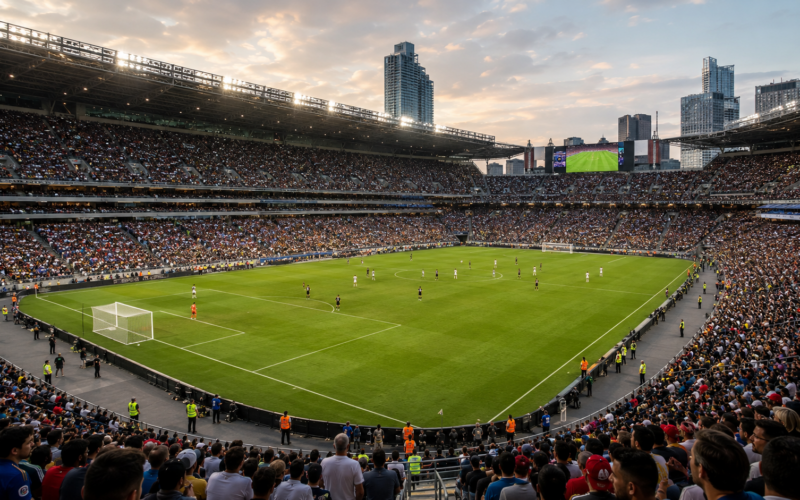
Belgium drew 1-1 with Egypt at Seattle Stadium on June 15, 2026, as Romelu Lukaku came off the bench and helped force a Mohamed Hany own goal just seconds after his introduction to rescue a point in a tense FIFA World Cup 2026 Group G opener. Egypt had taken a deserved lead in the 19th minute through Emam Ashour’s powerful strike, his first international goal, before Belgium finally broke through in the 66th minute after Lukaku’s immediate presence unsettled the Egyptian defence.
The result leaves Belgium and Egypt on one point each in Group G, with Iran and New Zealand later also drawing 2-2 to leave all four teams level after the first round of fixtures. For Belgium, this was a warning that experience alone will not carry them through FIFA World Cup 2026. For Egypt, it was a strong statement of intent, but also another painful reminder that the country is still waiting for its first men’s World Cup win.
How did Egypt put Belgium under pressure in their FIFA World Cup 2026 opener?
Egypt put Belgium under pressure by refusing to play like a side simply protecting space and waiting for Mohamed Salah to produce one moment. Hossam Hassan’s team defended with structure, but they also attacked with ambition through Salah, Omar Marmoush and Emam Ashour. The Pharaohs looked sharper in transition and more dangerous than Belgium during several key periods of the first half.
The opening goal arrived in the 19th minute and reflected Egypt’s confidence. Ashour found space outside the box and struck powerfully to beat Thibaut Courtois, giving Egypt a 1-0 lead and creating a major early shock in Group G. It was Ashour’s first international goal, and it gave Egypt something they have rarely had at a World Cup: scoreboard authority against a high-ranked opponent.
Belgium had possession but very little first-half penetration. Kevin De Bruyne tried to influence the tempo, Jeremy Doku looked for direct runs, and Charles De Ketelaere worked across attacking areas, but Egypt’s compact lines repeatedly slowed the Red Devils down. Belgium reached half-time behind and without the kind of attacking rhythm expected from a team with their experience.
Egypt’s performance was especially notable because it did not rely only on defensive survival. They created chances, forced Courtois into important saves and made Belgium defend transitions rather than simply circulate possession. For much of the match, Egypt looked like the team with the clearer emotional purpose.
Why did Romelu Lukaku’s immediate impact rescue Belgium from a damaging defeat?
Romelu Lukaku changed the match almost instantly after coming on in the 66th minute. Belgium had struggled to create enough danger without a powerful central reference point, and Lukaku’s arrival immediately forced Egypt’s defence to adjust. Within seconds, his movement and physical presence helped force the own goal by Mohamed Hany that brought Belgium level.
The goal was messy, but Belgium will not care. In tournament football, especially in an opener that was drifting toward a damaging defeat, the method matters less than the rescue. Lukaku’s introduction gave Belgium a directness they had lacked, and his involvement turned pressure into a tangible result.
His impact also raised a selection question for Rudi Garcia. If Lukaku was fit enough to change the match so quickly, Belgium may need to consider whether he starts the next game against Iran. Belgium’s attack looked more coherent when he was on the pitch, partly because he occupied defenders and created space for De Bruyne, Doku and late runners.
Still, Lukaku’s night was not perfect. He later missed a close-range header that could have completed the comeback. That chance captured Belgium’s evening: enough quality to avoid defeat, but not enough precision to win.
What did Mohamed Salah and Omar Marmoush show despite Egypt missing a historic win?
Salah and Marmoush gave Egypt a dangerous attacking identity, even though the team could not secure its first World Cup win. Salah’s movement drew attention, opened lanes and helped Egypt threaten in transition. Marmoush, operating with freedom and intelligence, was one of Egypt’s most impressive players because of his ability to link midfield and attack.
Their presence meant Belgium could not simply push high without fear. Every loose pass carried risk because Egypt had the pace and quality to break quickly. Salah and Marmoush both had late moments, and Egypt’s attacking confidence grew whenever Belgium became stretched.
Hossam Hassan later defended his decision to substitute Salah, framing the team’s performance around collective strength rather than dependence on one star. That was an important message. Egypt will always be associated with Salah, but their FIFA World Cup 2026 hopes may depend on whether the wider squad can carry responsibility.
Ashour’s goal supported that idea. Egypt’s opener did not come from Salah. It came from a midfielder stepping forward and producing a high-quality finish. That matters because tournament opponents will always plan heavily around Salah. Egypt need other match-winners if they want to advance.
Why was Egypt frustrated by the late penalty review and Belgium’s equaliser?
Egypt’s frustration came from two moments that shaped the emotional ending of the match. The first was Belgium’s equaliser, which followed Lukaku’s immediate involvement and left Egypt feeling they had surrendered a lead in a match they had worked extremely hard to control. The second was a late penalty appeal that was reviewed but not awarded.
Hossam Hassan argued after the match that Egypt had been denied a legitimate penalty, reflecting the sense inside the Egyptian camp that they had done enough to deserve more than a draw. The VAR review did not change the decision, and Belgium survived the late pressure.
There was also scrutiny around the sequence before Belgium’s goal, with Egypt unhappy about how the restart and defensive shape developed before Lukaku’s impact. Whether or not those complaints change wider interpretation, the result will feel cruel for Egypt because they led for nearly 50 minutes and had several opportunities to win.
Belgium, meanwhile, will see the match differently. They survived, adjusted and used squad depth to rescue a point. That may sound modest for a team of Belgium’s reputation, but opening matches can become dangerous quickly. Garcia’s side avoided the worst outcome, but not the warning.
What does the 1-1 draw mean for the FIFA World Cup 2026 Group G table?
The draw leaves Group G completely level after the first round of matches. Belgium and Egypt took one point from Seattle, while Iran and New Zealand later drew 2-2, meaning all four teams are level on points and goal difference.
| Team | Played | Points | Goal difference |
|---|---|---|---|
| Iran | 1 | 1 | 0 |
| New Zealand | 1 | 1 | 0 |
| Belgium | 1 | 1 | 0 |
| Egypt | 1 | 1 | 0 |
Belgium next face Iran, and that match now carries more pressure than expected. A win would restore control, but another draw would leave Belgium vulnerable before the final group game. Garcia’s side have enough experience to recover, but their opening performance showed that they cannot afford slow starts.
Egypt next face New Zealand in a match that may define their qualification hopes. A win would move them to four points and potentially put them close to the knockout rounds. A draw would keep them alive, but it would also extend the wait for a first World Cup victory.
The balanced table makes Group G more unpredictable than reputation suggested. Belgium remain the strongest squad on paper, but Egypt showed they can compete, while Iran and New Zealand’s draw ensured nobody has early separation.
Why does this FIFA World Cup 2026 result matter beyond Belgium’s rescued point?
This result matters because it exposed the tension between Belgium’s pedigree and their current transition. De Bruyne, Courtois and Lukaku still give Belgium elite experience, but the team does not look as naturally fluid as the golden-generation peak. They had to depend on a substitute’s immediate impact to avoid a defeat that would have transformed Group G.
For Egypt, the draw is both encouraging and painful. They proved they belong in the tournament and were not there merely to make up numbers. They attacked with ambition, defended with discipline and created enough danger to trouble Belgium repeatedly. Yet the missing World Cup win still matters. Great performances need conversion into results if Egypt are to change their tournament history.
The heat and hydration-break conditions in Seattle also added another layer. Both teams had to manage tempo, recovery and intensity across a match that became more stretched in the final quarter. Egypt handled those conditions well for long spells, while Belgium’s bench depth helped them survive.
The editorial view is that Egypt left with the stronger performance but Belgium left with the result they desperately needed. That is tournament football in miniature: one team can feel morally superior, while the other escapes with a practical point. Group G now looks much more open than Belgium would have wanted.
Key takeaways from Belgium vs Egypt at FIFA World Cup 2026
- Belgium and Egypt drew 1-1 at Seattle Stadium on June 15, 2026, in their FIFA World Cup 2026 Group G opener. Emam Ashour gave Egypt a first-half lead before Mohamed Hany’s own goal, forced by Romelu Lukaku’s immediate substitute impact, rescued Belgium.
- Egypt were one of the stronger underdog performers of the opening round. Mohamed Salah and Omar Marmoush gave the Pharaohs attacking threat, while Ashour’s first international goal showed Egypt have scoring options beyond their biggest star.
- Belgium struggled for rhythm before Lukaku came on. Kevin De Bruyne and Jeremy Doku had moments, but Belgium’s attack became far more direct and dangerous once Lukaku provided a central target.
- A late Egypt penalty appeal was reviewed but not awarded, adding frustration to a result that Hossam Hassan’s side felt could have been a victory. Belgium also had chances to win late, including a missed Lukaku header.
- Group G is completely level after the first round, with Belgium, Egypt, Iran and New Zealand all on one point. Belgium next face Iran, while Egypt meet New Zealand in a potentially decisive fixture.
Discover more from Business-News-Today.com
Subscribe to get the latest posts sent to your email.