





How does exposure to air pollution lead to common infections and irritation in the eyes?
Air pollution is one of the most persistent threats to eye health, especially in crowded urban environments where smoke, dust, and chemical pollutants are common. The eyes are directly exposed to airborne contaminants throughout the day, and this continuous contact with irritants often results in a range of symptoms including burning, itching, redness, watery discharge, and even blurred vision. These are signs of inflammation or infection that can develop when the natural tear film of the eye is disrupted by external agents. The pollutants can inflame the conjunctiva, the protective membrane covering the white part of the eye, making it more susceptible to infections. Chronic exposure to dirty air can also worsen pre-existing conditions like dry eyes or allergic conjunctivitis, and in some cases, it may even lead to long-term corneal damage if not properly managed.
While eye infections caused by air pollution may start as mild discomfort, they can escalate into serious problems if ignored. For individuals living in highly polluted regions, frequent eye washing with clean water, protective eyewear, and indoor air filtration systems are practical steps to reduce the risk of eye-related illnesses caused by environmental exposure.
What causes a stye on the eyelid and how does it become red, painful, and swollen?
A stye, or hordeolum, is a localized infection of the eyelid that results in a red, swollen bump resembling a pimple. This condition typically arises from a bacterial infection, most often caused by Staphylococcus aureus, which infects the sebaceous glands at the base of the eyelashes or the small oil-producing Meibomian glands in the eyelid. When one of these glands becomes blocked and infected, pus builds up under the skin, leading to inflammation, pain, and visible swelling. A stye usually appears along the edge of the eyelid but can sometimes develop on the inner surface as well.
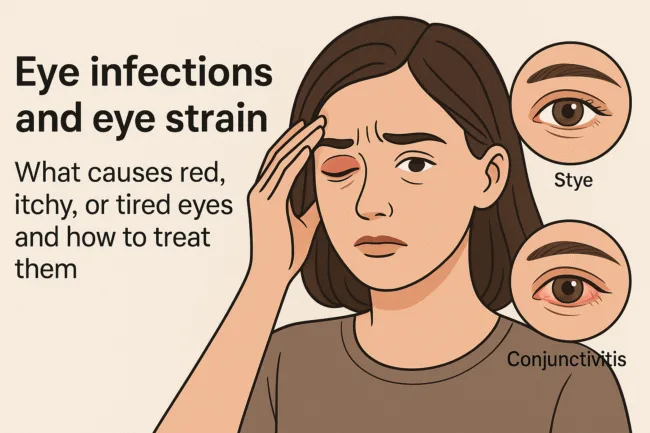
Poor hygiene, touching the eyes with unclean hands, and using expired or contaminated cosmetics can all contribute to the formation of a stye. Conditions like blepharitis, which causes chronic inflammation of the eyelids, can also make someone more prone to developing styes. Though most styes are not serious, they can be uncomfortable and interfere with vision when swelling becomes severe. The infected gland often feels tender to the touch, and blinking may aggravate the discomfort. If left untreated or if improperly handled, the infection can spread or lead to recurrent styes.
What is the best way to treat a stye at home using warm compress therapy?
The most effective home treatment for a stye is the use of warm compresses, which help promote drainage, relieve pain, and speed up healing. Soaking a clean cloth in warm water and gently pressing it against the affected eyelid for 10 to 15 minutes helps soften the blocked gland and reduce inflammation. This should be done several times a day, ideally three to four times, to ensure consistent heat application. The warmth not only opens up the clogged pores but also improves local blood circulation, helping the body’s immune system fight off the infection.
The stye will usually come to a head and drain naturally within a few days. It is important never to squeeze or pop the stye, as doing so can push bacteria deeper into the skin or spread the infection to other parts of the eyelid. Keeping the area clean, avoiding eye makeup, and switching to glasses if you normally wear contact lenses can also help prevent further irritation. If a stye does not improve within a week, becomes unusually painful, or begins to affect vision, it’s essential to consult a healthcare provider who may prescribe antibiotic ointments or drain the lesion surgically.
What are the signs of conjunctivitis and why is it such a highly contagious eye condition?
Conjunctivitis, often referred to as pinkeye, is one of the most common and highly contagious eye infections. It involves inflammation of the conjunctiva, the thin membrane that lines the inside of the eyelid and covers the white part of the eye. When this membrane becomes inflamed due to infection, allergy, or chemical irritation, the blood vessels in the eye swell and create a pink or red appearance, which gives the condition its nickname.
Conjunctivitis can be caused by viral infections, bacterial infections, allergens like pollen or pet dander, and irritants such as chlorine or air pollutants. Viral conjunctivitis often develops alongside colds or upper respiratory infections and is extremely contagious, easily spreading through hand-to-eye contact, shared towels, or contaminated surfaces. Bacterial conjunctivitis, while also contagious, often results in thicker, yellowish discharge and is more likely to affect both eyes simultaneously. Allergic conjunctivitis, on the other hand, usually affects both eyes and is associated with seasonal allergies rather than pathogens.
Typical symptoms include red and swollen eyes, excessive tearing or discharge, a gritty sensation, and crusting around the eyelids that makes it difficult to open the eyes in the morning. Because of how easily conjunctivitis spreads, it’s important to identify and isolate the cause quickly, especially in environments like schools and offices.
What are the safest ways to manage and treat conjunctivitis at home without worsening symptoms?
The management of conjunctivitis at home begins with maintaining strict hygiene to avoid spreading the infection. Washing hands thoroughly before and after touching the eyes, using clean towels, and avoiding eye makeup are crucial steps to prevent contamination. For viral conjunctivitis, supportive care is usually sufficient as the body clears the infection on its own over the course of one to two weeks. Warm compresses can help relieve swelling and discomfort, while saline rinses can help flush out irritants or discharge.
In cases of bacterial conjunctivitis, antibiotic eye drops or ointments are often prescribed. A traditional method includes using medicated ophthalmic ointment such as yellow oxide of mercury, applied to the inner edge of the eyelids. This is typically done in the morning and again before bedtime, ensuring the ointment spreads across the conjunctiva as the eyes are gently closed. Applying warm water compresses three to four times daily can also aid in clearing the infection and reducing symptoms.
Allergic conjunctivitis may respond well to antihistamine eye drops and the removal of exposure to known allergens. It is essential not to rub the eyes, as this can worsen inflammation and spread any infectious agents. If symptoms persist or worsen despite these measures, consulting an eye care professional is necessary for a more tailored treatment approach.
How does extended screen time and poor lighting lead to digital eye strain and discomfort?
Eye strain, also called asthenopia, is a widespread issue in the digital age where prolonged screen time has become the norm. This condition occurs when the eyes are overused or fatigued from focusing on a single visual task, such as reading, working on a computer, or watching television. Poor lighting conditions, excessive glare, and uncorrected vision problems further exacerbate the strain placed on eye muscles.
When staring at a screen, people tend to blink less frequently, leading to reduced moisture on the eye surface and increasing the likelihood of dryness and irritation. The combination of blue light exposure and close-up work can also cause headaches, blurred vision, and difficulty focusing. Over time, these symptoms can impair concentration and productivity, especially among students and professionals who spend several hours a day in front of digital devices.
Eye strain is also closely linked to environmental and ergonomic factors. Viewing screens at improper distances or angles, reading in dimly lit rooms, and exposing the eyes to frequent light-dark transitions can all contribute to visual fatigue. The symptoms of eye strain include tearing, scratchiness, redness, burning sensations, and a persistent feeling of tired eyes.
What are the most effective changes to reduce digital eye strain and improve eye comfort?
To reduce the risk of digital eye strain, individuals must adopt healthier visual habits and make ergonomic adjustments in their daily environments. One of the most widely recommended strategies is the 20-20-20 rule, which encourages taking a 20-second break to look at something 20 feet away every 20 minutes. This simple practice allows the eye muscles to relax and helps prevent overexertion.
Lighting is another critical factor in eye strain prevention. When reading or performing detailed work, ensure the light source comes from behind to minimize glare and prevent shadows. Harsh or dazzling light should be avoided, and screen brightness should be adjusted to match the ambient room lighting. When watching television, it’s advisable to sit at a comfortable distance—about 6 feet away—and maintain some background lighting in the room to reduce contrast stress on the eyes.
For people using computers or tablets for extended periods, adjusting screen height so it’s slightly below eye level and maintaining a distance of 20 to 24 inches can significantly improve comfort. Increasing font size, reducing screen glare with matte filters, and using artificial tears to keep the eyes moist are other practical solutions. If symptoms persist, an eye examination may reveal underlying vision problems such as myopia or astigmatism that need correction.
Why is it important to understand and address common eye infections and strain in modern health?
Eye infections like styes and conjunctivitis, along with chronic eye strain, are becoming increasingly prevalent in our fast-paced, technology-centered world. Understanding how these conditions develop, identifying early symptoms, and knowing the right steps to treat or prevent them are essential for preserving eye health. Whether the problem is caused by bacteria, viruses, allergens, or screen overuse, timely intervention can make a major difference in recovery and comfort.
In the broader context of health and physiology, these eye conditions serve as indicators of how environmental, behavioral, and microbial factors interact with the body’s sensory systems. They highlight the need for preventive eye care strategies in both public health and personal wellness. From simple home remedies to professional treatments, informed eye care practices help reduce the burden of discomfort, improve quality of life, and protect vision across all age groups.
Discover more from Business-News-Today.com
Subscribe to get the latest posts sent to your email.