


Saipem S.p.A. (BIT: SPM) and Subsea 7 S.A. (OB: SUBC) have positioned their €21 billion merger as a transformative move to create a global energy services leader capable of delivering cost-efficient offshore and onshore engineering solutions. The merged entity, to be renamed Saipem7, is expected to generate €300 million in annual synergies within three years of completion. However, rising vessel charter rates across the oilfield services market have raised questions about whether fleet optimization and procurement savings—two key drivers of these projected synergies—can withstand tightening market conditions.
The deal, signed in July 2025 and slated for completion in the second half of 2026, will integrate over 60 construction vessels, combining Saipem’s offshore engineering assets with Subsea7’s subsea installation and renewable-focused fleet. The merged group aims to unlock efficiencies through optimized vessel deployment, longer charter periods for leased units, and improved procurement terms with suppliers. Yet, institutional sentiment remains cautious, as comparable offshore service providers have reported increasing charter rates and higher vessel operating costs, which could squeeze anticipated savings.
How critical is fleet optimization to achieving Saipem7’s €300 million synergy target in the current offshore market?
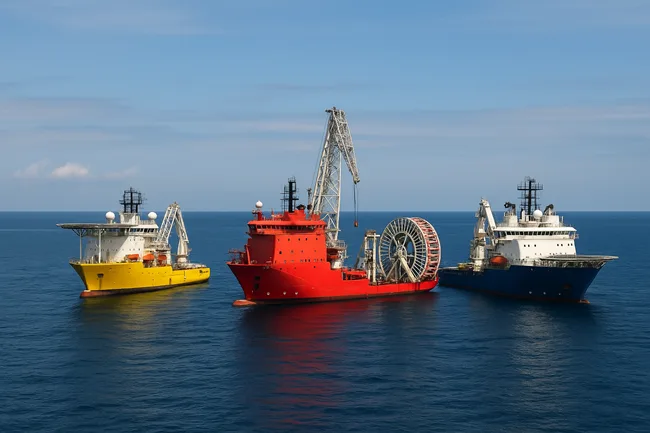
Fleet optimization is central to the €300 million synergy projection, with management expecting improved utilization rates, better geographical positioning of vessels, and reduced idle time across the combined fleet. Saipem7’s diversified vessel portfolio—spanning heavy-lift, J-lay, S-lay, and reel-lay pipeline installation units as well as cable-lay vessels for offshore wind—has been presented as a structural advantage for optimizing deployment across multiple energy segments.
However, the global oilfield services sector is experiencing rising demand for offshore construction vessels, driven by the restart of delayed deepwater oil and gas projects and the ramp-up of multi-gigawatt offshore wind installations. Industry peers such as TechnipFMC plc and McDermott International have reportedly faced increased competition for specialized vessels, leading to charter rate escalations and higher maintenance costs. If similar cost pressures impact Saipem7, the company’s ability to rotate vessels efficiently across regions to maximize utilization could be challenged, potentially diluting the projected cost savings.
Institutional investors believe that Saipem7’s success in fleet optimization will depend on securing long-term framework agreements with oil majors and renewable developers, which could ensure steady vessel utilization despite rising market rates.
Can procurement and supplier negotiations offset rising vessel charter costs for Saipem7?
Procurement efficiencies are expected to be another major driver of Saipem7’s projected synergies, with management citing the ability to leverage longer charter periods for leased vessels and improved terms with equipment suppliers. The combined purchasing power of Saipem7—backed by a €43 billion backlog—should theoretically enhance its negotiating position with lessors and equipment vendors.
Yet, indirect industry sentiment points to a tightening supply chain for high-end subsea equipment, flexible pipe systems, and cable-lay components, which could limit the scope for procurement savings. Comparable offshore service providers have noted that suppliers are increasingly passing on higher input costs, driven by inflation in raw materials and logistics, to contractors.
If vessel charter rates and equipment prices continue to rise through 2026, Saipem7 may need to absorb higher upfront costs before realizing procurement-driven savings. Analysts believe that any procurement gains will likely materialize more gradually than projected, especially in the first two years post-merger.
What lessons can be drawn from other offshore service providers’ synergy execution in volatile charter markets?
The offshore engineering sector has seen mixed results from past large-scale integrations. TechnipFMC’s post-merger synergy realization in 2017 was initially delayed due to unanticipated vessel availability constraints and a sharp rise in offshore maintenance costs. Similarly, McDermott International faced setbacks in meeting its cost synergy targets after its acquisition of CB&I, as tight vessel markets forced it to renegotiate charter contracts at higher rates.
Institutional sentiment suggests that Saipem7 could face similar risks if vessel charter markets tighten further in 2026. Analysts caution that synergy targets heavily dependent on fleet and procurement optimization are more vulnerable to macro shifts than those driven by organizational or overhead cost reductions.
However, unlike its peers, Saipem7’s balanced portfolio—spanning oil, gas, and renewables—provides a broader base to absorb cost fluctuations. If the merged entity successfully prioritizes higher-margin contracts and secures long-term project commitments, it could partially offset the impact of rising vessel costs.
Will Saipem7’s diversified backlog provide enough flexibility to protect synergy realization?
Saipem7’s €43 billion combined backlog, diversified across over 60 countries and multiple energy sectors, is being presented as a structural buffer against cost volatility. No single country contributes more than 15% to the total backlog, reducing geopolitical and market concentration risks.
Institutional investors argue that this diversification could allow Saipem7 to prioritize higher-margin regions or projects when allocating vessel resources, thereby mitigating cost pressures. For instance, contracts in stable oil and gas regions with favorable day rates could subsidize lower-margin renewable energy projects, helping maintain overall profitability even if specific segments experience cost overruns.
However, analysts also caution that long-term renewable energy contracts, particularly in offshore wind, are often priced with tight margins and fixed terms, leaving less room to pass on rising vessel charter costs to clients. This could limit Saipem7’s flexibility to fully protect its synergy realization across all business segments.
Can Saipem7 sustain its synergy guidance if charter rates remain high through 2026?
While Saipem7’s €300 million synergy target remains achievable on paper, its realization depends heavily on external market dynamics. If vessel charter rates and subsea equipment costs continue to rise through 2026, analysts expect that synergy realization could be delayed by at least 12–18 months beyond initial projections. However, strong institutional support, a diversified backlog, and the potential to secure multi-year framework agreements with energy majors could help Saipem7 partially offset these pressures.
Investors will be closely watching the company’s chartering strategy and procurement negotiations in the first year after completion. Early contract wins in oil and gas or large-scale offshore wind projects could provide confidence that Saipem7’s scale and market position are sufficient to weather the current cost inflation cycle.
Discover more from Business-News-Today.com
Subscribe to get the latest posts sent to your email.



