



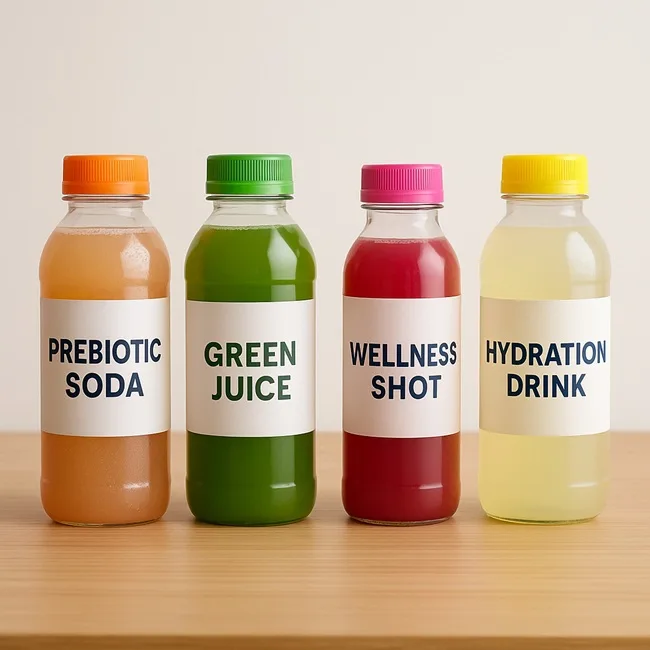
In 2025, wellness beverages are no longer an upscale niche or natural foods aisle curiosity. They have rapidly become a proving ground for clean-label innovation, product credibility, and shelf power. While big beverage conglomerates race to reformulate legacy offerings and secure functional health claims, a parallel wave of startups is capturing shelf space by appealing directly to what health-conscious consumers want: transparency, function, and flavor.
The rapid rise of clean-label expectations—where fewer ingredients, no artificial additives, and ethical sourcing define brand loyalty—is reshaping not just what drinks are made of, but how they are sold, stocked, and consumed. At the center of this transformation is the question: which brands are winning the shelf wars in 2025, and how are they doing it?
Why is clean-label now the defining battleground for functional and wellness beverage players?
The rise of clean-label demand is no longer confined to elite health circles. According to 2025 data from the Innova Trends Survey, clean label tops the list of factors driving new beverage innovation. Nearly half of global consumers now scan packaging to avoid preservatives, emulsifiers, and opaque “natural flavors.” Clean-label, once a selling point, has become a baseline requirement—particularly in functional beverage categories where ingredient integrity must match the health promises being made.
Industry research further supports this. Functional beverages—those marketed for immunity, gut health, energy, hydration, and mood—are expected to cross USD 439 billion globally by 2034, expanding at a compound annual growth rate exceeding 6 percent. Wellness beverage subsets, including tonics, shots, and prebiotic sodas, are fueling much of that growth. In a market moving at this pace, product developers and marketers are being forced to rethink flavor delivery systems, sweeteners, emulsifiers, and even label typography in order to meet clean-label expectations without compromising taste or scalability.
In today’s beverage landscape, clean-label is not a single claim but a constellation of attributes: short ingredient lists, no synthetic additives, natural sourcing, non-GMO validation, sustainable supply chains, and clearly traceable provenance. Consumers are increasingly vocal about brands that hide behind proprietary blends or convoluted formulations. In this environment, even high-growth functional drinks are being scrutinized for artificial masking agents, undisclosed flavoring systems, and questionable claims. The margin for error—or inauthenticity—is shrinking fast.
What is driving the massive growth of the wellness and functional drinks sector in 2025?
The momentum behind wellness drinks is being sustained by both macro and micro trends. At the macro level, pandemic-era health awareness has not faded. Instead, it has matured into long-term consumer behavior. Gut health, immunity, clean hydration, adaptogenic support, and energy management are now daily considerations for many consumers, especially among millennials and Gen Z.
On the micro side, wellness drinks benefit from lifestyle convergence. They are now expected to serve as pre-workout hydration, stress support at the office, immunity shields during travel, or even healthy social alternatives to alcohol. This multifunctionality expands the occasions for consumption far beyond traditional juice or soda use cases.
Global data reflects this boom. The wellness beverage market—defined broadly to include health-positioned waters, shots, botanical tonics, and low-sugar juices—is expected to surpass USD 213 billion in annual revenues by year-end 2025. Functional sodas, in particular, are carving out measurable share from legacy carbonated drinks, thanks to demand for prebiotics, adaptogens, and natural caffeine.
But with this growth comes saturation. As more players enter the field, the ability to demonstrate clean-label leadership—and back it up with transparent formulation—is what separates shelf winners from also-rans.
Which clean-label wellness beverage brands are currently dominating retail shelf space?
In 2025, one of the clearest signals of momentum is PepsiCo’s completed acquisition of Poppi, a prebiotic soda startup valued at nearly USD 2 billion. Poppi’s appeal lies not only in its gut health formulation and vibrant flavor profile, but in its short, transparent ingredient list and clear avoidance of synthetic additives. Its brand voice and digital-native engagement model also made it a prime candidate for rapid shelf expansion—and corporate acquisition.
Bloom Nutrition is another disruptor now expanding fast. After dominating the supplement space, it has extended into beverages with Bloom Pop, a gut-health soda line now entering over 3,000 Walmart locations. Each can contains minimal sugar, no artificial ingredients, and science-backed prebiotics. Bloom’s crossover from supplement to beverage shelf reflects a broader convergence happening in wellness CPG, where brands leverage clean-label credibility to cross verticals.
Legacy players are not blind to this shift. Coca-Cola launched Simply Pop in 2025, a prebiotic soda under its Simply brand, in an attempt to claw back relevance in the better-for-you soda category. The formulation leans heavily on real fruit juice and transparent prebiotic claims, reflecting Coca-Cola’s recognition that clean-label cues are now critical even for household brands.
Just Made, a minority- and woman-owned B-Corp based in Houston, offers another compelling example. At the 2025 IFPA show, it unveiled 21 new products spanning categories from clean-label Margarita Mixes to hydration-focused Refreshers and no-sugar-added Smoothie Bowls. The brand’s commitment to clean, traceable ingredients and its give-back program to source communities have helped it secure shelf partnerships in both natural and mass grocery.
For all these brands, clean label is more than a claim—it is a strategic retail advantage. Whether through reduced ingredient count, sourcing transparency, or processing disclosure, they offer grocers a story consumers trust.
How are these brands executing to win shelf placement—and what challenges do they face?
Gaining shelf space in today’s competitive beverage environment demands far more than a trendy flavor. Retailers are increasingly vetting brands based on pricing discipline, supply chain reliability, and narrative clarity. Clean-label products that lack consistent sourcing or transparency often fail to maintain velocity beyond initial launch.
Brands that perform well tend to invest in direct-to-consumer channels or subscription models first, using consumer reviews and sampling to build grassroots buzz. Once product-market fit is validated, they negotiate premium placement in wellness, functional, or grab-and-go zones within retail environments. Being slotted next to kombucha, functional shots, or plant-based drinks—not legacy sodas—is often part of the brand’s growth roadmap.
Ingredient sourcing remains a key barrier to scale. While consumers demand real ginger, turmeric, tart cherry, and electrolytes, these ingredients can pose formulation challenges in terms of shelf stability, taste masking, and cost per unit. Many brands are now leveraging low-temperature processing, fermentation, or proprietary emulsification to maintain efficacy without compromising clean-label status.
Consumer education is another critical lever. Wellness claims such as “prebiotic,” “adaptogenic,” or “plant-based hydration” still require explanation at shelf level. Without proper signage, QR-linked storytelling, or shelf talkers, even the best product can underperform due to unfamiliar terminology.
Finally, regulatory risk looms larger. As the market crowds and consumer health claims become more aggressive, agencies are watching closely. Several U.S. and European brands have faced legal pushback in recent quarters over exaggerated or poorly substantiated wellness claims. Clean-label alone is no shield if the functional benefits are overstated.
What does the future hold for clean-label wellness beverages beyond 2025?
Looking ahead, the clean-label wellness beverage segment is likely to continue evolving on three parallel tracks: formulation innovation, category crossover, and supply chain transparency. Brands that can combine all three with margin discipline will dominate.
In terms of formulation, expect increased use of biotech-driven ingredients—such as precision-fermented botanicals, natural flavor boosters, and algae-based nutrients. These technologies may help deliver clean-label function with scalability.
On the category side, convergence is already visible. Brands that began in beverage are moving into powders, snack bars, or supplements. Conversely, supplement companies like Bloom are entering beverages. This crossover builds brand ecosystems rather than single-use SKUs.
Transparency will move from static labels to digital traceability. Blockchain, QR codes, and API-linked sourcing maps may become common across packaging, allowing consumers to scan and verify origins, nutritional validation, and sustainability credentials.
Whether through acquisition by food majors or long-term independent growth, today’s clean-label beverage disruptors are forcing the industry to evolve. They are not only winning shelf space but reshaping consumer expectations for what a drink should deliver—and disclose.
Discover more from Business-News-Today.com
Subscribe to get the latest posts sent to your email.