Saudi Aramco has officially acquired an additional 22.5% equity stake in Rabigh Refining and Petrochemical Company (Petro Rabigh) for approximately $702 million, raising its total ownership to nearly 60%. With this strategic move, the state-owned energy major becomes the largest shareholder in Petro Rabigh, ahead of its long-time partner Sumitomo Chemical Corporation, which now retains only a 15% stake. The transaction forms part of a broader multi-billion-dollar plan to stabilize the joint venture and reposition it for long-term profitability within the Kingdom’s downstream sector.
This is not just an equity reshuffle. Aramco and Sumitomo Chemical have also agreed to inject a combined $1.4 billion in fresh capital and waive $1.5 billion in shareholder loans, effectively restructuring Petro Rabigh’s fragile balance sheet. As Aramco pursues tighter integration between its upstream and downstream assets, the deal underscores the growing importance of high-margin petrochemical output, financial resilience, and asset reliability within its global strategy.
Why did Aramco increase its stake in Petro Rabigh and what’s the broader strategic rationale?
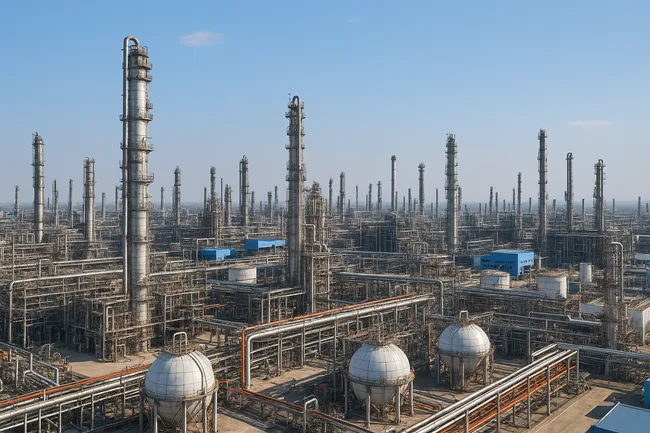
The acquisition aligns with Aramco’s long-standing downstream diversification program, which aims to convert more of its upstream hydrocarbons into refined and specialty chemical products. By becoming the majority owner of Petro Rabigh—a 400,000-barrels-per-day refining and petrochemical complex located on Saudi Arabia’s west coast—Aramco tightens control over a critical value chain asset that has struggled to remain profitable in recent years.
Petro Rabigh, established in 2005 as a joint venture between Aramco and Japan-based Sumitomo Chemical, has seen its fortunes erode in a volatile petrochemical pricing environment. The integrated complex produces a mix of refined fuels and chemical derivatives such as ethylene, propylene, polyethylene, and monoethylene glycol. But amid macroeconomic pressures, subdued global demand, and high debt levels, the asset has been underperforming. In this context, Aramco’s deeper commitment is both a financial rescue and a structural transformation effort.
Aramco Senior Vice President of Fuels, Hussain A. Al Qahtani, stated that Petro Rabigh remains a “key player in the Kingdom’s downstream sector” and the added investment “reflects strong belief in its long-term prospects.” He further emphasized the potential for deeper integration to enhance product mix, operational efficiency, and reliability.
What financial mechanisms were included in the Petro Rabigh restructuring plan?
The $702 million share purchase—priced at SAR 7 per share—was first announced in August 2024 and has now reached completion after receiving regulatory and third-party approvals. Aramco’s equity stake rises from 37.5% to approximately 60%, while Sumitomo’s drops from 37.5% to 15%. The remaining 25% remains publicly traded on the Saudi Exchange, where Petro Rabigh has been listed since 2008.
However, the most significant element of the transaction lies in the layered financial engineering designed to repair Petro Rabigh’s deteriorating capital structure. The total $1.4 billion capital injection, split equally between Aramco and Sumitomo, will be channeled through the issuance of Class B shares—an instrument that allows for equity infusion without diluting voting rights of minority shareholders. This innovative structure helps maintain governance continuity while enabling critical liquidity support.
Additionally, both Aramco and Sumitomo have waived $750 million each in existing shareholder loans—completed in two tranches in August 2024 and January 2025. This waiver eliminates $1.5 billion in liabilities from Petro Rabigh’s books, significantly reducing its leverage and improving its debt-to-equity ratio.
According to institutional observers, the capital restructuring could unlock new credit lines for Petro Rabigh while allowing it to prioritize strategic upgrades over interest servicing in the near term.
What operational upgrades are expected at Petro Rabigh and how will they impact performance?
As part of the transformation plan, Aramco has committed to supporting targeted upgrades at Petro Rabigh that focus on enhancing product yields, boosting asset reliability, and optimizing energy efficiency. These upgrades are expected to improve margins by increasing the production share of high-value chemicals and reducing downtime at the complex.
While no specific capital expenditure timeline has been disclosed, industry insiders anticipate significant investment in digitalization, maintenance modernization, and possibly new specialty chemical units—particularly given Sumitomo’s broader pivot toward specialty over commodity chemicals. This transition will be essential for Petro Rabigh to navigate thin margins in bulk petrochemicals and unlock greater value from its integrated platform.
Institutional investors view Aramco’s increased oversight as a potential catalyst for unlocking operational synergies across its refining and chemical portfolio. However, several risks remain—including volatility in crude oil and naphtha feedstock prices, cyclical swings in global chemical demand, and execution delays on turnaround efforts.
How are institutional investors and market participants interpreting Aramco’s expanded control of Petro Rabigh after the $702 million acquisition?
Market sentiment around Petro Rabigh has been cautiously optimistic. Following the announcement of Aramco’s additional stake and the broader restructuring plan, Petro Rabigh’s shares have seen periods of upward movement, driven by expectations of long-term viability, debt relief, and state-backed support.
Institutional investors appear to interpret the transaction as a stabilizing move that could de-risk one of Aramco’s largest downstream bets. However, analysts remain concerned about whether the operational gains and asset upgrades will translate into sustainable net profitability. Petro Rabigh reported accumulated losses of SAR 12.4 billion between 2022 and mid-2025, and a clean turnaround will require more than just capital infusion—it demands fundamental changes in operating philosophy, market exposure, and product innovation.
From a capital markets standpoint, Aramco’s move is being seen as a reaffirmation of its broader downstream ambitions, especially at a time when global peers are cautiously pulling back from refining investments due to ESG constraints and narrowing margins.
How does this deal fit into Aramco’s downstream strategy and future expansion priorities?
The Petro Rabigh transaction is part of Aramco’s wider downstream push, which includes investments in refining, petrochemicals, and advanced materials across key global markets. This includes its SABIC integration, its stake in India’s Ratnagiri refinery project, and partnerships in South Korea and China. The objective is clear: secure long-term demand for Saudi crude by embedding it into high-margin, value-added product streams.
With Petro Rabigh now under majority control, Aramco gains not just operational leverage but strategic visibility over one of its most important refining and chemical complexes within the Kingdom. This control also enables greater alignment with Vision 2030 goals to diversify the economy, deepen industrial supply chains, and attract downstream investment.
While challenges around execution and market cycles persist, the path forward for Petro Rabigh now has more clarity—with Aramco not only holding the reins but also infusing the horsepower to attempt a full-fledged turnaround.
Discover more from Business-News-Today.com
Subscribe to get the latest posts sent to your email.