Norwegian state-owned energy major Equinor has signed an agreement to acquire the UK upstream oil and gas assets of Canada’s Suncor Energy for $850 million, in a move aimed at strengthening its North Sea footprint and deepening control over one of the basin’s last major undeveloped projects. The deal will give Equinor greater equity in the producing Buzzard field and expand its operated stake in the Rosebank development, which is central to its ambitions for long-term oil output in the UK Continental Shelf (UKCS).
Equinor UK, the local subsidiary handling the transaction, expects to add approximately 15,000 barrels of oil equivalent per day (boepd) to its equity production in 2023 through the transaction. Beyond short-term volumes, the strategic value of the deal lies in enhancing Equinor’s operational influence over Rosebank—an asset that could hold up to 300 million recoverable barrels of oil and gas.
What UK assets are being acquired by Equinor from Suncor Energy in the $850 million deal?
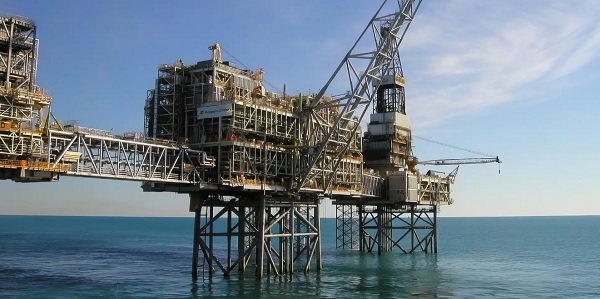
The transaction involves Equinor purchasing Suncor Energy’s 29.89% non-operated interest in the Buzzard field, currently operated by CNOOC International. Buzzard is a mature but still productive asset in the UK North Sea, generating around 60,000 boepd across its four fixed platforms and three subsea manifolds. Though production has declined from peak levels in previous years, it remains a material contributor to UK oil output.
More importantly, Equinor is acquiring an additional 40% operated interest in the Rosebank oil and gas field, bringing its total stake to 80%, pending regulatory clearance. Suncor’s entire equity share in Rosebank is being divested as part of the deal. The third partner in the project, Ithaca Energy, retains a 20% interest.
As part of the acquisition, Equinor will also onboard UK-based employees from Suncor Energy who are directly involved with the operations of these assets, ensuring workforce continuity and operational integration.
Why does Equinor see strategic value in expanding its operated stake in Rosebank?
Rosebank is considered one of the most significant undeveloped oil fields in the UK Continental Shelf. Located around 130 kilometers west of the Shetland Islands in deep waters, Rosebank sits in a frontier area with challenging weather and infrastructure conditions—but also with large resource potential.
According to Equinor, the project holds approximately 300 million barrels of recoverable resources and has undergone recent design revisions to reduce its expected carbon emissions footprint. The development is central to the Norwegian energy producer’s North Sea strategy, where it seeks to balance traditional oil and gas development with lower-carbon practices.
By increasing its operated interest to 80%, Equinor not only consolidates control but also gains more strategic freedom over field development plans, project timelines, emissions mitigation technologies, and commercial structuring. This is particularly significant given the increasing regulatory scrutiny of new oil and gas developments in UK waters, especially those located west of Shetland.
Philippe Mathieu, executive vice president for Equinor’s Exploration and Production International segment, emphasized this point, stating that the transaction aligns with the company’s strategy of optimizing its oil and gas portfolio while deepening its position in core geographies like the UK.
“We are building on our longstanding position as a broad energy partner to the UK,” Mathieu noted, “strengthening our role as a reliable energy provider in Europe while continuing to deliver on our ambition of becoming a net-zero company.”
How does this deal impact Equinor’s UK energy presence and production mix?
In 2022, Equinor reportedly supplied around 29% of the United Kingdom’s total natural gas demand—largely through long-term gas contracts and volumes sourced from Norwegian continental shelf fields such as Troll, Ormen Lange, and Oseberg. While Equinor’s gas presence has historically been dominant, this acquisition reasserts the group’s interest in UK oil production as well.
By acquiring producing assets like Buzzard and development-ready ones like Rosebank, Equinor is reshaping its UK portfolio to maintain relevance in both liquids and gas. The move also signals that despite the growing global pivot toward energy transition, the North Sea remains commercially viable—especially when paired with carbon intensity reduction techniques.
The Norwegian energy giant has invested heavily in carbon capture and storage (CCS), low-emissions platform designs, and electrification of offshore assets in both Norwegian and UK waters. The Rosebank field is expected to benefit from some of these technologies, according to pre-development planning materials released prior to the deal.
What are the regulatory and market implications of Equinor’s acquisition of Suncor’s UK assets?
The $850 million transaction is subject to regulatory approvals and standard closing conditions. While no specific timeline has been disclosed, the deal is expected to clear during 2023, assuming no major objections from the UK government or competition authorities.
In recent years, the UK government has placed an increasing emphasis on balancing energy security with decarbonization. With geopolitical tensions across Europe placing pressure on gas markets—and crude oil playing a role in budget stability—projects like Rosebank have come under the spotlight for their dual role in energy resilience and emissions accountability.
Environmental groups have raised concerns in recent months about potential new field developments in the UK Continental Shelf. However, Equinor has sought to counterbalance criticism by focusing on design improvements for Rosebank aimed at lowering lifecycle emissions.
Market analysts commenting on the transaction in early March noted that the deal positions Equinor to benefit from high-margin oil production in an area where it already has operating familiarity. The acquisition cost of $850 million was described by some institutional voices as “competitive,” given the current price environment and resource base being acquired.
How does this acquisition reflect wider trends in North Sea energy consolidation?
Equinor’s move is part of a broader wave of portfolio reshaping and consolidation in the North Sea. Larger international energy producers have been selectively divesting non-core assets in the basin, while others with a long-term operating vision—particularly those investing in carbon mitigation—have been acquiring or increasing their exposure.
Suncor Energy, the Canadian oil sands specialist, has in recent quarters been streamlining its international footprint, focusing more on core assets in North America. The sale of its UK holdings reflects this geographic narrowing and comes amid shareholder pressure to improve capital efficiency.
For Equinor, the Rosebank acquisition also sends a signal that the North Sea still offers scalable upstream opportunities, even as capital shifts toward renewables and low-carbon solutions. Equinor itself has active offshore wind projects in UK waters, including Dogger Bank, and is developing hydrogen and CCS infrastructure on both sides of the North Sea.
What does Equinor’s $850 million UK asset purchase signal about its future energy strategy?
Equinor’s acquisition of Suncor Energy’s UK assets is more than a straightforward oil and gas transaction. It reflects the Norwegian energy producer’s conviction that large-scale, technically complex, but emissions-conscious upstream projects can coexist with net-zero ambitions. By securing near-term production through Buzzard and long-term optionality through Rosebank, Equinor strengthens its dual-track strategy of delivering secure energy to Europe while greening its asset base.
The move reinforces the idea that while the global energy transition is accelerating, certain legacy basins—when redeveloped with modern technology—can remain essential to supply security and economic value. For the UK North Sea, the deal also signals continued interest from experienced operators, even amid regulatory scrutiny and environmental debates.
As Equinor awaits regulatory clearance, all eyes will be on how quickly it can finalize plans to bring Rosebank into development and whether the field will become a flagship for low-emission upstream activity in UK waters. Until then, the $850 million acquisition cements Equinor’s role as one of the most strategically positioned players in the evolving North Sea energy landscape.
Discover more from Business-News-Today.com
Subscribe to get the latest posts sent to your email.