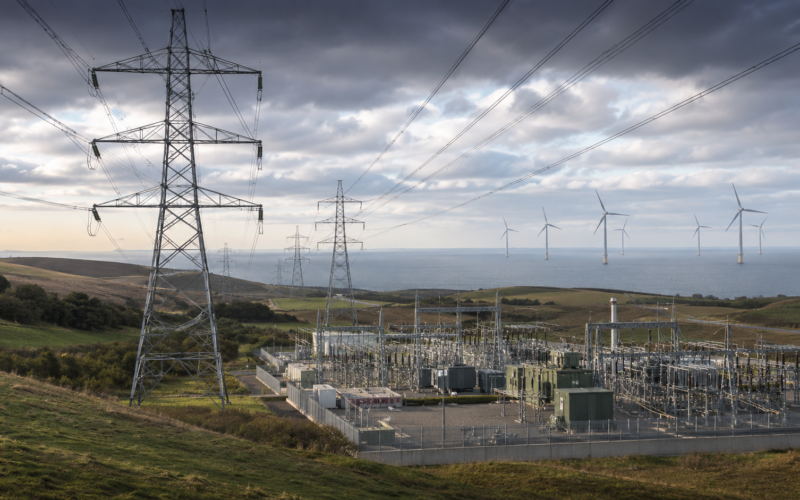
Cuba restored much of its national electricity grid on July 7, 2026, after a nationwide blackout left large parts of the island without power, but the recovery remained fragile as generation still fell far short of demand and millions of residents continued facing outages. The latest collapse was the third nationwide blackout in 2026 and another sign that Cuba’s energy system is struggling to function under fuel scarcity, ageing infrastructure and a deepening economic crisis.
Cuba’s state electricity company said the National Electric System collapsed on July 6, triggering emergency restoration efforts across the island. Power had returned to many areas between Pinar del Rio and Holguin by July 7, but Santiago de Cuba and parts of Havana continued experiencing service gaps, while authorities were still unable to meet even one third of national electricity demand.
The blackout affected nearly 10 million people and disrupted cooking, transport, communications, water access, food storage and medical services. Hospitals and food production were prioritised during restoration, but ordinary households again faced the practical burden of a grid that can collapse completely and then return unevenly over several days.
The crisis has also reopened the political dispute between Havana and Washington. Cuban President Miguel Díaz-Canel blamed United States pressure and fuel restrictions for worsening shortages, while United States officials have argued that Cuba’s government is responsible for the country’s deteriorating living conditions. The competing narratives do not change the immediate reality for Cuban residents: the power system remains structurally short of fuel, spare parts and reliable generating capacity.
Why did Cuba’s national power grid collapse again during the July 6 blackout?
Cuba’s blackout was not a sudden failure inside an otherwise stable system. It occurred after months of severe power shortages, prolonged daily outages and repeated grid instability caused by a shortage of fuel and the deterioration of old thermal power plants. The state grid collapsed when generation and system stability could no longer be maintained across the island.
Electricity grids require a constant balance between supply and demand. When generation falls too far below consumption, frequency instability and cascading disconnections can cause wider system failure. In Cuba’s case, the margin for error has become extremely small because fuel scarcity has reduced output from plants that were already operating with ageing equipment.
The shortage is visible in the scale of unmet demand. Reuters reported that Cuba was struggling to meet even one third of its energy demand after restoration began, while earlier reporting during the outage showed Havana receiving only a tiny fraction of required supply during the initial recovery period. That means the problem was not only reconnecting transmission lines, but also producing enough power to keep the system operating after reconnection.
Cuba’s crisis has become self-reinforcing. When the grid collapses, restoration requires carefully reconnecting regions, power plants and priority users without overloading the system again. If generation remains weak, authorities may restore service only to impose rolling blackouts almost immediately, leaving residents technically reconnected but still without dependable electricity.
How are fuel shortages and ageing power plants pushing Cuba towards repeated blackouts?
Cuba’s electricity system depends heavily on oil-fired generation and ageing thermal plants. Many plants require maintenance, spare parts and imported fuel that Cuba has struggled to obtain consistently. Domestic oil production supplies only part of the country’s needs, while imported fuel has become harder to secure because of financing constraints, supplier pressure and geopolitical restrictions.
The island briefly received relief from Russian fuel shipments earlier in 2026, but that support did not create a sustained solution. AP reported that a Russian tanker delivered 730,000 barrels of oil in March, but reserves were depleted by April, leaving the country again exposed to shortages.
Ageing power stations add a second layer of vulnerability. Old thermal plants can fail unexpectedly, operate below nameplate capacity or require shutdowns for repairs that the system cannot absorb. When several units are offline and fuel supplies are limited, the grid loses both physical generating capacity and operational flexibility.
The outcome is a system that can appear partially restored while remaining unstable. Residents may receive power for a few hours, lose it again, and then wait through another restoration cycle. Businesses cannot plan production, hospitals need backup generation, households cannot reliably refrigerate food, and transport systems become harder to operate.
Cuba’s power crisis is therefore not simply an electricity-management problem. It is a national infrastructure crisis tied to fuel access, foreign exchange shortages, industrial decay and the government’s limited ability to finance rapid repairs or new generation.
Why does the United States sanctions dispute matter to Cuba’s electricity emergency?
Cuba’s government argues that United States sanctions and fuel restrictions have directly worsened the energy emergency by limiting access to oil, finance, replacement parts and shipping services. Havana has described the restrictions as an external blockade that prevents the country from stabilising power generation and meeting basic needs.
United States officials have maintained a different position, arguing that Cuba’s political and economic system is responsible for the island’s hardship. Washington has used sanctions pressure to demand political change, while Cuban authorities say the measures punish ordinary residents and make recovery more difficult.
For the electricity system, the dispute matters because modern power grids require continuous access to finance, technology, spare parts, fuel cargoes and international suppliers. Even when a transaction is technically permitted, banks, insurers, shipping companies and traders may avoid Cuba because of compliance risk, payment uncertainty or fear of secondary consequences.
This does not mean Cuba’s internal decisions are irrelevant. Poor maintenance, limited investment, weak economic productivity and centralised planning have all contributed to the system’s fragility. But sanctions and fuel pressure have narrowed the options available to authorities at the exact moment when the grid requires expensive imports and rapid upgrades.
The result is a policy stalemate with human consequences. Havana and Washington blame each other, while Cuban households remain exposed to heat, darkness, spoiled food, reduced transport and disrupted medical care.
How is the blackout affecting Cuban households, hospitals and everyday life?
For Cuban residents, a nationwide blackout is not only a power-sector event. It interrupts the basic systems that make daily life possible. Without electricity, many homes cannot refrigerate food, pump water, charge phones, use fans, cook with electric appliances or maintain communication during an emergency.
The hardship is especially severe during hot weather. Families may spend nights without fans or refrigeration, while elderly people, children and people with medical conditions face greater health risks. Even when power returns, uncertainty over the next outage changes how households shop, cook and store supplies.
Hospitals and clinics face higher stakes. Essential services may rely on backup systems, but fuel shortages also affect generators. AP reported that medical procedures have been cancelled during the broader crisis, showing how electricity shortages can quickly become a public health problem rather than a utility inconvenience.
Businesses face similar constraints. Shops lose refrigerated inventory, restaurants cannot operate normally, factories reduce shifts and transport systems face fuel and electricity disruptions. For an economy already weakened by inflation, shortages and reduced tourism, each blackout makes recovery harder.
The psychological effect is also important. Repeated nationwide collapses create a sense of exhaustion and helplessness. When residents cannot trust the grid to last through the night, confidence in public institutions and economic planning weakens further.
Why has Cuba suffered repeated nationwide blackouts since 2025 and 2026?
Cuba has experienced a series of major grid failures since late 2025, with Reuters reporting that the July outage was the eighth since October 2025 and the third nationwide blackout in 2026. That frequency shows that the island is dealing with chronic system instability rather than an isolated technical incident.
Repeated blackouts usually indicate that the underlying causes have not been resolved. Emergency restoration can bring lights back temporarily, but it does not create new fuel supply, replace damaged turbines or rebuild transmission resilience. Each collapse can also damage equipment further, making the next recovery more difficult.
The pattern matters politically because blackouts have historically triggered public anger in Cuba. Power shortages in 2024 and 2026 were linked to protests in several areas, and prolonged outages can quickly become a symbol of broader dissatisfaction involving food prices, medicine shortages, low wages and limited economic opportunity.
The Cuban government has tried to manage demand, prioritise essential services and restore power in stages. Those measures can reduce immediate damage but cannot replace structural investment. Unless generation increases and plant reliability improves, the island will remain vulnerable to another full or partial grid collapse.
That makes the July 7 restoration only a temporary achievement. The more important test is whether Cuba can keep the system stable during peak demand, fuel shortages and plant maintenance cycles in the weeks ahead.
What does Cuba’s grid crisis reveal about the country’s wider economic vulnerability?
The blackout is a visible symptom of a deeper economic crisis. Electricity is connected to nearly every part of national life: food distribution, hospitals, schools, tourism, industrial production, communications and water systems. When the power system fails, the weaknesses of the wider economy become harder to conceal.
Cuba lacks the financial reserves needed for a rapid infrastructure overhaul. Tourism, once a major source of foreign exchange, has not recovered strongly enough to relieve pressure on imports. Fuel purchases require hard currency, while spare parts and new generating equipment compete with food, medicine and other essential imports.
The crisis also highlights the cost of dependence on a narrow set of external suppliers. When fuel support from friendly governments declines or becomes irregular, Cuba has limited flexibility. Domestic production cannot cover the full requirement, and international purchases are constrained by sanctions, credit conditions and shipping risk.
Power shortages then feed back into the economy. Factories produce less, services weaken, private businesses lose income and public frustration grows. The state may need to spend scarce resources on emergency imports or repairs rather than long-term modernisation.
Cuba’s energy emergency is therefore both a cause and consequence of national economic fragility. The country needs a stronger grid to support recovery, but it needs economic recovery to finance a stronger grid.
Can Cuba stabilise its power system without a major foreign energy lifeline?
Short-term stabilisation would require fuel, replacement parts, emergency repairs and careful demand management. Cuba can restore service in phases and prioritise hospitals, food production and water systems, but those measures cannot fully close the generation gap.
A larger solution would require sustained foreign support or investment. That could include oil shipments, credit lines, spare parts, power-plant rehabilitation, renewable-energy projects and grid modernisation. Without external financing, the scale of Cuba’s infrastructure problem may exceed what the state can manage alone.
Renewable energy can help over time, particularly solar power in a country with strong sunlight. However, large-scale renewable deployment requires panels, batteries, inverters, grid upgrades and financing. Solar power also cannot immediately replace the baseload and system-stability role currently expected from thermal plants unless storage and grid management improve.
Fuel diversification could reduce risk, but Cuba’s options are limited by cost and logistics. Imported liquefied natural gas would require infrastructure. More oil imports require money and willing suppliers. Diesel generation can be useful in emergencies but is expensive and fuel intensive.
The most realistic path combines emergency fuel access, targeted repair of major plants, expansion of distributed renewable generation and improved demand management. Even that approach would take time and require a more stable financing environment than Cuba currently possesses.
What should observers watch after Cuba’s July 7 grid restoration?
The first indicator is whether restored areas remain connected for more than a few hours at a time. A grid that returns in the morning but sheds load by evening is still operating in emergency mode.
The second issue is the national generation deficit. If Cuba continues producing only a fraction of required electricity, rolling blackouts will remain unavoidable even after the formal national grid is restored.
The third issue is fuel supply. New shipments from Russia, Venezuela, Mexico or other sources could temporarily reduce pressure, while further shortages would increase the risk of another collapse.
The fourth issue is public reaction. Prolonged outages can produce protests, especially when electricity shortages coincide with food scarcity, transport problems and heat.
The fifth issue is diplomatic pressure. Havana is likely to intensify criticism of United States sanctions, while Washington may continue arguing that Cuba’s domestic governance is the central cause of hardship.
The sixth issue is whether Cuba announces a credible repair and investment schedule for major power plants. Without transparent technical progress, each restored blackout may simply become the prelude to the next collapse.
What are the key takeaways from Cuba’s July 2026 nationwide blackout?
- Cuba restored much of its national electricity grid on July 7, 2026, after a nationwide blackout on July 6, but millions of people continued facing outages because generation remained far below national demand.
- The blackout was Cuba’s third nationwide power collapse in 2026 and part of a longer pattern of repeated grid failures since late 2025, showing that the country’s electricity crisis is structural rather than temporary.
- Cuba’s power system is under pressure from fuel shortages, ageing thermal plants, limited spare parts, weak foreign exchange access and an economic crisis that restricts the government’s ability to finance rapid repairs.
- Hospitals, food production and essential services were prioritised during restoration, but ordinary households continued facing disruption to cooking, refrigeration, communications, water access, transport and daily economic activity.
- Cuban President Miguel Díaz-Canel blamed United States pressure and fuel restrictions for worsening the crisis, while United States officials have argued that Cuba’s government is responsible for the country’s deteriorating conditions.
- AP reported that Cuba’s domestic fuel production covers only part of national needs, while a temporary Russian oil shipment earlier in 2026 provided only short-lived relief before reserves again weakened.
- The blackout highlights Cuba’s broader economic vulnerability because electricity shortages reduce industrial output, damage small businesses, disrupt tourism and deepen public frustration over food, medicine and transport shortages.
- A durable recovery would require reliable fuel supply, plant repairs, spare parts, financing, renewable-energy expansion and grid modernisation, while emergency restoration alone cannot prevent another nationwide collapse.
Share this:
Discover more from Business-News-Today.com
Subscribe to get the latest posts sent to your email.