

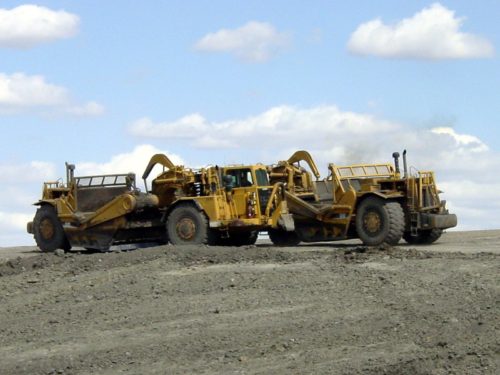
Regis Resources Limited (ASX: RRL) closed Friday’s ASX session up 1.61 per cent at A$6.94, supported by ongoing positive sentiment around the company’s record-breaking Q3 FY2026 quarterly cash and bullion balance of A$1.128 billion and the broader gold price tailwind from the 2026 Iran war. The Western Australian gold producer reported group gold production of 90,600 ounces for the March 2026 quarter, with Duketon and the 30 per cent Tropicana joint venture stake both contributing to the strong cash build. The next confirmed catalyst is the Q4 FY2026 quarterly report expected in late July 2026, with the FY2026 full-year result following in August. For ASX retail investors entering the weekend, Friday’s close caps a week where Regis Resources shares have benefited from the rebound in ASX 200 materials following the broader March sell-off, with gold names continuing to find buyers as geopolitical tensions in the Middle East support safe-haven demand.
What does Regis Resources do and why is the Duketon and Tropicana asset base differentiated against ASX gold peers?
Regis Resources Limited is an Australia-based gold producer and explorer, headquartered at 516 Hay Street in Subiaco, Western Australia. The company operates through three segments: Duketon North (DNO), Duketon South (DSO), and Tropicana. The DNO segment consists of Moolart Well, Gloster, Anchor, Dogbolter-Coopers, and Petra mining areas. The DSO segment consists of Garden Well, Rosemont, Rosemont Underground, Erlistoun, Tooheys Well, and Baneygo. The Tropicana segment is operated by joint venture partner AngloGold Ashanti Australia Limited, with Regis Resources holding the 30 per cent non-operating interest. The company also holds the McPhillamys Gold Project in Central Western New South Wales, approximately 250 kilometres west of Sydney.
The differentiation against ASX gold peers like Northern Star Resources, Evolution Mining, and Newmont’s ASX-listed CDIs sits in the asset structure. Duketon is a 100 per cent-owned, multi-mine production hub located in the North Eastern Goldfields approximately 130 kilometres north of Laverton, Western Australia. The mine network provides operational flexibility and reserve replenishment optionality through ongoing exploration and development across multiple deposits. The Tropicana joint venture stake provides exposure to a Tier-1 gold mine operated by AngloGold Ashanti without requiring the operating cost or operational risk of running it directly. The combination delivers diversified production across two distinct geological districts within Western Australia.
The risk inside the asset base concentration is geographic. All three operating assets sit within Western Australia, which removes country and currency diversification from the production base. Western Australian labour costs, regulatory frameworks, and infrastructure dependencies all flow directly through to operating costs. The McPhillamys project in New South Wales has been progressing through multi-year permitting challenges, and any further delays in McPhillamys development extend the timeline for Regis Resources to add a fourth production hub to the portfolio.
Why are Regis Resources shares climbing into the weekend and what is driving the Iran war gold premium thesis?
Friday’s 1.61 per cent close reflects continued accumulation around the strong Q3 FY2026 cash build and the supportive gold price environment. Regis Resources reported group gold production of 90,600 ounces for the March 2026 quarter and a quarterly cash and bullion balance of A$1.128 billion, indicating significant free cash flow generation against the company’s unhedged gold sale position. The 12-month total return on the ASX line sits at 56.7 per cent, comfortably outpacing the S&P/ASX 200 benchmark return of 6.4 per cent over the same period. The five-year total return reads 215.5 per cent, indicating sustained share price appreciation through the multi-year gold cycle.
The macro overlay matters substantially. The 2026 Iran war has been a meaningful tailwind for gold safe-haven demand, with elevated oil prices and Middle East geopolitical risk feeding both inflation expectations and central bank gold buying. ASX gold shares tumbled 10.1 per cent over the March 2026 quarter as a broader commodities sell-off hit the sector, but materials have since rebounded as buyers returned to gold names following the March drawdown. The ASX 200 materials sector was up 4.6 per cent in a recent week as mining shares began recovering from the March sell-off.
The risk for retail investors entering today is that gold’s recent strength has been substantially priced into Regis Resources shares already. The 12-month consensus analyst price target sits at A$8.85 against the recent A$6.94 close, with a high estimate of A$11.10 and a low estimate of A$6.75. Recent analyst price target revisions have moved both up and down, with the most recent April 28 revision lowering the target to A$7.00. That divergence reflects analyst caution on whether the gold price can hold its current premium if Iran war tensions de-escalate or if global central bank gold buying slows.
How does the A$1.128 billion cash and bullion balance and unhedged gold sales position transform the balance sheet thesis?
The Q3 FY2026 cash and bullion balance of A$1.128 billion represents a material step-change for Regis Resources from the company’s historical balance sheet position. The company suspended its dividend reinvestment plan in August 2022 and has paid fully franked biannual dividends since 2016, with the current 0.7 per cent dividend yield exceeding the industry average for ASX-listed gold stocks. Reduced interest expenses and increased liquidity from new credit facilities have bolstered the company’s growth potential and financial flexibility through 2026.
The unhedged gold sales position is the central earnings driver. Where many gold producers lock in forward gold prices through hedging programs, Regis Resources sells production at spot gold prices, which means every increment of gold price strength flows directly through to revenue and free cash flow. Strong gold prices through 2025 and into 2026, supported by central bank buying, geopolitical risk, and inflation hedging demand, have produced sustained free cash flow generation that has built the cash and bullion balance to record levels. Average all-in sustaining cost (AISC) discipline has further amplified the margin expansion.
The execution risk is that unhedged exposure cuts both ways. A sharp gold price reversal, whether through Iran war de-escalation, central bank buying slowdown, or US dollar strengthening, would compress margins immediately. Regis Resources has not provided forward hedging guidance to retail investors, which means the company’s earnings sensitivity to gold price remains close to one-for-one. That sensitivity is a feature when prices are rising and a bug when prices are falling, and retail investors entering at current levels need to internalise the volatility profile.
What is the milestone timeline for the Q4 FY2026 quarterly report, FY2026 result, and McPhillamys development decision?
The next confirmed catalyst is the Q4 FY2026 quarterly report expected in late July 2026, which will provide June 2026 quarter production, AISC, and cash and bullion balance updates. The FY2026 full-year financial result will follow in August 2026, with a final dividend declaration expected at that point. Between now and the Q4 report, watch points include monthly gold price movements, AngloGold Ashanti operational updates from the Tropicana joint venture, and any further announcements relating to the Duketon mine network expansion or McPhillamys permitting progress.
Beyond August, longer-dated catalysts include any further updates on the McPhillamys Gold Project, which has been progressing through multi-year permitting challenges in New South Wales. The project would add a fourth production hub to the Regis Resources portfolio if developed, providing geographic diversification away from Western Australia. Continued exploration success at Duketon, with high-grade extensions and step-out drill results across the multi-mine network, supports the thesis that the existing 100 per cent-owned asset base has reserve replenishment optionality.
The macro overlay matters substantially for Regis Resources. Gold price dynamics are the single most important external variable, with US Federal Reserve interest rate policy, US dollar movements, central bank gold buying, and geopolitical risk all feeding into the gold price trajectory. The 2026 Iran war remains an active geopolitical variable that could either intensify or de-escalate depending on diplomatic and military developments. Australian dollar strength against the US dollar affects the AUD-denominated gold price that Regis Resources realises, with weaker AUD adding to AUD gold receipts and stronger AUD compressing them.
How does the Tropicana joint venture with AngloGold Ashanti create non-operated production exposure?
The Tropicana Gold Project is located approximately 330 kilometres east-northeast of Kalgoorlie in Western Australia, on the edge of the Great Victoria Desert. The mine is operated by AngloGold Ashanti Australia Limited as the 70 per cent joint venture partner, with Regis Resources holding the 30 per cent non-operating interest. The joint venture structure means Regis Resources receives its proportionate share of production and earnings without operating cost or capital expenditure exposure beyond its joint venture obligations.
The strategic logic for retail investors is that Tropicana provides exposure to a Tier-1 long-life gold operation with operational expertise from AngloGold Ashanti, one of the largest global gold producers. The mine has a multi-decade reserve life and continues to deliver consistent production through underground mining and historical open-pit reserves. Regis Resources benefits from the operational scale and technical capability of AngloGold Ashanti without bearing the direct operational risk that comes with running a Tier-1 gold mine independently.
The execution risk inside the joint venture structure is operational dependence. Regis Resources has limited direct influence over Tropicana operating decisions, capital allocation, or reserve development priorities. Any operational disruption at Tropicana, whether from unplanned maintenance, geotechnical issues, or labour disputes, flows through directly to Regis Resources’s share of production. The joint venture also creates earnings concentration risk, with a meaningful portion of group production coming from a single mine operated by a third party.
Why are ASX retail investors and gold sector watchers focused on Regis Resources right now?
Regis Resources’s ASX shareholder base is dominated by Australian institutional investors and retail investors who hold the stock as a core gold cycle exposure. The market capitalisation, trading volumes, and ASX 200 inclusion make Regis Resources one of the more accessible mid-cap ASX gold names for retail accounts. The fully franked dividend history since 2016 has supported income-focused retail investors, while the unhedged gold price exposure has attracted growth-focused investors during the multi-year gold bull run.
Forum and social discussion this week on HotCopper, Stocktwits, and X has focused on the strong Q3 FY2026 cash and bullion balance, the ongoing gold price strength, and the 2026 Iran war geopolitical premium. The cashtag $RRL on X has been moderately active. Retail commentary has anchored on whether the current valuation appropriately reflects the cash build trajectory or whether further upside requires a continuation of gold price strength into the September quarter. The 52-week range of A$2.20 to A$8.93 indicates significant share price appreciation through the past year, with the recent A$6.94 close sitting roughly 22 per cent below the 52-week high.
The retail investor angle that needs flagging is that Regis Resources has been one of the standout performers among ASX mid-cap gold names. The 12-month total return of 56.7 per cent has materially outpaced the broader ASX 200, and the five-year total return of 215.5 per cent reflects sustained re-rating through the gold cycle. Investors entering at current levels are paying for confirmed cash build rather than for the contrarian entry that was available during earlier stages of the gold cycle. The risk-reward calculus has shifted, and any sharp gold price reversal would likely produce sharp drawdowns given the embedded gold price expectations in the current share price.
What does the McPhillamys Gold Project mean for long-term reserve replenishment and growth optionality?
The McPhillamys Gold Project sits in Central Western New South Wales, approximately 250 kilometres west of Sydney, in a region with established gold mining heritage. The project has been progressing through multi-year permitting and approval processes, with environmental and community engagement requirements continuing to shape the development timeline. McPhillamys would represent a meaningful growth lever for Regis Resources if developed, adding a fourth production hub to the existing Duketon and Tropicana portfolio.
The strategic logic for retail investors is that McPhillamys provides geographic diversification away from Western Australia and adds reserve and resource depth to the company’s overall asset base. New South Wales operations would also provide access to different labour markets, infrastructure networks, and regulatory frameworks than Western Australia, potentially reducing operational concentration risk. The project also sits closer to Sydney population centres than the Duketon mine network, which could affect logistics and workforce considerations.
The execution risk is that McPhillamys remains pre-development. The permitting timeline has been multi-year, and any further delays push out the development decision and capital expenditure cycle. New South Wales regulatory frameworks for gold mining have proven more demanding than Western Australian frameworks in recent years, and community engagement requirements add additional development complexity. Retail investors should not rely on McPhillamys as a near-term earnings contributor, but the project provides longer-dated optionality that could reshape the Regis Resources portfolio if successfully developed.
Key takeaways for retail investors watching Regis Resources Limited on the ASX
- Regis Resources Limited (ASX: RRL) closed Friday’s ASX session up 1.61 per cent at A$6.94, supported by record Q3 FY2026 cash and bullion balance of A$1.128 billion and continued positive sentiment around gold prices.
- Q3 FY2026 group gold production reached 90,600 ounces, with Duketon and the 30 per cent Tropicana joint venture stake both contributing to the strong cash build, and the unhedged gold sales position amplifying margin expansion.
- The 12-month total return of 56.7 per cent has materially outpaced the S&P/ASX 200 benchmark return of 6.4 per cent, with the five-year total return reading 215.5 per cent through the multi-year gold cycle.
- The 2026 Iran war and broader Middle East geopolitical premium continue to support safe-haven gold demand, with central bank buying and inflation hedging demand adding further structural tailwinds to the gold price.
- The 12-month consensus analyst price target of A$8.85 implies further upside, with high and low estimates ranging from A$6.75 to A$11.10, reflecting analyst caution on whether the gold price premium can hold if Iran war tensions de-escalate.
- The Tropicana joint venture with AngloGold Ashanti provides Tier-1 non-operated gold exposure, while the McPhillamys Gold Project in New South Wales provides longer-dated optionality if multi-year permitting challenges resolve.
- Next confirmed catalyst is the Q4 FY2026 quarterly report expected in late July 2026, with the FY2026 full-year result and final dividend declaration following in August 2026.
Discover more from Business-News-Today.com
Subscribe to get the latest posts sent to your email.