




In a strategic move to strengthen the pipeline of specialized orthopaedic surgeons and improve arthritis care, the American Orthopaedic Foot & Ankle Society (AOFAS) and the Arthritis Foundation have jointly launched an intensive training initiative. Announced during Arthritis Awareness Month in May 2025, the Foot and Ankle Arthritis Development Program is designed to provide medical students and residents with focused exposure to one of the most under-addressed areas of musculoskeletal medicine—arthritis of the foot and ankle.
This joint program marks the second major collaboration between the two organizations in less than two years, signaling a deepening commitment to fostering clinical education, diversity, and research in orthopaedic care.
Why Does the Foot and Ankle Arthritis Development Program Matter?
Foot and ankle arthritis is an often-overlooked subspecialty within orthopaedic medicine, yet it significantly impacts quality of life for millions of patients. With osteoarthritis alone affecting more than 32 million adults in the U.S., a sizable number experience degenerative joint changes in the lower extremities. However, many general practitioners and even orthopaedic trainees receive minimal formal education specifically targeting these regions.
The program aims to close this knowledge gap by equipping emerging physicians with skills tailored to this niche. By focusing on mentorship, lab immersion, and direct interaction with leading specialists, the initiative ensures that trainees gain practical insights into treating deformities, trauma, and arthritis in the foot and ankle.
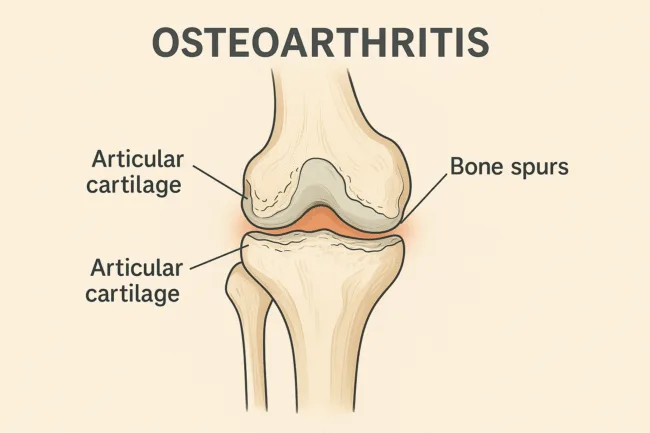
Seven candidates, including residents and fourth-year medical students from diverse academic institutions across the U.S. and Puerto Rico, have been chosen for the inaugural cohort. Their training itinerary includes visits to prestigious academic centers such as Resurgens Orthopaedics, Emory University, Mercy Medical Center, and MedStar Union Memorial Hospital. Additionally, they will attend the 2025 AOFAS Annual Meeting in Savannah, Georgia, providing further exposure to advancements in the field.
How Does This Program Support Future Orthopaedic Leaders?
The Foot and Ankle Arthritis Development Program offers more than just procedural knowledge. It embeds mentorship as a core value, ensuring each participant receives guidance from leading figures in foot and ankle orthopaedics. According to AOFAS Committee Chair Dr. Jonathon D. Backus, the program was developed with the intent of nurturing long-term interest in this specialty, which is vital for ensuring sustained innovation and patient care quality.
Dr. Michelle M. McLeod, Director of Osteoarthritis Clinical Research Programs at the Arthritis Foundation, echoed the sentiment, emphasizing the program’s broader social mission. She noted that investing in education and mentorship not only improves patient outcomes but also builds a more inclusive and representative community of specialists. Her statement pointed to the need for more diversity in orthopaedic surgery, a field historically challenged by gender and racial underrepresentation.
What Is the Historical Context Behind This Collaboration?
This training initiative builds on the momentum of the 2023 Ankle Arthritis Think Tank Research Grants, the first major partnership between AOFAS and the Arthritis Foundation. That earlier program allocated nearly $600,000 in grants to support groundbreaking research into the causes and treatments of ankle osteoarthritis.
While funding for scientific inquiry is essential, both organizations recognized that long-term impact also depends on building a workforce capable of translating research into clinical action. Thus, the new development program complements prior efforts by cultivating talent at the early stages of the medical career path.
The Arthritis Foundation has long advocated for systemic change through research funding, patient advocacy, and public education. By aligning with AOFAS, which brings procedural and surgical expertise to the table, the foundation is extending its reach into the operative dimensions of care—particularly relevant as arthritis-related surgeries continue to rise across the U.S. healthcare system.
What Role Do Foot and Ankle Surgeons Play in Arthritis Management?
Foot and ankle orthopaedic surgeons represent a unique segment of musculoskeletal specialists, focusing on surgical and non-surgical management of lower extremity conditions. Their formal training involves four years of medical school, five years of orthopaedic residency, and typically a fellowship year focused on foot and ankle surgery.
These professionals often manage complex cases involving degenerative arthritis, sports injuries, traumatic fractures, and congenital deformities. In the context of arthritis, they are at the forefront of joint preservation techniques, reconstructive procedures, and evolving therapies that aim to delay or avoid joint replacement.
Given the demographic trends of aging populations and increasing obesity rates—both major risk factors for arthritis—the demand for skilled foot and ankle surgeons is expected to rise. Yet, relatively few trainees opt for this subspecialty, which is precisely the challenge this new program seeks to address.
What Are the Broader Implications for Arthritis Care and Research?
The collaboration between AOFAS and the Arthritis Foundation not only enhances professional development opportunities but also underscores a broader commitment to transforming arthritis care through multidisciplinary engagement. As arthritis remains a leading cause of disability, cross-sector partnerships like this are pivotal in promoting early intervention, innovation in treatment methods, and comprehensive patient support.
By giving early-career doctors a structured pathway into this high-demand field, the program addresses systemic challenges within medical training and patient access. It represents a forward-thinking strategy that could influence similar efforts across other orthopaedic subspecialties.
Additionally, the inclusion of medical students alongside residents ensures that interest in the subspecialty is seeded early—long before most career decisions are finalized. This strategy aligns with research indicating that early exposure to subspecialties strongly predicts long-term career choices in medicine.
Where Does the Initiative Go From Here?
The success of this first cohort will likely shape future iterations of the program. If initial feedback and participant outcomes validate the model, both AOFAS and the Arthritis Foundation may expand the initiative, possibly adding more training centers or integrating telehealth-based mentorship.
There is also room for the integration of research components—enabling trainees to participate in ongoing clinical trials or contribute to data registries tracking arthritis outcomes in surgical and non-surgical contexts.
As orthopaedic care becomes more evidence-based and patient-centric, training pathways like this may become vital pillars of national arthritis strategies. The long-term vision appears to be a fusion of education, equity, and excellence—preparing the next generation of surgeons to meet the evolving demands of arthritis care in the U.S. and beyond.
Discover more from Business-News-Today.com
Subscribe to get the latest posts sent to your email.