Why is Russia’s oil sector facing growing risks from Ukrainian drone warfare in 2025?
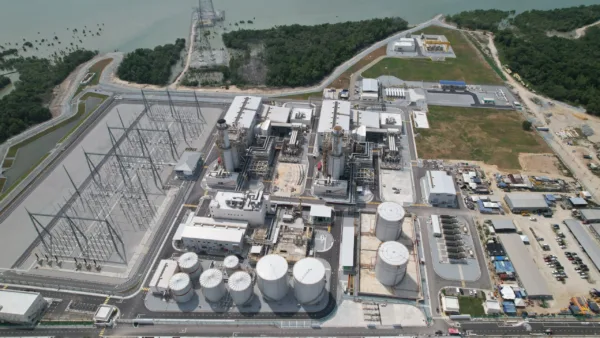
A Russian oil refinery operated by Bashneft, a subsidiary of state-controlled Rosneft Oil Company (MCX: ROSN), came under drone attack over the weekend in Bashkortostan. The strike triggered a fire and disrupted key support infrastructure, yet officials have claimed that core production activities were not affected. The development adds to a string of similar drone attacks on Russian energy facilities in recent months as Ukraine steps up long-range pressure tactics against Russia’s energy economy.
The incident occurred near the city of Ufa, home to one of Russia’s largest refining clusters, where Bashneft runs multiple facilities integral to Rosneft’s downstream capacity. While the fire was quickly extinguished and the technical water supply restored, the incident has renewed questions about the vulnerability of Russia’s aging energy infrastructure to asymmetric attacks.
With Ukraine increasingly targeting fuel logistics and refining nodes deep inside Russian territory, the apparent resilience of Bashneft’s operations offers a short-term signal of continuity. But as the strike follows a broader pattern of escalating cross-border sabotage, analysts suggest the long-term risks to infrastructure integrity and energy security are mounting.
What do we know about the Bashneft refinery drone strike and the immediate operational impact?
The attack, which occurred on Saturday, involved two unmanned aerial vehicles striking a section of the Bashneft complex. Local officials confirmed a resulting fire and temporary disruption to the facility’s technical water systems. Technical water, which is critical for cooling operations in refinery units, was reportedly restored soon after emergency responders contained the blaze.
The regional governor, Radiy Khabirov, issued a statement emphasizing that oil production and refining operations would continue uninterrupted. There were no casualties, and no official declaration of damage to key processing units. The specific target within the facility was not disclosed, but given Bashneft’s multiple refineries in Ufa with heavy integration, any damage—even to non-core units—could have knock-on effects on system efficiency.
While the Russian narrative is focused on containment and continuity, security experts and energy analysts remain cautious. Infrastructure resilience is often overstated in the immediate aftermath of sabotage events, especially when geopolitical signaling is involved. The Kremlin and regional leaders have a vested interest in projecting operational normalcy, even in the face of repeated disruptions.
How does this event compare to other recent refinery attacks, including the Kirishi fire?
The Bashneft strike is the latest in a surge of drone operations that have hit major oil refineries across Russia. Just 48 hours earlier, another drone attack targeted the Kirishi refinery in Leningrad Oblast. Kirishi, which processes up to 355,000 barrels of oil per day, accounts for over six percent of Russia’s total refining capacity. That attack, too, triggered a fire, which was extinguished quickly according to official accounts.
Together, these incidents suggest a widening pattern in Ukraine’s drone warfare strategy—one that deliberately targets the nodes of Russia’s energy system that have the greatest export, military logistics, or domestic supply relevance. Unlike pipeline sabotage or maritime incidents, refinery attacks are designed to introduce localized inefficiencies that compound over time.
Industry data shows that from January through August 2025, at least 14 Russian energy facilities have experienced drone-related damage or disruptions. This figure is more than double the total recorded in all of 2024. The frequency and depth of these attacks indicate a shift from symbolic strikes to a campaign of attritional infrastructure pressure, particularly on assets that are harder to defend and critical for downstream operations.
Why is Bashkortostan strategically important to Russia’s oil refining industry?
Bashkortostan, situated between the Volga River and the Ural Mountains, is a historical powerhouse of Soviet and Russian oil production. The Ufa refinery group—operated under Bashneft—houses three major complexes: Ufa Refinery, Novoil, and UfaNeftekhim. Combined, these facilities refine more than 20 million tons of crude annually, with product slates heavy in diesel, jet fuel, and gasoline.
The region’s refining throughput plays a crucial role in supplying central Russia and supporting exports via pipeline and rail. Its geographic location allows it to feed into both domestic distribution networks and international shipment corridors, making it an attractive high-leverage target in a hybrid warfare context.
Rosneft’s Bashneft operations alone contribute approximately 6.5 percent of Russia’s national refining output. While redundancy exists across Rosneft’s broader portfolio, any sustained impact on Bashneft’s infrastructure would have direct implications for regional fuel availability and logistics timelines.
How are markets interpreting the growing risks to Russian refining capacity?
Markets responded with moderate caution. Brent crude futures nudged slightly higher in early Monday trading, and a modest risk premium has begun forming around refined product shipments originating from Russia’s western regions. Though Rosneft shares (MCX: ROSN) were flat on the Moscow Exchange, largely due to state ownership and the limited role of foreign institutional investors, sentiment indicators show that traders are increasingly baking geopolitical sabotage risks into pricing models.
While Moscow-based brokers reported no significant change in daily buy/sell flows for Rosneft, oil desk analysts in Singapore and London flagged a small rise in inquiries about cargo insurance exposure for shipments linked to recently targeted refineries. This mirrors what occurred earlier in 2023 when drone strikes near Novokuibyshevsk caused temporary underinsurance of Russian gasoline exports to Asia.
The global buyer base for Russian oil, largely composed of Indian, Chinese, and Turkish refiners operating outside G7 sanctions frameworks, may also begin to face higher freight and insurance costs if attacks persist. Even if the physical supply remains stable, transactional friction could create delivery delays and financial uncertainty.
Are there early signs of long-term structural impact to Russia’s oil export system?
Although officials continue to insist that refining and export volumes remain stable, drone attacks have the potential to slowly undermine operational reliability, especially when they target auxiliary systems like technical water, flare stacks, or electrical sub-grids. Unlike headline-grabbing damage to crude units, these indirect hits accumulate wear-and-tear, increase maintenance frequency, and raise the likelihood of unscheduled shutdowns.
Global energy analysts tracking Russian output trends have observed small but consistent delays in diesel and vacuum gas oil shipments out of western Russian ports in recent weeks. These delays are not large enough to affect monthly export totals, but they reflect rising logistical strain, particularly on rail-fed facilities where repair cycles are harder to disguise.
If Ukrainian drones begin targeting loading terminals or pipelines near critical ports such as Primorsk or Novorossiysk, it could shift the calculus entirely. As of now, the attacks appear calibrated to avoid mass casualties or global oil shocks, but continued strikes on inland refining hubs may lay the groundwork for a much broader supply squeeze.
What should energy investors and geopolitical observers watch for next?
Key indicators to monitor include satellite-based flare activity at targeted facilities, third-party vessel tracking of refined product exports, and underwriter activity related to insuring Russian-origin cargos. In addition, watch for changes in fuel export volumes from Rosneft-affiliated terminals and maintenance notices filed with domestic regulators.
If Russian officials begin declaring more frequent “planned” maintenance at facilities like Bashneft’s Ufa refinery or the Kirishi complex, it may serve as an indirect admission of internal disruption. Historically, unplanned fires or sabotage are often reclassified as planned downtimes to avoid investor panic or geopolitical escalation.
Longer term, the refining sector’s resilience depends not just on infrastructure redundancy but also on spare parts availability, local repair capacity, and the durability of legacy Soviet-era systems. With Western equipment suppliers sanctioned and spare parts increasingly routed through intermediaries, the ability to sustain high uptime levels could be compromised over time.
Why this matters now more than ever
The drone strike on Bashneft’s Ufa facility may not have shut down production this time—but it reinforces a key strategic shift in the Ukraine–Russia conflict. By targeting critical energy infrastructure far behind enemy lines, Ukraine is not just making a military statement—it is applying targeted economic pressure to a sector that underwrites a significant portion of Russia’s war financing.
While Russian authorities project strength through continuity, each attack reduces the margin for error. Operational resilience is no longer just about immediate recovery; it’s about cumulative wear, supply chain strain, and how long the facade of normalcy can be maintained.
Discover more from Business-News-Today.com
Subscribe to get the latest posts sent to your email.